What to Consider When Buying an LED Display: Viewing Distance and Resolution
Learn how to correctly calculate the relationship between pixel pitch and viewing distance when choosing the most suitable LED display for your projects.
The Most Critical Factor in Choosing an LED Display: Pixel Pitch
LED display technologies are at the heart of visual communication in every setting, from store windows to huge stadiums. Yet many organizations choose the wrong pixel pitch, one of the most important metrics, when investing in an LED display, and end up wasting budget or settling for poor image quality.
Pixel pitch is the distance between the centers of two LED pixels, expressed in millimeters. For example, on a P2.5 display the distance between pixels is 2.5 millimeters. The shorter this distance, the higher the resolution of the display. But using the smallest pixel pitch (the highest resolution) is not always the right choice for every project. Why?
Viewing Distance and Image Continuity
When you look at an LED display from very close, you can see the individual pixels (the little squares). Beyond a certain distance, however, the human eye merges these pixels and perceives a smooth, sharp picture like a photograph. This distance is called the optimum viewing distance.
- Minimum viewing distance: The first point at which the pixels stop being seen as separate. It is generally the same as the pixel pitch value (3 meters for a P3 display).
- Optimum (ideal) viewing distance: The distance at which the image is seen with flawless sharpness and without eye strain. It is roughly 2.5 to 3 times the pixel pitch value (7.5 to 9 meters for a P3 display).
Get Results in Seconds with the Koz Teknoloji LED Display Calculator
Drawing on our long-standing engineering experience in corporate AV solutions, we have developed a dedicated tool so that our customers and industry professionals can plan their display investments accurately.
By entering the physical dimensions of your display (width and height) and your target pixel pitch, you can learn the total resolution, physical display area, optimum viewing distance and estimated power consumption (kW) in seconds.
To calculate the right values for your project right now, you can visit our free Koz Teknoloji LED Display Calculator.
Indoor and Outdoor Dynamics
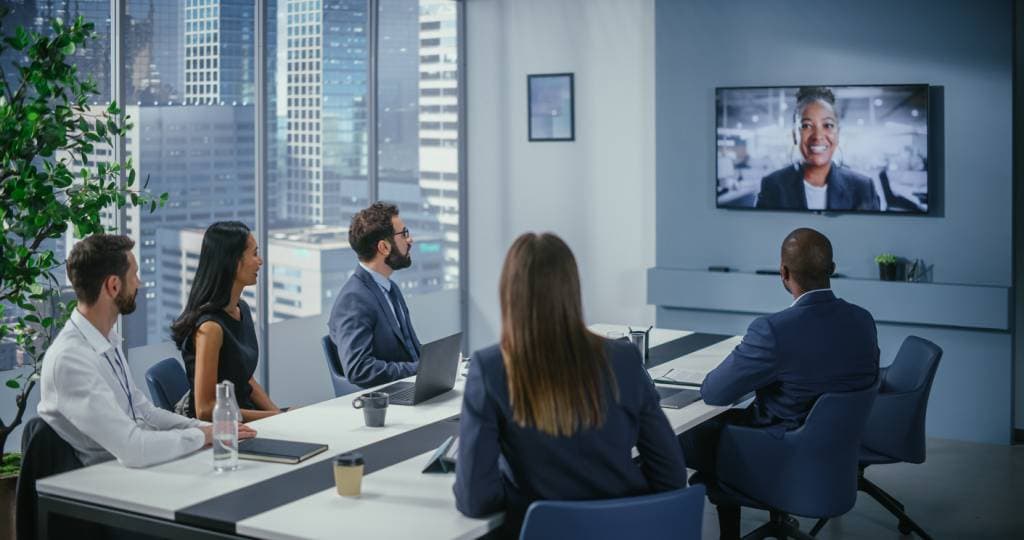
Beyond viewing distance, the lighting conditions of the place where the display will be used also play a large role. Indoors (for example in meeting rooms or stores inside shopping centers), the need for brightness is relatively lower, while the need for resolution is much higher. In these areas, solutions between P1.25 and P2.5 (fine pitch) are generally preferred.
In outdoor projects, large facade displays are positioned many meters away from viewers, so values such as P4, P6 and even P10 for stadiums give excellent results. At this point, it is a much more strategic investment to put the budget into high brightness (nits) and resistance to weather conditions (IP65/IP68 ratings) rather than into a small pixel pitch.
At Koz Teknoloji, we provide turnkey solutions for your digital signage, video wall and professional LED display projects. To choose the right product and get engineering support, you can contact our expert team.