LED Display Selection Guide: P2, P3, P4 Pixel Pitch Comparison
LED Display Selection Guide: A comprehensive guide to comparing P2, P3, and P4 pixel pitches.
Investing in LED Screens: Making the Right Choice Is a Long-Term Investment
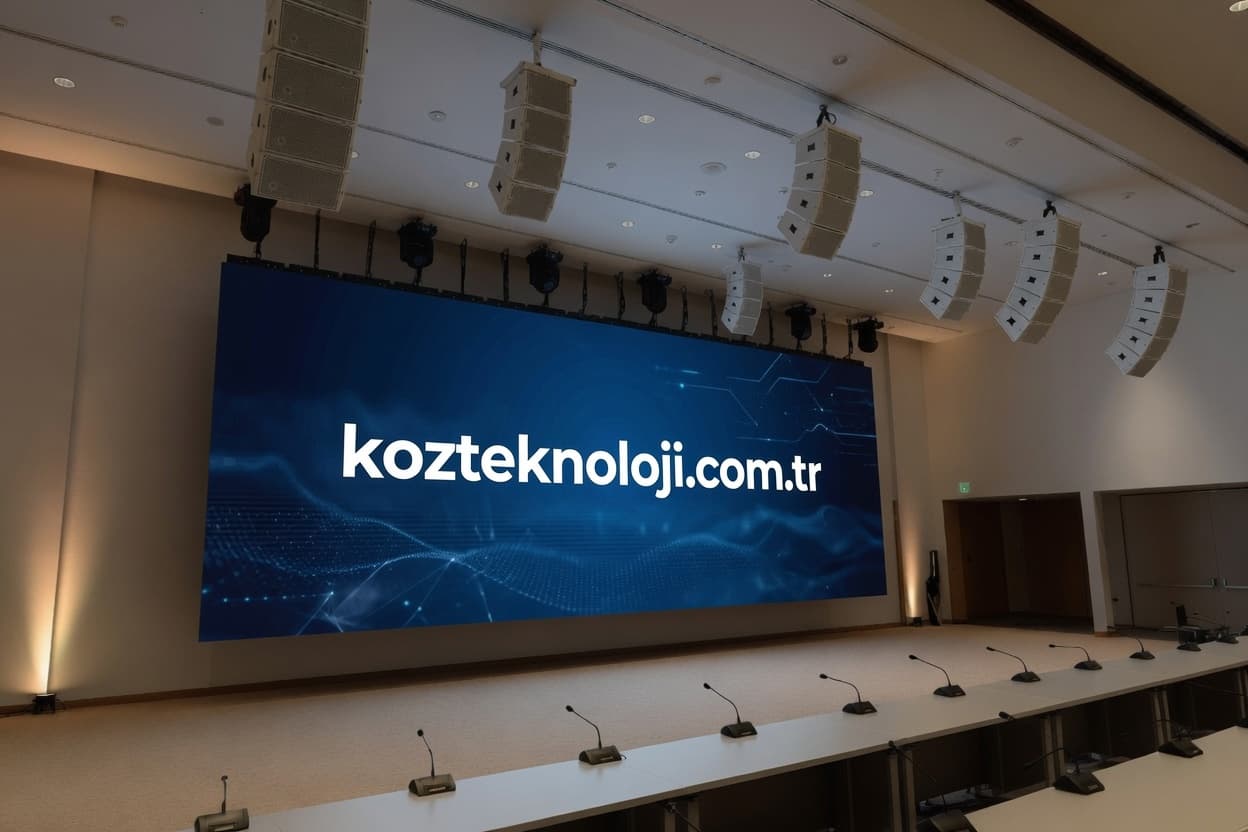
LED display technologies are among the most impactful tools in visual communication. When planned correctly, an investment in an LED display is a valuable asset that will provide uninterrupted service for 10 to 15 years. However, making the right choice among dozens of brands, hundreds of models, and various technical specifications is no easy task. At Koz Teknoloji, we conduct a comprehensive evaluation process to provide our customers with the most suitable LED display solution.
In this article, we’ll cover in detail all the critical factors you need to consider when selecting an LED display—from pixel pitch comparisons to brightness, protection rating, energy consumption, and installation requirements. Making the right choice will ensure you get the maximum return on your investment.
What Is Pixel Pitch and Why Is It So Important?
Pixel pitch refers to the distance between two pixels on an LED display, measured in millimeters. It is denoted by values such as P2, P3, P4, P6, and P10. As this value decreases, pixel density increases and image quality improves. However, as pixel pitch decreases, so does the cost. Therefore, selecting the right pixel pitch is one of the most critical trade-offs between budget and image quality. Establishing the correct relationship between viewing distance and pixel pitch helps you avoid unnecessary costs.
As a practical rule of thumb, multiplying the pixel pitch value by 1,000 gives the ideal minimum viewing distance. In other words, a P4 screen requires a minimum viewing distance of at least 4 meters, while a P2 screen requires at least 2 meters. You can use this calculation as follows: measure the distance of the viewer closest to your screen, divide that distance by 1,000, and select the pixel pitch value closest to the resulting number.
P2, P3, P4 Pixel Pitch Comparison
Let’s compare the most commonly used pixel pitch values: P2, P3, and P4:
| Pixel Pitch | Pixel Pitch | Min. Viewing Distance | Typical Application | Relative Cost |
|---|---|---|---|---|
| P2 | 2 mm | 2 meters and above | Corporate lobbies, showrooms, brand stores | High |
| P3 | 3 mm | 3 meters and above | Conference halls, meeting rooms, retail stores | Medium (more economical than P2) |
| P4 | 4 mm | 4 meters and above | Mall common areas, gyms, large event spaces | Low |
P2 is an ideal choice for close-range indoor applications where the highest image quality is required, as it offers the highest resolution. P3 is one of the most popular pixel pitch options because it provides sufficient image quality at a more economical price. P4, on the other hand, offers an advantage for covering large surfaces due to its lower cost.
Brightness Levels and Environmental Conditions
When selecting an LED screen, brightness is just as important as pixel pitch. In outdoor applications exposed to direct sunlight, low brightness completely eliminates readability. The recommended brightness and IP protection class values for indoor and outdoor use are as follows:
| Environment | Brightness | IP Protection Rating |
|---|---|---|
| Indoor | 800–1,500 nits | IP20 or IP30 |
| Outdoor | 5,000–7,000 nits | At least IP65 (IP66 or IP67 under harsh conditions) |
Advanced LED displays automatically adjust brightness using ambient light sensors, saving energy while optimizing viewing comfort at night. This feature makes a significant difference, especially for outdoor displays operating 24/7.
IP Protection Rating and Environmental Durability
IP65 indicates full protection against dust and resistance to low-pressure water splashes. UV-resistant coatings prevent color fading caused by sunlight and extend the display’s lifespan.
Energy Consumption and Operating Costs
Modern LED screens offer energy savings of up to 40 percent compared to traditional technologies. One square meter of an outdoor LED screen consumes an average of 150–300 watts per hour. Industrial-grade LED modules, meanwhile, offer a service life of up to 100,000 hours. This translates to approximately 22 years of use based on 12 hours of operation per day. Low maintenance requirements and a long lifespan make LED screens an extremely economical investment in the long term.
Choosing the Right LED Screen with Koz Teknoloji
At Koz Teknoloji, we professionally manage the entire process of your LED display projects—from feasibility studies to system design, structural installation, and calibration. We customize every project according to the environment’s lighting conditions, viewing distance, and intended use. Through our free site survey and analysis service, we determine the most suitable LED display solution for you and carry out turnkey installation with our team of experts.