Use of Video Walls in Conference Rooms and Event Spaces
We are examining how fixed video wall installations in conference rooms, auditoriums, and corporate event spaces contribute to presentations and stage use.
The Reason for the Shift from Projectors to Video Walls
Projectors have been used in corporate conference rooms and auditoriums for many years, but the transition to video walls in permanent installations makes a noticeable difference: high brightness unaffected by ambient light, more vibrant colors, and the elimination of maintenance tasks such as lamp replacement. In this article, we discuss the planning process for video wall systems permanently installed in conference rooms or event spaces.
Backstage and Main Screen Sizing
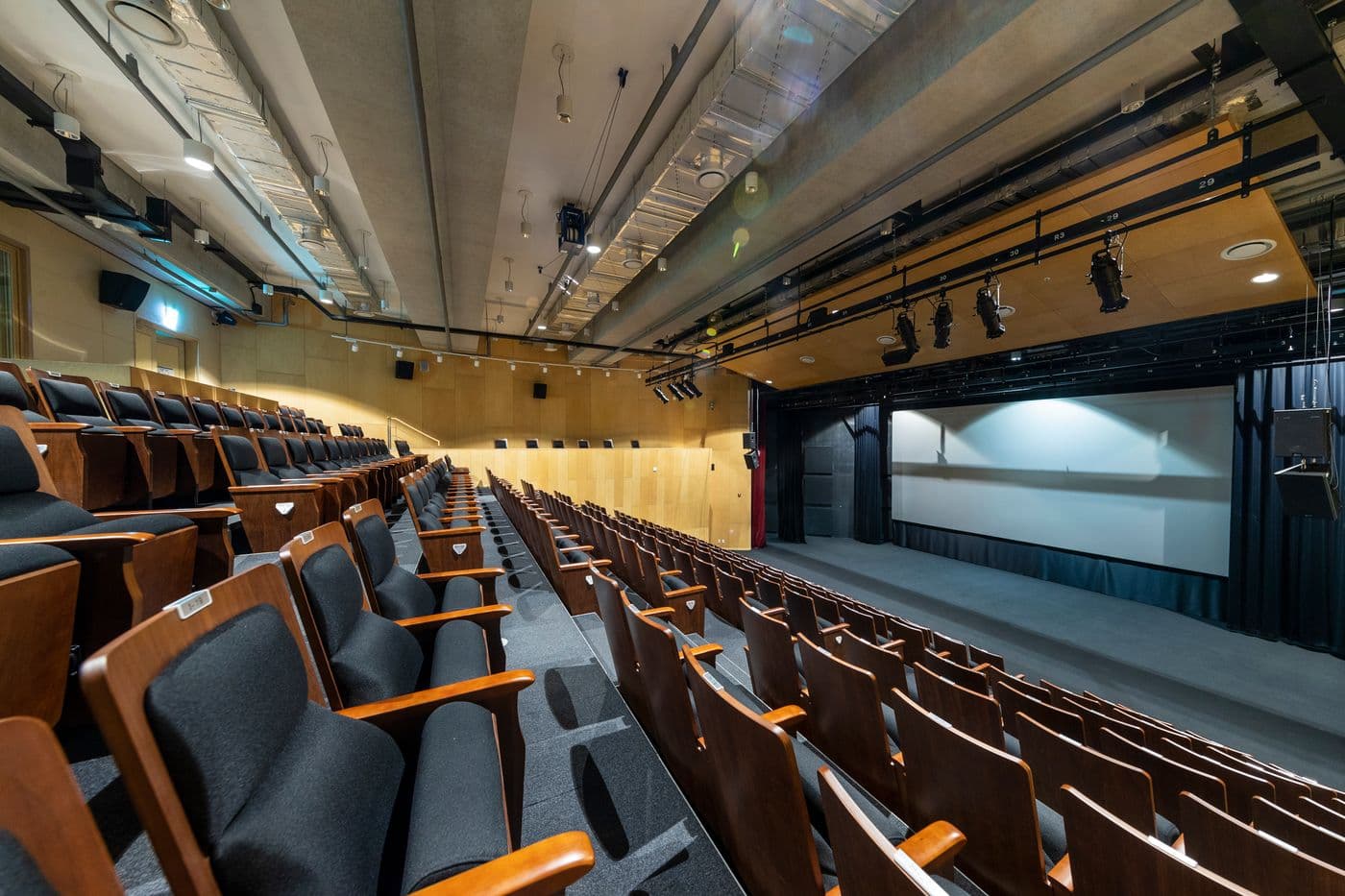
The size of the video wall to be installed behind the stage is calculated based on readability from the very back row of the hall. A screen size that is sufficient for a small meeting room becomes unreadable from the back rows in a hall seating hundreds of people. The auditorium’s width-to-height ratio and stage height also determine the most suitable screen aspect ratio (16:9, ultra-wide, etc.).
Pixel Pitch and Viewing Distance
In conference halls, the viewer distance generally ranges from a few meters to the very back of the hall. To ensure that the audience members in the front rows do not see a distracting pixel pattern, the pixel pitch must be selected based on the closest seating row in the hall; selecting a fine pixel pitch without this calculation can result in unnecessary costs, while a coarse pixel pitch can lead to a loss of quality in the front rows. We’ve explained the relationship between pixel pitch values and viewing distance with examples in our LED screen selection guide.
Lighting and Color Management in Fixed Installations
In event venues, stage lighting and the video wall’s color output must work in harmony. If stage lights are too bright, the screen’s true colors may be lost; for this reason, projects are typically planned in collaboration with a lighting designer to ensure the screen remains readable within a specific brightness range under both dark and well-lit stage scenarios.
Presentation, Video, and Live Broadcast Integration
In a modern conference room, the screen does more than just display slides; it can simultaneously show live camera feeds, video content, and sometimes multiple sources at once (speaker’s image + presentation screen). Planning the signal management infrastructure to support these scenarios during the installation phase helps prevent technical glitches that might occur on the day of the event.
Maintenance and Long-Term Use
In frequently used permanent venues such as conference halls or auditoriums, maintenance access to the video wall (rear or front service) must be planned from the outset. In a system mounted behind the stage, having to take the stage out of service for days to replace modules can be a significant cost factor for the business.
Video Wall Planning for Your Hall
There’s one key measurement that simplifies the process in auditorium projects: the distance from the front and back rows of seating to the screen. These two figures, combined with the pixel pitch, determine the screen size. If you share your auditorium’s dimensions and event format, we can work together to determine the appropriate setup. Explore our video wall solutions or tell us about your venue.