Skip to Main Content
Conference Hall Sound Systems

Conference Hall Sound Systems

Sound systems for conference halls, meeting rooms and auditoriums: lectern and chairman-delegate microphones, ceiling array microphones, speech-focused loudspeaker placement, audio processing and recording/broadcast integration.

Speech-focused sound

What Determines Sound in a Conference Hall?

A conference hall is not a concert hall: the goal is not high volume but every word being clear from every seat. The design is shaped by the answers to four questions.
Speech intelligibilityThe speaker’s voice must reach every point in the hall with the same clarity. Loudspeaker type, position and audio processor settings are chosen accordingly.
Feedback controlIf the relationship between the lectern microphone and the loudspeakers is not set up correctly, feedback is unavoidable. Placement and tuning prevent it from the start.
Even coverageSound that is uncomfortable in the front rows and inaudible in the back is not acceptable. In long halls, delayed supplementary loudspeaker lines are used.
Recording and broadcastFor recording meetings, live streaming or passing audio to a video conference, the sound system is designed to provide a clean output.
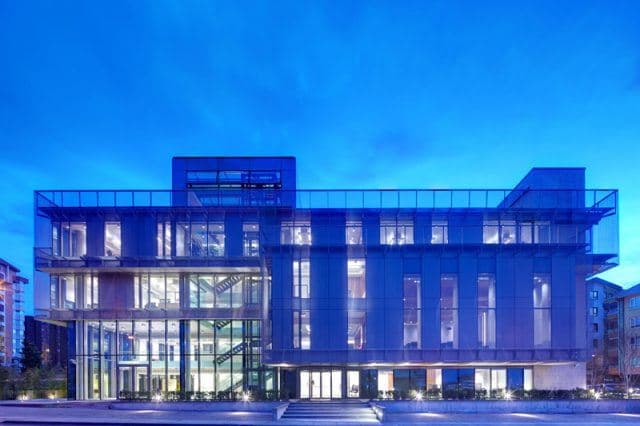
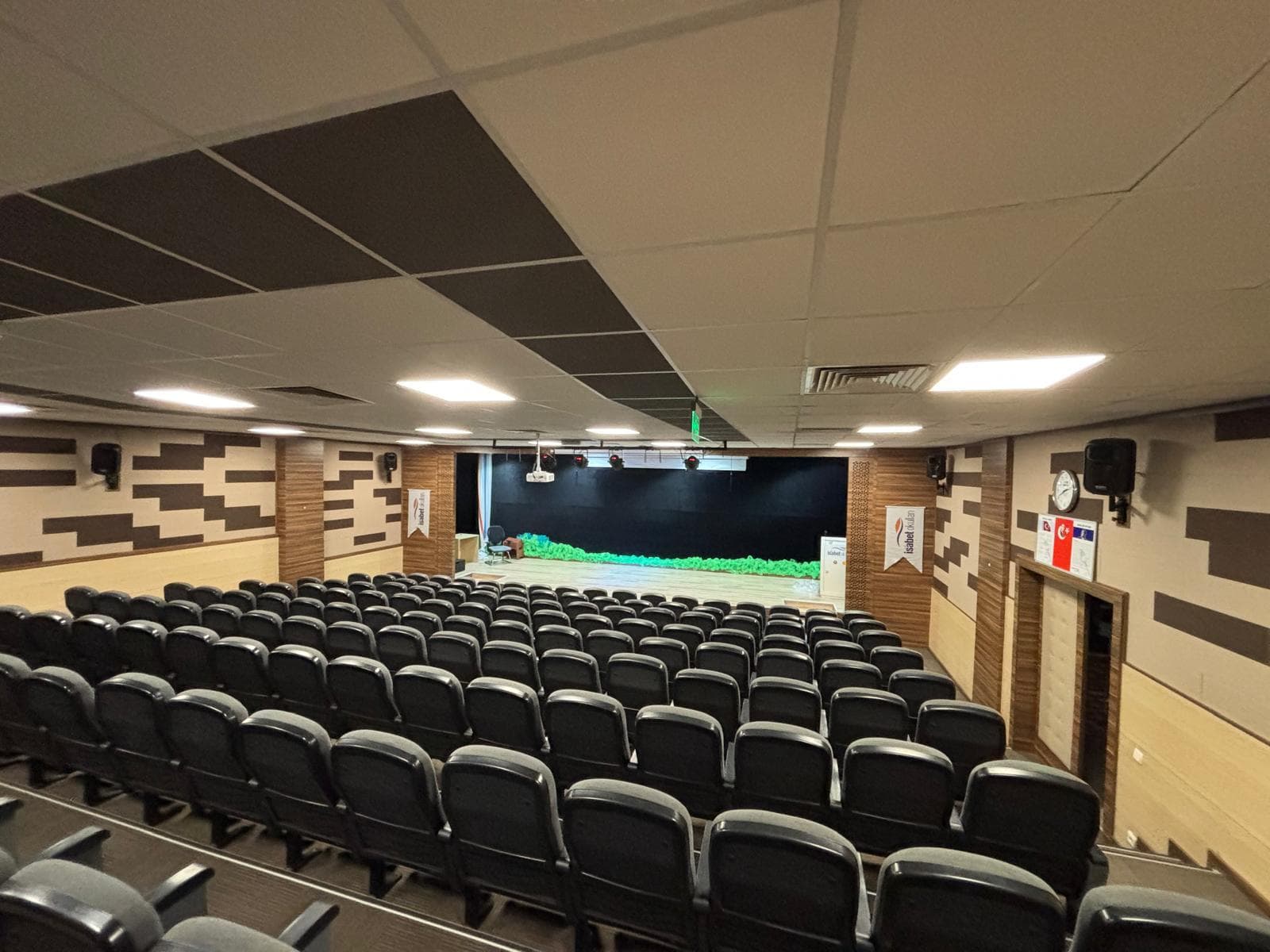
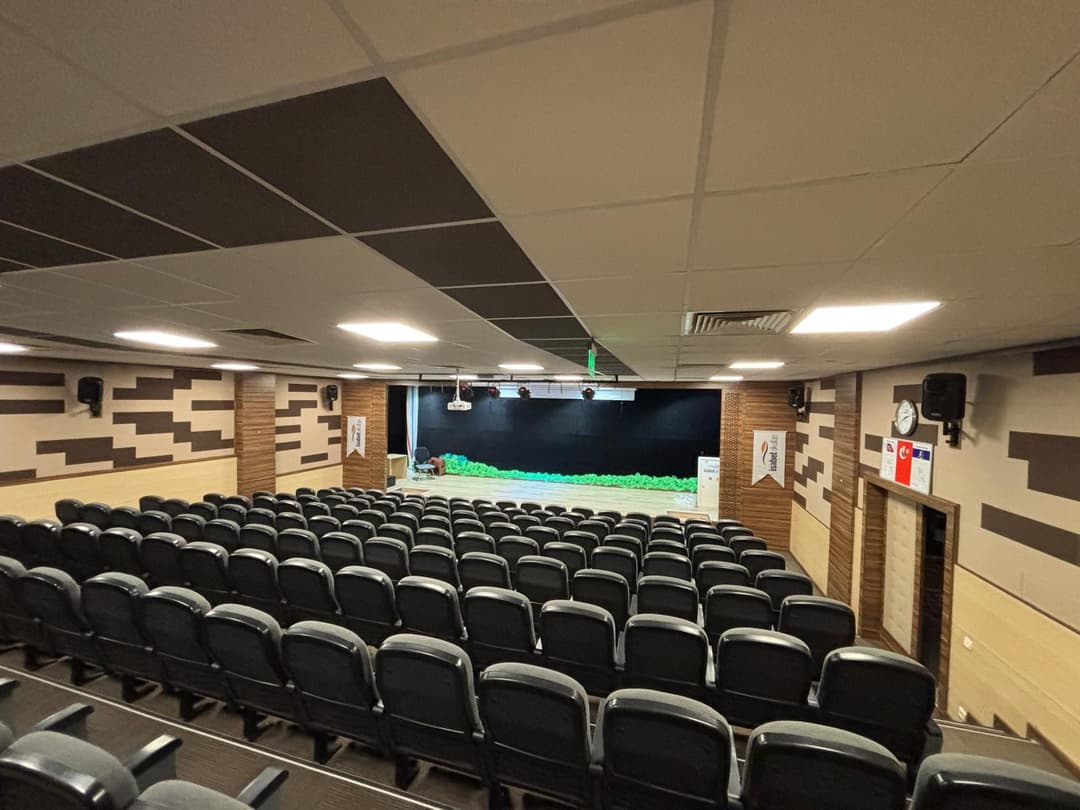
Conference hall sound system at İsabet Schools
By hall size

From Meeting Room to Auditorium

The size of the hall and the way it is used directly change the microphone and loudspeaker setup.

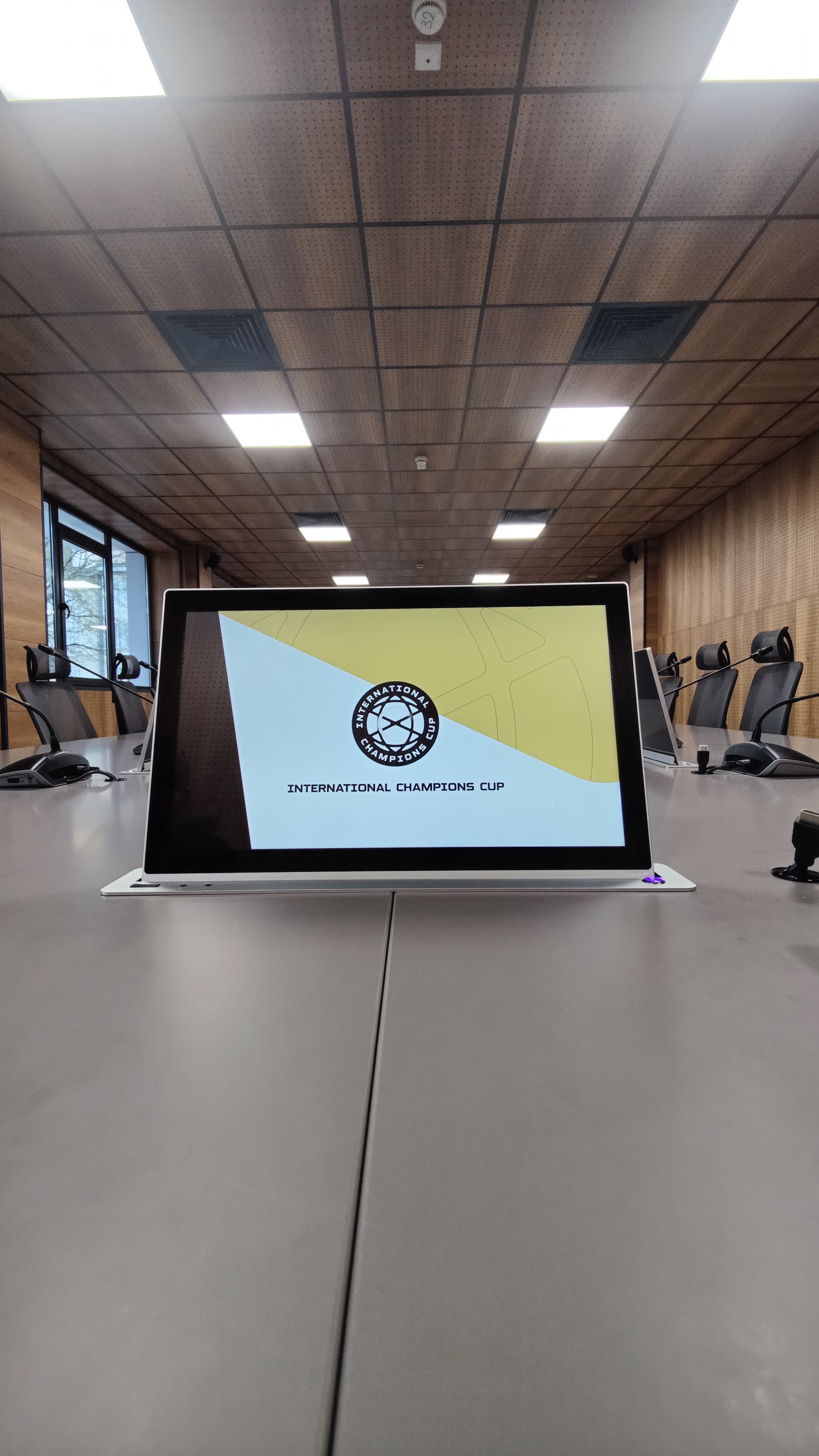
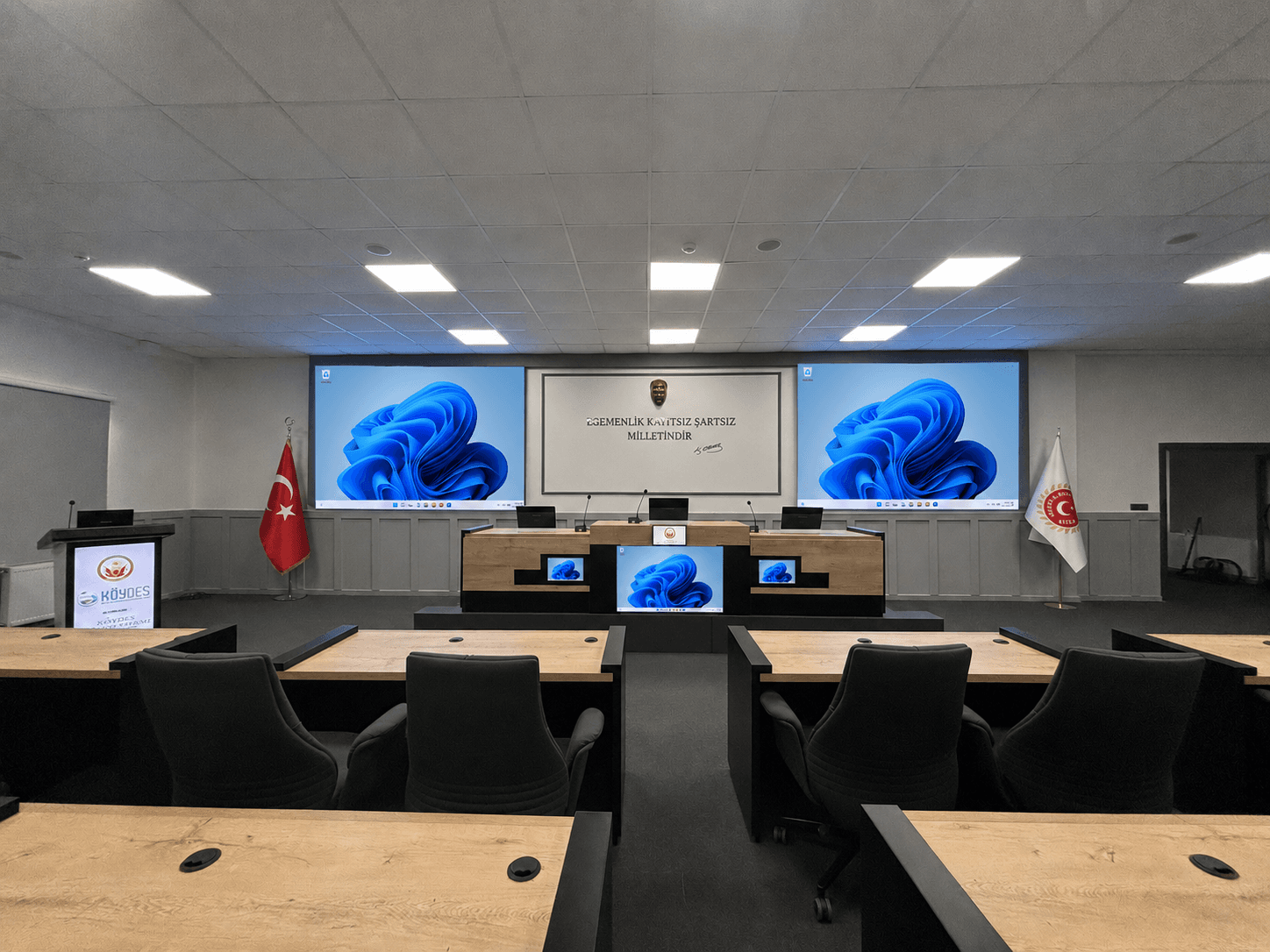
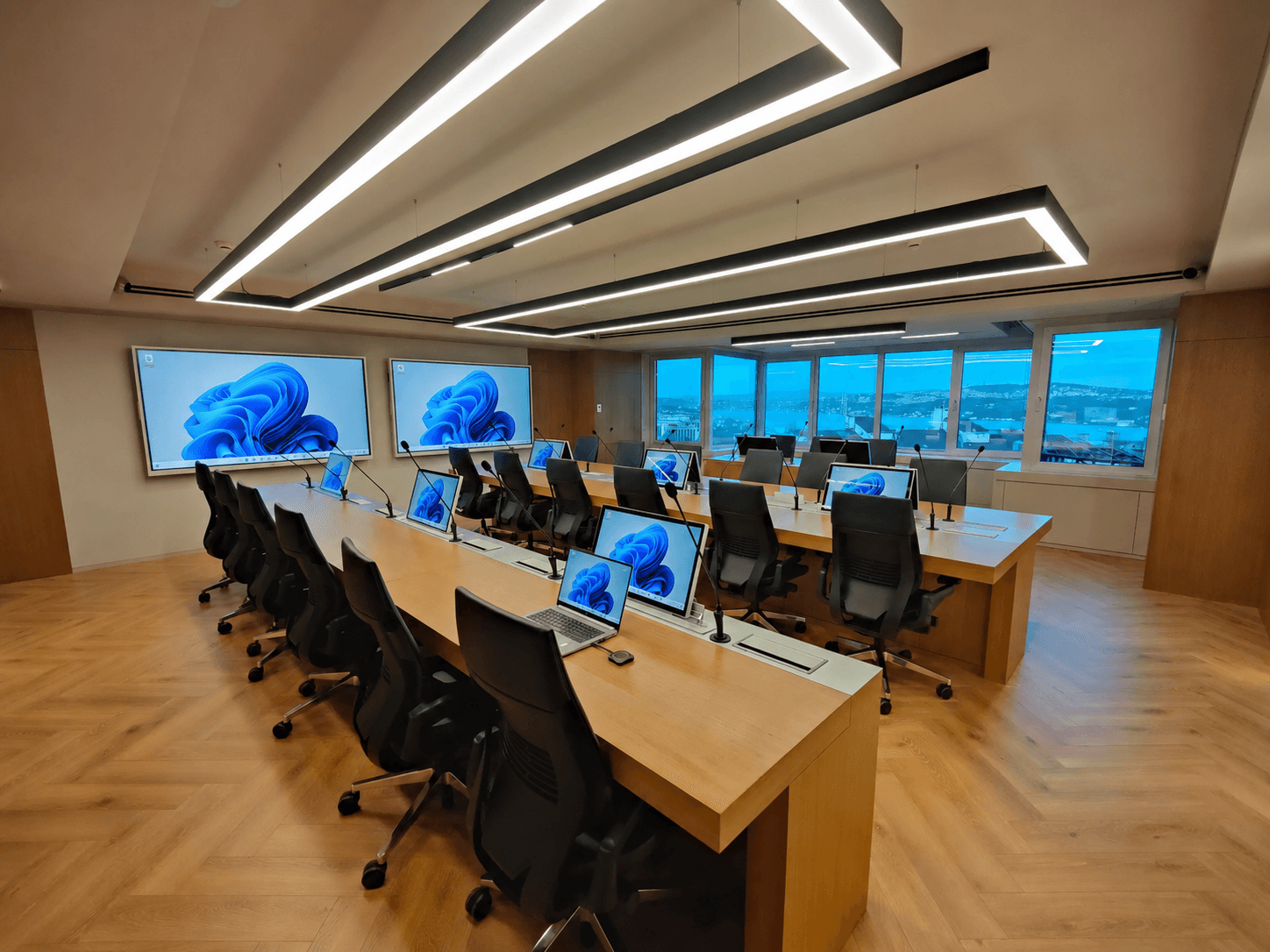
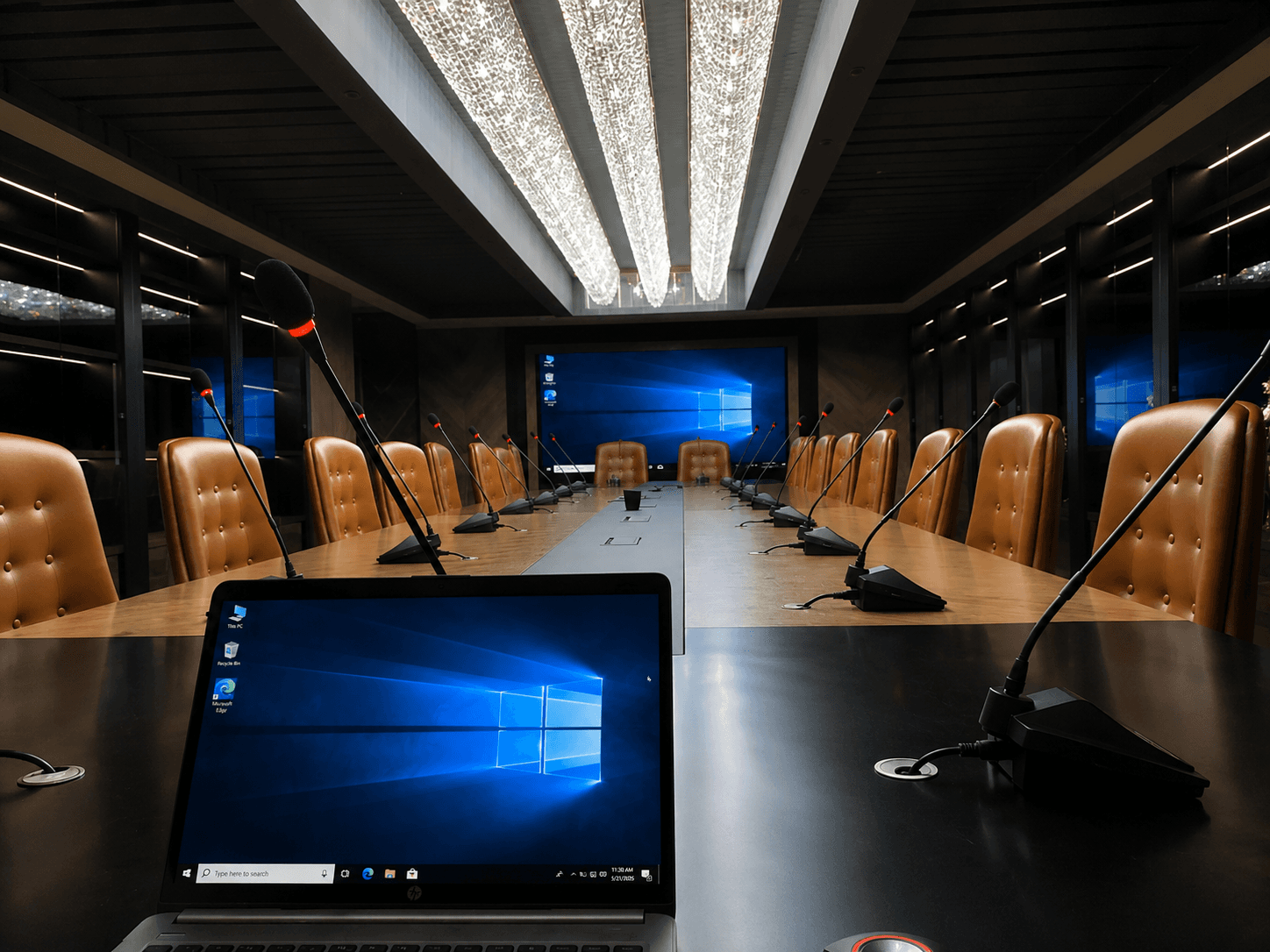
Meeting and council hallsA chairman-delegate microphone unit for each participant, or ceiling array microphones that leave the table clear; speaking-order management and a recording output.
Conference halls and auditoriumsLectern microphone, wireless handheld and lapel microphones, main and delayed loudspeaker lines according to the depth of the hall.
Multipurpose hallsQuick switching between conference, ceremony and event modes; separate sound control for each section in divisible halls.
Components

The Parts of the System

A conference hall sound system consists of components tuned to one another; a wrong choice in one lowers the performance of the others.

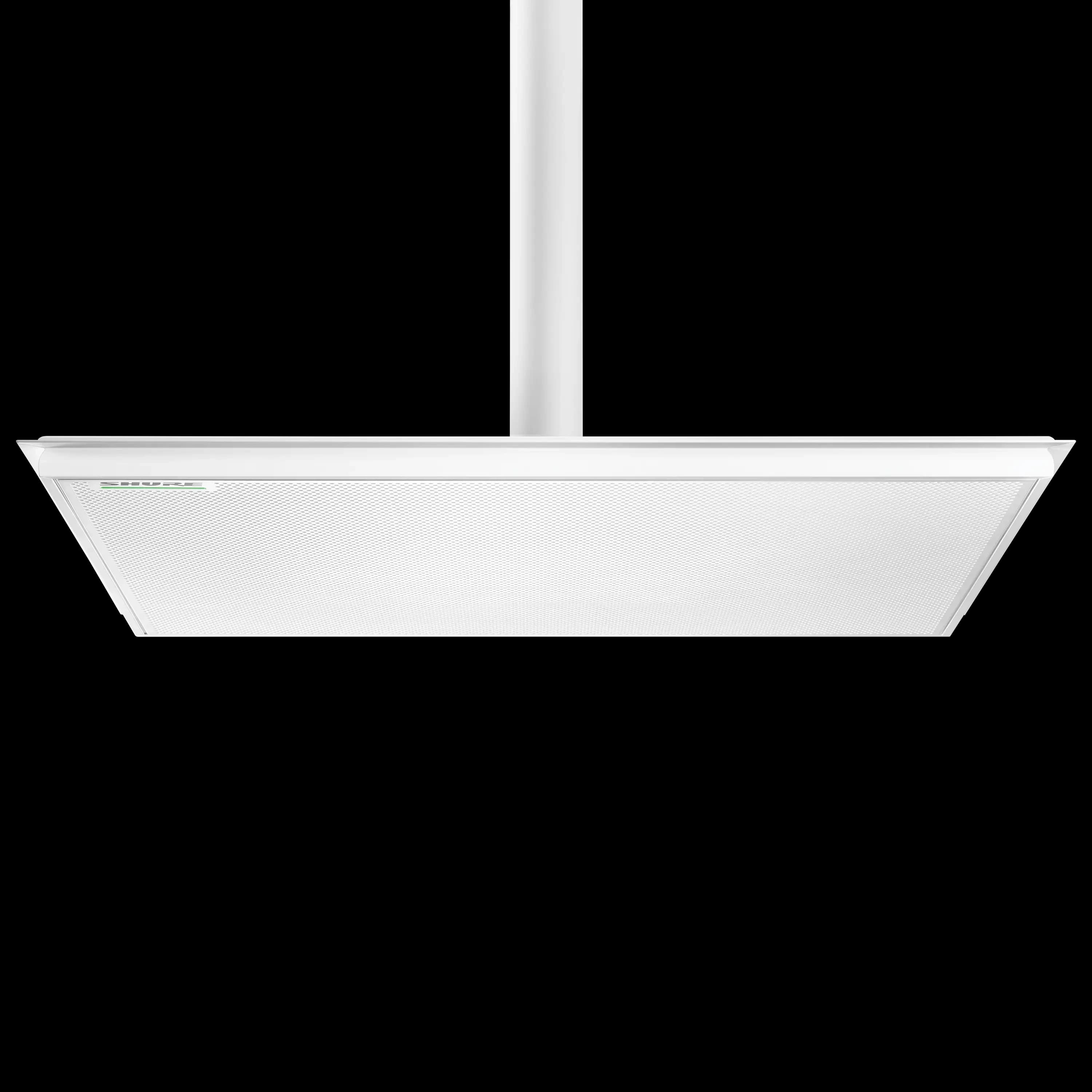
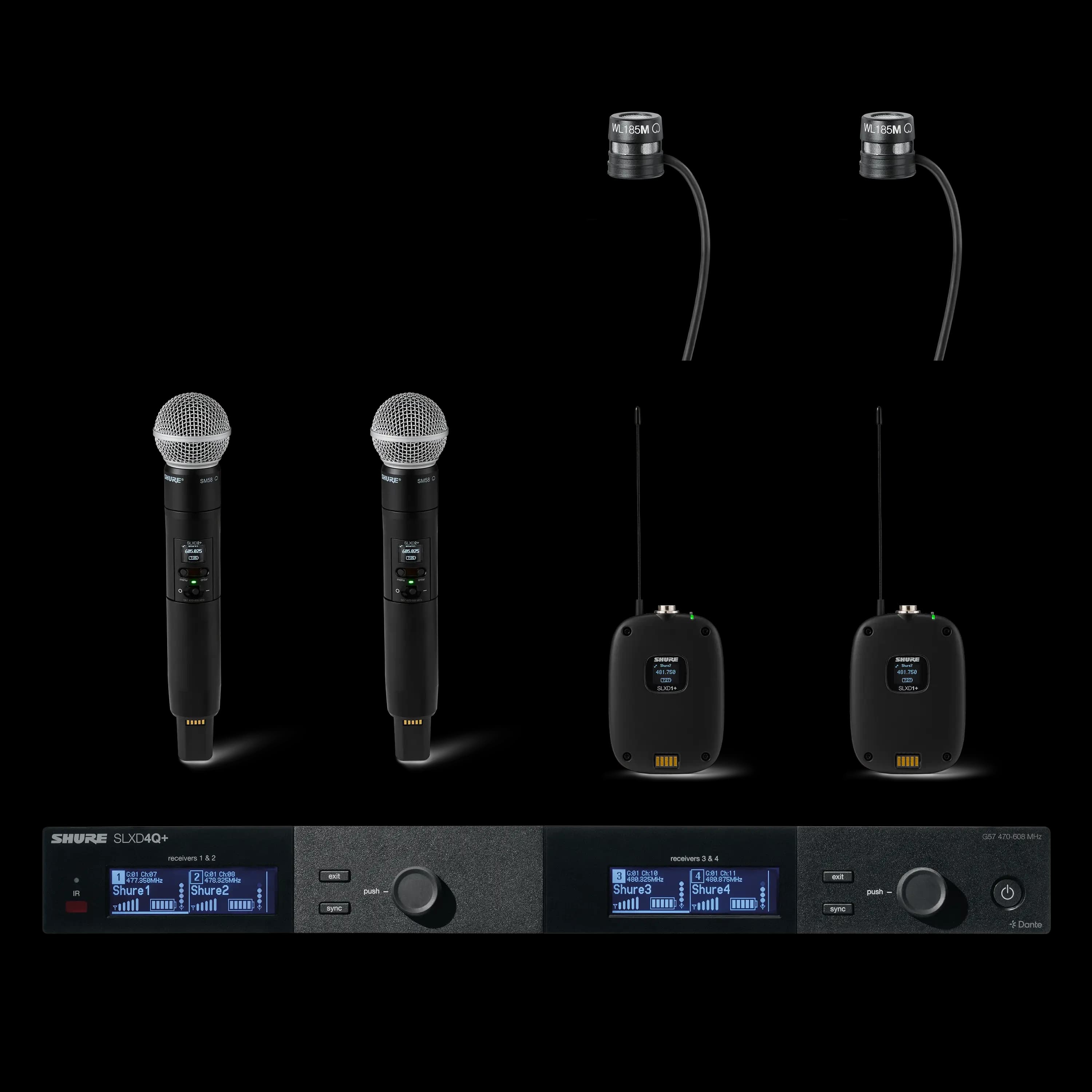
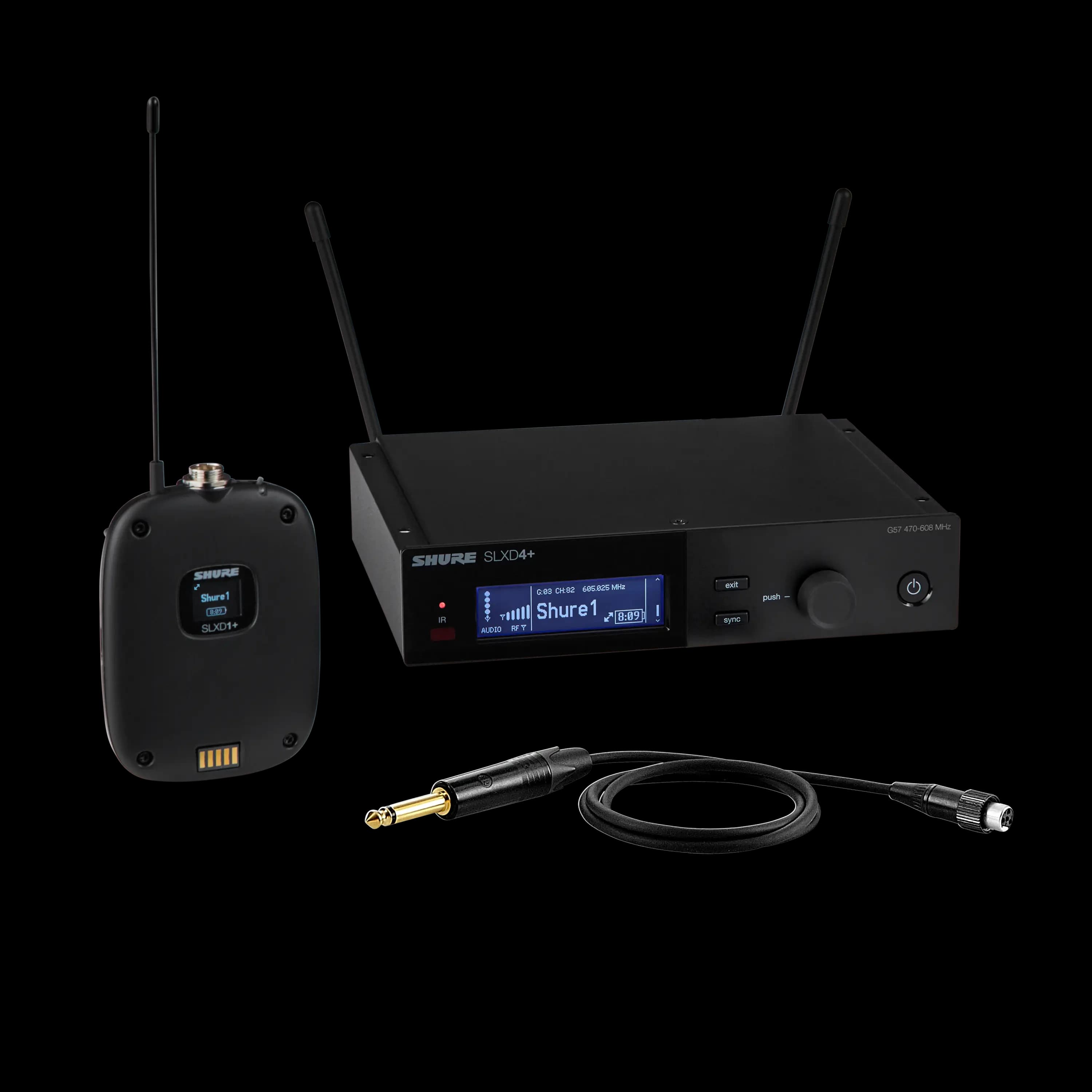
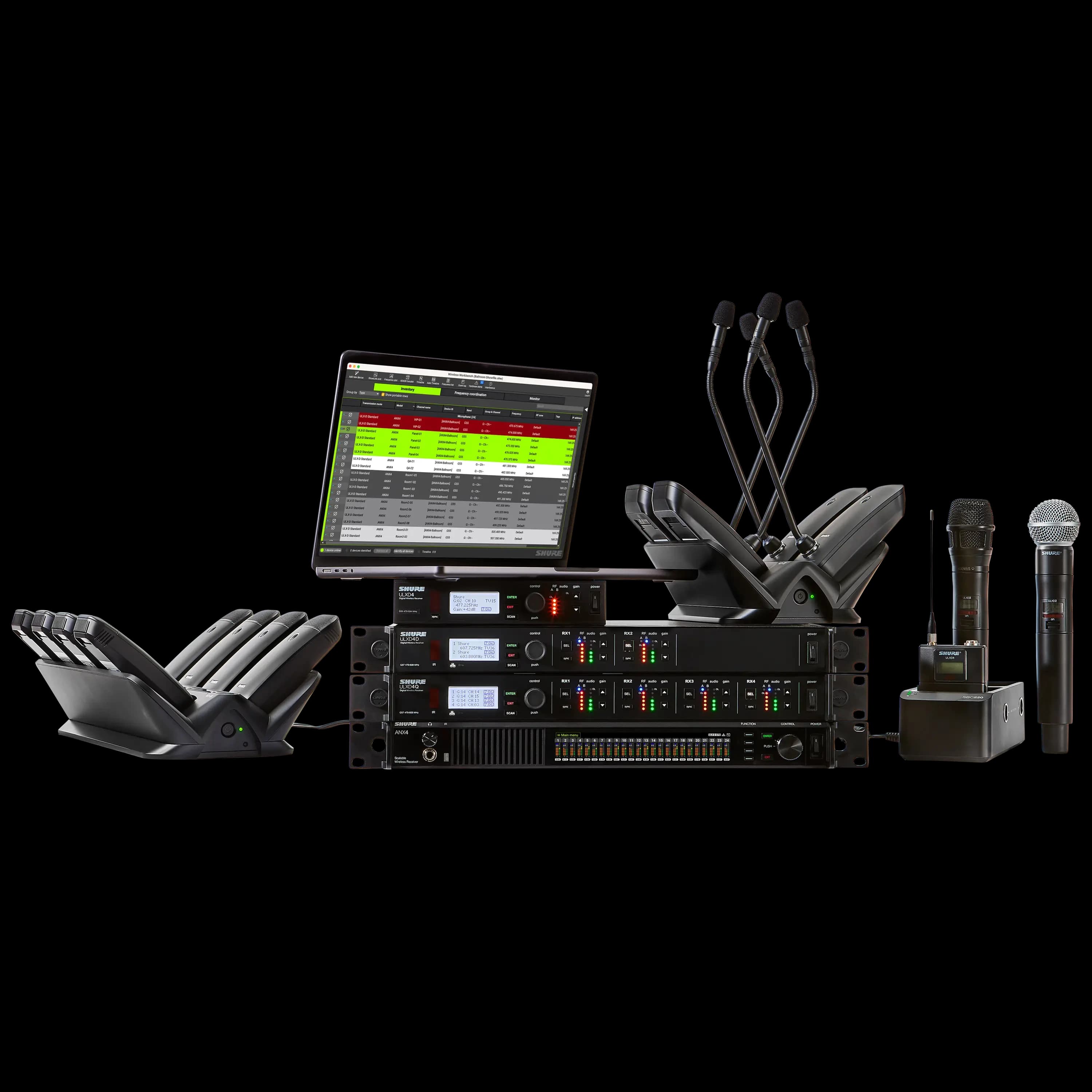
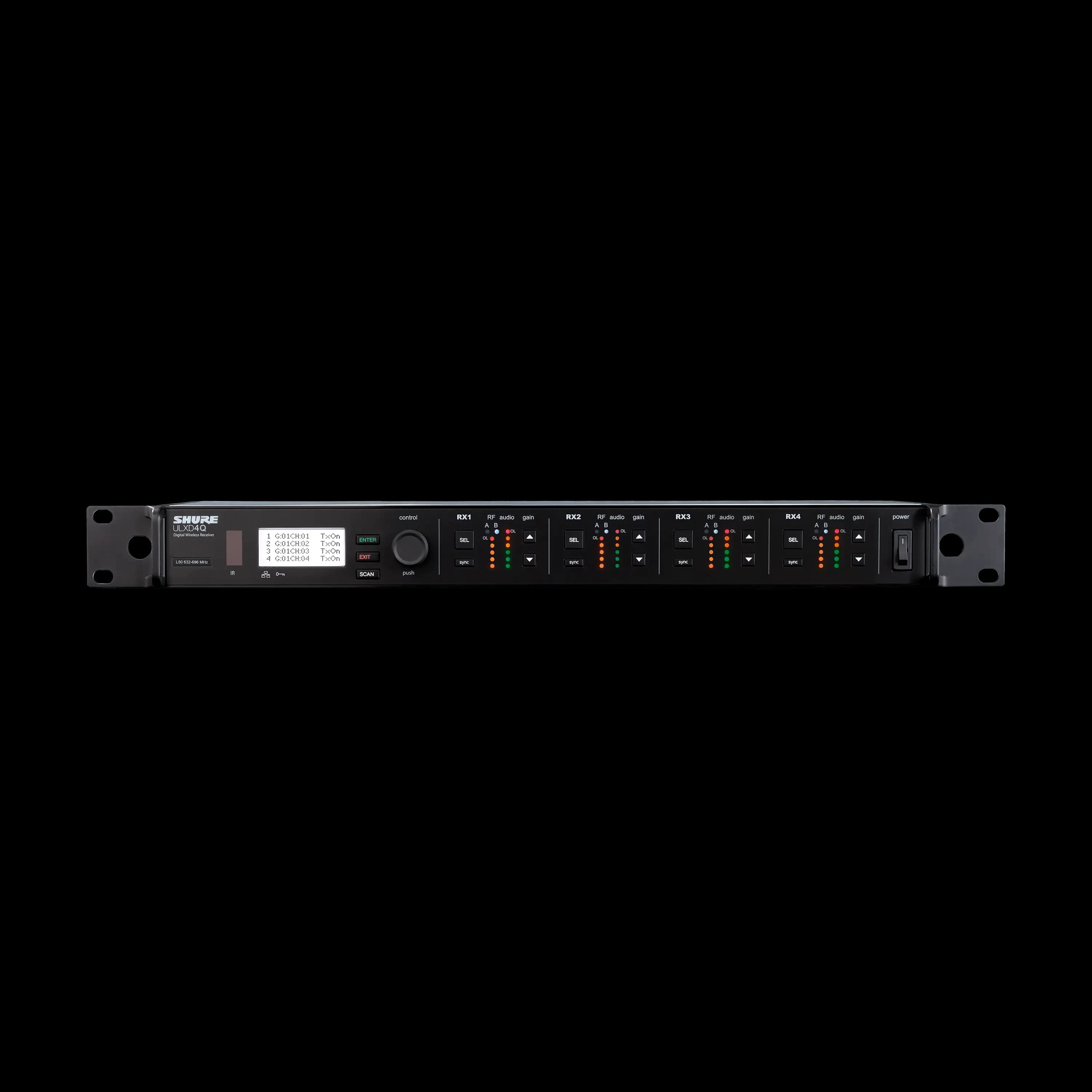
MicrophonesGooseneck lectern microphone (on a conventional or digital lectern), chairman-delegate units, wireless handheld and lapel microphones, or ceiling array microphones such as the Shure MXA920.
Audio processor (DSP)Automatic mixing, equalization, feedback suppression and echo cancellation; in video conferences the far end hears clearly.
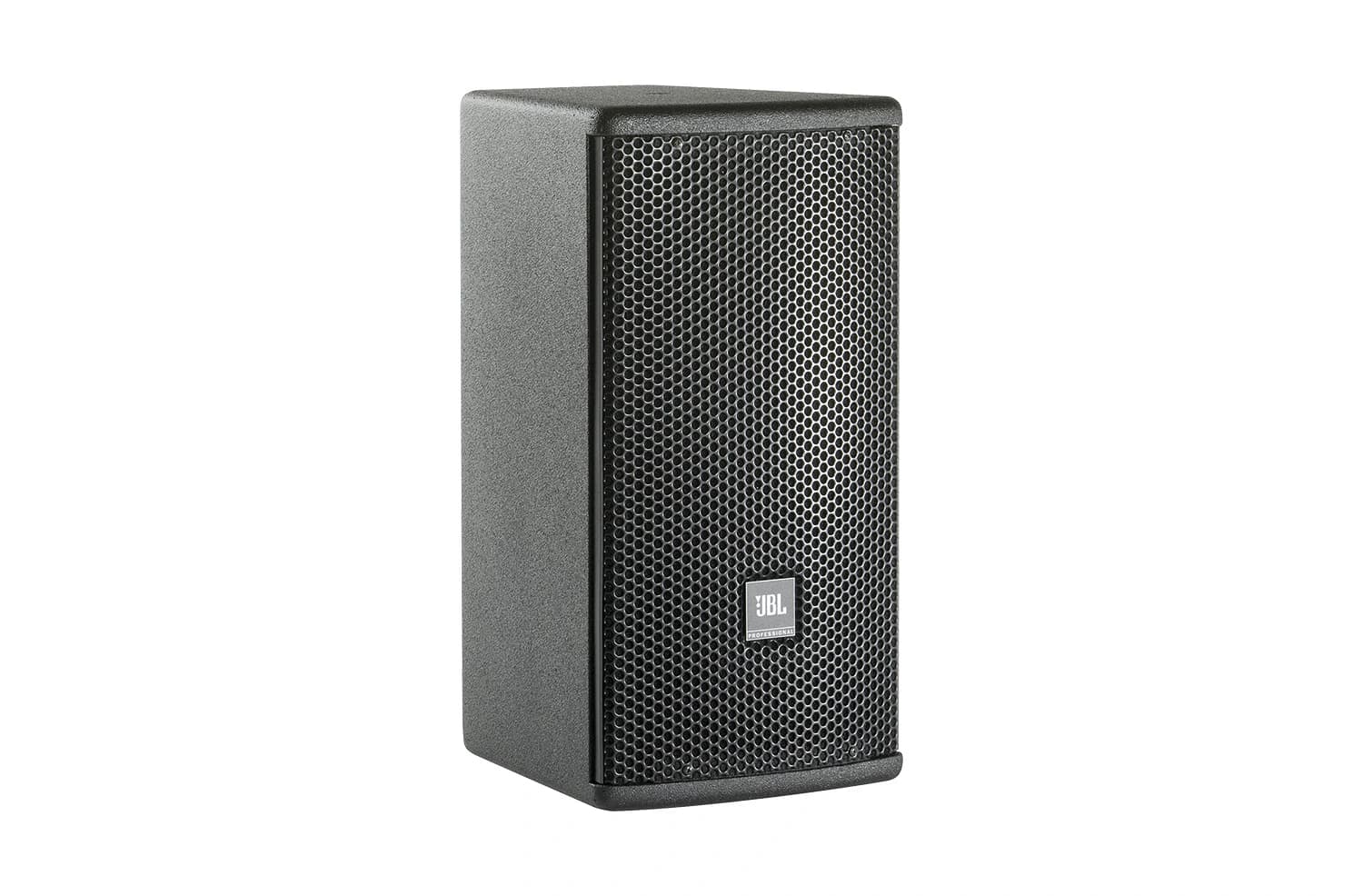
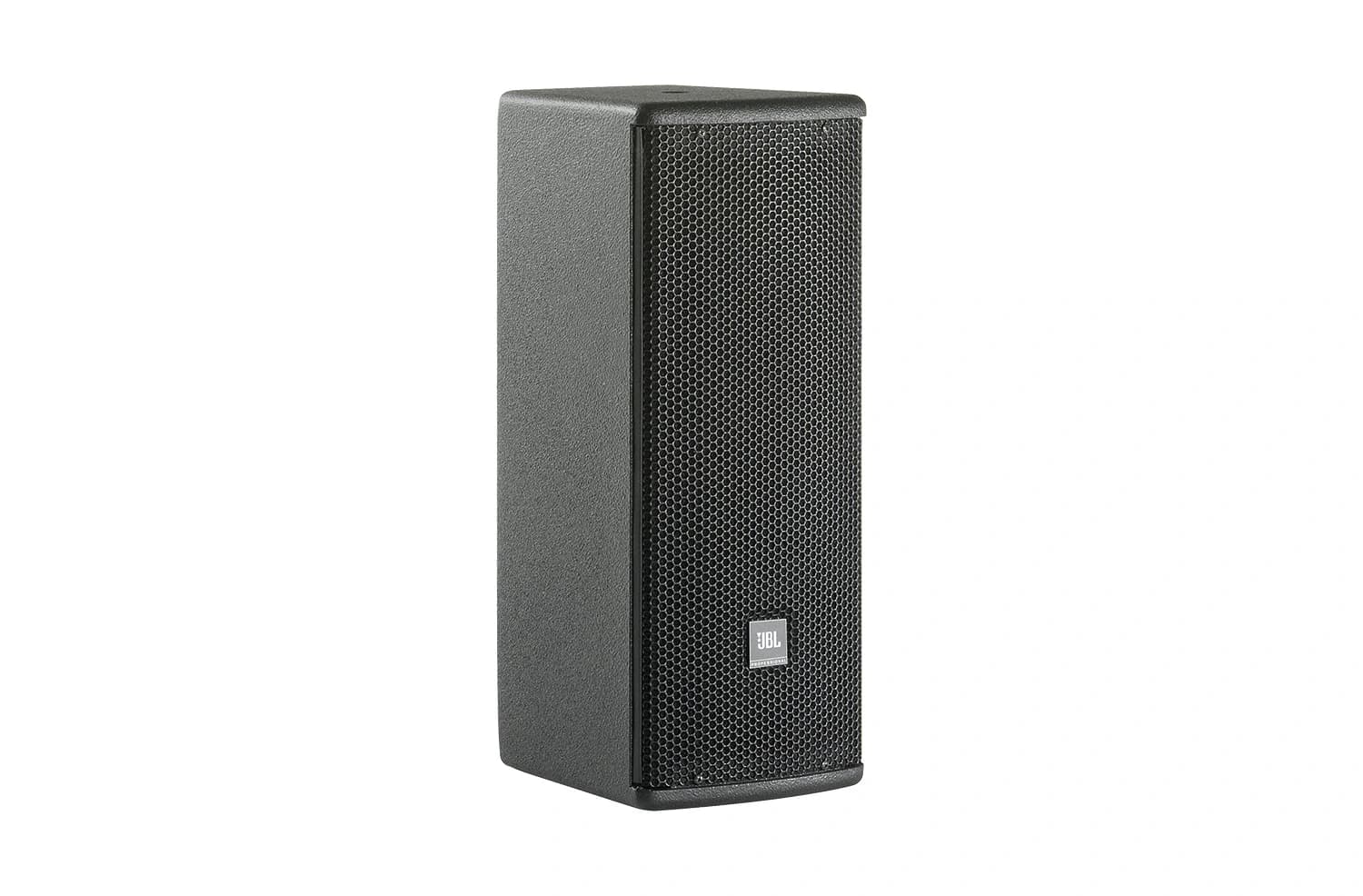
LoudspeakersCeiling, wall or column type depending on the geometry of the hall; delayed supplementary loudspeakers in long halls.
Control and recordingOne-touch scene presets, recording and live broadcast output; shared control with LED display and projection systems.
Process

From Survey to Commissioning

So that the first meeting after handover goes smoothly, measurement and tuning are part of the installation.

01Survey and acoustic assessmentThe dimensions of the space, ceiling height, surface materials and intended use are examined on site.
02DesignLoudspeaker type, quantity and position, microphones, audio processor and cable routes are defined on drawings.
03Installation and tuningAfter mounting and cabling, the system is tuned with measurement: levels, equalization and feedback protection.
04Training and supportThe team that will use the system receives hands-on training, and technical support continues after commissioning.
Application Areas

Conference halls and auditoriums
Municipal and council meeting rooms
Corporate meeting and boardrooms
School and university conference halls
Hotel ballrooms and meeting rooms
Training and seminar rooms

What We Deliver with Conference Hall Sound Systems

Chairman-delegate system

Speaking-order management with tabletop microphone units; the chairman unit can mute all microphones when needed.

Ceiling array microphone

Ceiling microphones that leave the table clear and automatically detect the person speaking; well suited to hybrid meeting rooms.

Feedback suppression

A digital audio processor prevents feedback between microphone and loudspeaker before it occurs.

Delayed loudspeaker lines

In deep halls, supplementary loudspeakers for the back rows are time-aligned with the main loudspeakers so the sound seems to come from a single source.

Recording and broadcast output

Meeting audio is passed as a clean signal to a recorder, a broadcast system or video conferencing software.

Network-based audio infrastructure

Depending on the project, network audio protocols such as Dante simplify cabling and make the system easy to expand.

Why Choose This Solution?

Clear speech in every seat

Loudspeaker placement and audio processor tuning aim for speech that is clearly heard at every point in the hall.

Microphones without feedback

A correct microphone-loudspeaker relationship and feedback suppression let the speaker move freely.

Orderly meeting flow

Chairman-delegate systems let you manage the speaking order and limit the number of microphones open at the same time.

Ready for recording and live broadcast

Meetings can be archived with clean audio recording and passed to a live stream or a video conference.

One system with video

LED displays, projectors and camera systems are connected to the same control structure, so the hall is managed from one point.

Easy to use

Scene presets are defined in advance; the hall can be ready for a meeting within minutes without a technical team.

Explore the Products

Completed Projects

Frequently Asked Questions

Clear and concise answers to the key questions asked before choosing a solution.

Get more information
The basic components are microphones (lectern, wireless handheld/lapel, delegate units or ceiling microphones), a digital audio processor, amplifiers, loudspeakers and a control system. Depending on how the hall is used, recording, live broadcast and video conference connections are added.
It is a conference system in which each participant at the meeting table has a separate microphone unit. A participant presses a button to ask for the floor; the chairman unit can manage the speaking order and mute all microphones when needed. It is widely used in council, municipal and board rooms.
It is preferred in halls where microphones on the table are not wanted, where seating is flexible or where video conferencing is used heavily. Ceiling array microphones such as the Shure MXA920 automatically detect the person speaking and bring their voice forward, leaving the table completely clear.
Feedback is prevented by positioning loudspeakers so they do not face the microphones directly, choosing the right microphone type and tuning with a digital audio processor. Tuning with measurement after installation is decisive here.
It depends on the width, depth, ceiling height and seating layout of the hall. In short halls with low ceilings, ceiling loudspeakers may be enough, while in deep halls delayed supplementary loudspeakers for the back rows are used in addition to the front loudspeakers.
Yes. The sound system is designed to provide a clean audio output to a recorder, a broadcast system or video conferencing software. When planned together with camera and video systems, the meeting can be recorded and broadcast from one point.
Price depends on the size of the hall, the number of microphones and delegate units, the need for wireless channels, the number of loudspeakers, audio processor and recording/broadcast requirements, and integration with video systems. We prepare a quote specific to your hall after the survey.

Let's Find the Right Solution for Your Project

Contact our team for corporate AV, digital signage or professional visualization solutions tailored to your needs.