Digital Transformation in Education with Smart Classroom Systems
A comprehensive guide to digital transformation in education through smart classroom systems.
Why Is Digital Transformation in Education Inevitable?
The education sector is at the forefront of technological transformation. Students of the digital age grow up immersed in technology from the moment they are born, and their expectations go far beyond traditional methods. At Koz Teknoloji, we offer customized smart classroom solutions for educational institutions of all sizes—from elementary schools to universities, and from schools participating in the FATİH Project to private educational institutions.
The combined use of visual and auditory stimuli keeps students’ attention engaged for longer than a lesson delivered through a single channel. This is where the true value of a technology-enriched learning environment lies: it transforms students from passive listeners into active participants in the learning process. The most tangible difference we’ve observed in the field is an increase in the number of students coming to the front of the classroom and a natural rise in in-class question-and-answer interactions.
Core Components of the Smart Classroom System
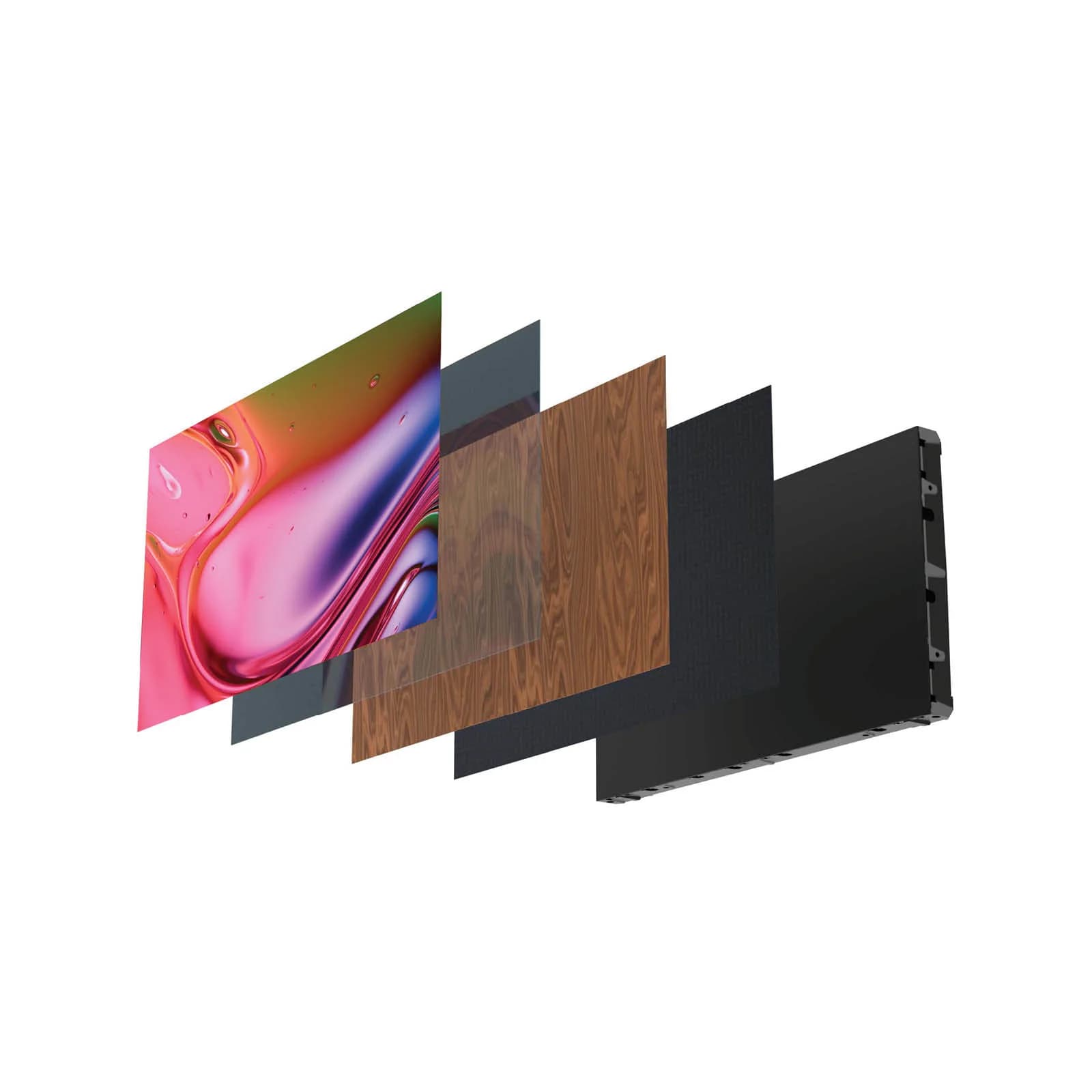
At the heart of a modern smart classroom are interactive flat-panel displays (IFPDs). Equipped with 4K resolution, multi-touch support, and built-in software, these panels enable teachers to conduct lessons in a more dynamic and interactive manner. They are much brighter and sharper than traditional projection systems, cast no shadows, and allow for direct interaction with a stylus or finger. Thanks to their built-in Android operating system, modern IFPDs can operate without the need for a computer.
Classroom sound systems are the unsung heroes of smart classrooms. In a crowded and echo-prone classroom, the teacher’s voice weakens noticeably by the time it reaches the back rows; students take notes based on what they think they heard, not what they actually heard. A properly positioned classroom sound system bridges this gap by delivering sound at an equal level to all rows. It provides a significant improvement, particularly for students in the back rows and those with hearing difficulties; it also protects the teacher’s occupational health by eliminating the need to raise their voice throughout the day.
Hybrid Education and Remote Learning Integration
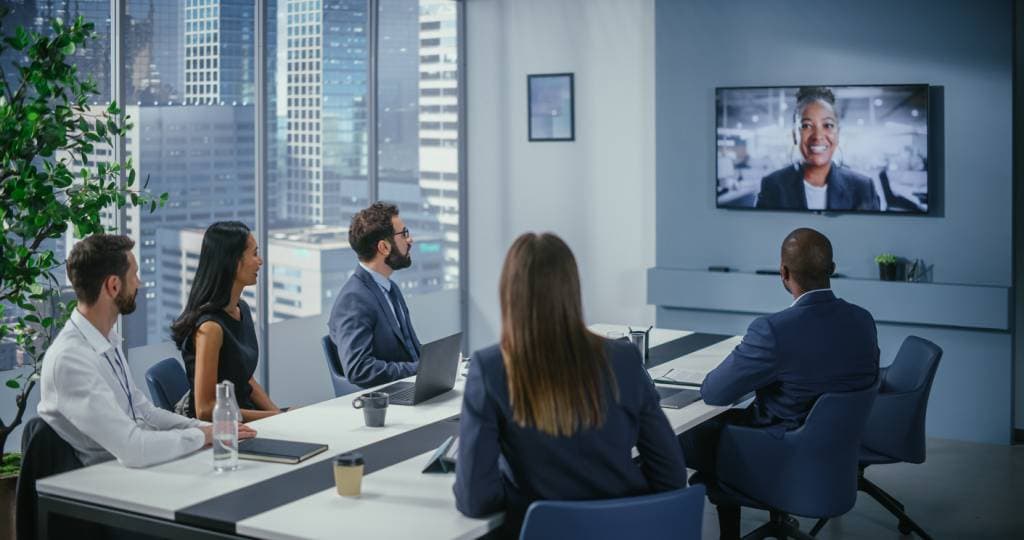
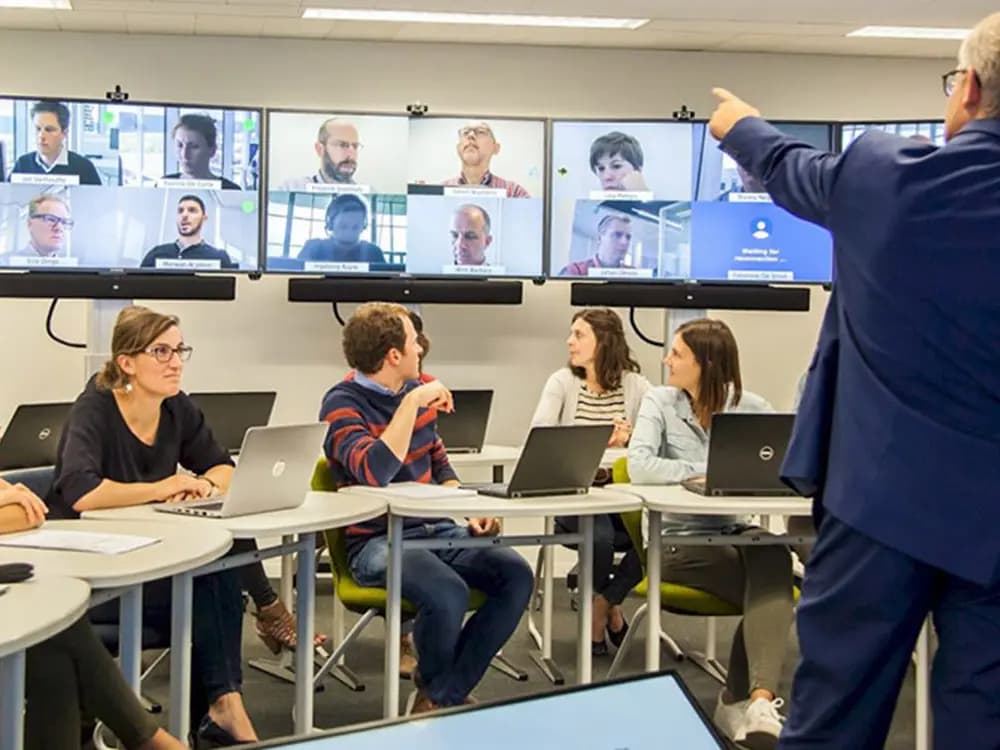
In the post-pandemic educational landscape, the hybrid model has become the norm. Our smart classroom systems provide an equal learning experience for both in-person and remotely connected students simultaneously. We’ve covered the technical setup for cameras and audio in our article on hybrid classroom configurations. Cameras automatically track the speaker, microphones clearly capture all sounds, and screen sharing ensures that lesson materials reach everyone equally. Thanks to the lesson recording feature, students can watch missed lessons later and review material before exams.
FATİH Project and Classroom Automation
As part of the FATİH Project, we provide standards-compliant hardware and installation services. We manage the processes of needs analysis, hardware selection, and teacher training for schools. Thanks to classroom automation, all equipment activates with a single button at the start of class and shuts down at the end. With centralized management, school administrators can monitor devices in all classrooms from a single dashboard.
Investments Won’t Pay Off Without Teacher Training
No matter how advanced the technology is, it cannot be used effectively without teacher training. The most common scenario we encounter after installations is that the panel is used merely as a screen to replace a projector; the device’s interactive features are never utilized. That is why we plan post-installation training for teachers and administrators as an integral part of the process.
Interactive Learning Tools
The most significant advantage of smart classrooms is that they encourage students to actively participate in class. Thanks to student response systems, teachers can receive real-time feedback during lessons. With digital pens and touchscreens, students can engage in interactive activities at the whiteboard. Using the wireless screen-sharing feature, students can present content from their own devices. In our interactive smart board selection guide, we detail which technical criteria directly impact this experience.
Building a Future-Ready Infrastructure
As virtual and augmented reality applications become more widespread in education, expectations for the classroom’s network, video, and audio infrastructure are also rising. What determines whether a panel purchased today will be sufficient for these scenarios in a few years’ time is not so much the screen itself, but rather the connectivity and processing capacity behind it. When planning an installation, we take into account not only today’s lesson formats but also how the classroom will be used in the coming years.