Next-Generation Corporate Communication Technology: What Is Digital Signage?
What is digital signage, what are its components, and what benefits does it offer businesses? Take an in-depth look at screen solutions for corporate communications and retail.
What Is Digital Signage?
In today’s business world, delivering the right message to the target audience at the right time is the most critical element of marketing and corporate communications. Traditional printed billboards, signs, and posters are now giving way to dynamic, instantly updatable, and centrally manageable digital display technologies. This is precisely where Digital Signage (Digital Broadcasting and Information Systems)—which guides modern businesses through their digital transformation processes—comes into play.
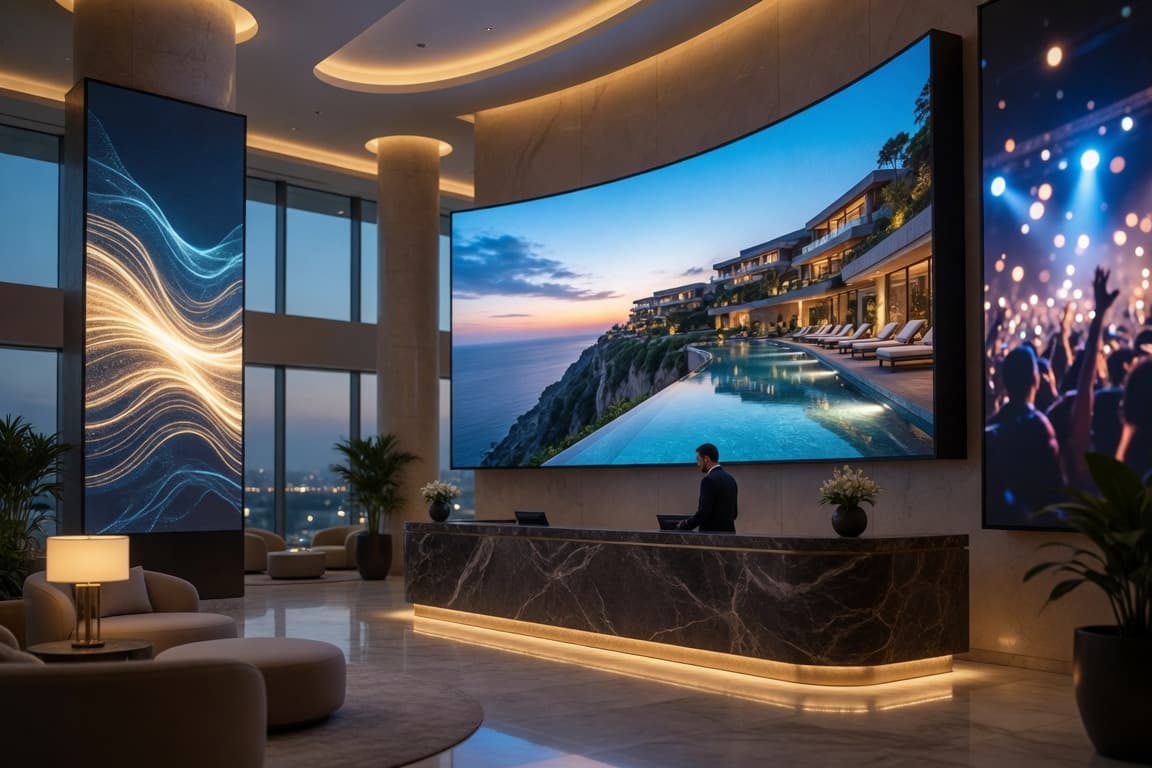
Digital Signage refers to multimedia content (video, images, live data, scrolling text, weather, etc.) that is delivered simultaneously or on a scheduled basis to targeted digital displays (Industrial Displays, Video Walls, LED Screens, Kiosks) via an IP network (Internet/Local Area Network). Unlike traditional billboards, this system completely eliminates printing, logistics, and labor costs; it offers the ability to update content in seconds, plan content tailored to the target audience, and establish interactive engagement.
The 4 Core Components of a Digital Signage System
The seamless operation of a professional digital signage project is made possible by the full integration of hardware and software components. The key elements in a system installation are as follows:
1. Professional Displays
Consumer-grade televisions are not designed for 24/7 operation; they experience color loss and their panels heat up quickly. In digital signage projects, industrial displays that offer 24/7 or 16/7 operational performance, high brightness (nits), and anti-glare properties are preferred. Depending on the project’s needs, menu boards, vertical indoor kiosks, outdoor totems, and slim-bezel video wall systems are installed.
2. Media Players (Digital Signage Players)
These are hardware devices positioned behind the displays or embedded within them (System on Chip – SoC). They process video, visual, and live data sent from the central software and display it on the screen. Professional media players based on Android, Windows, or Linux ensure that the system automatically resumes from where it left off after a power outage.
3. Content Management Software (CMS)
This is the brain of the system. Thanks to cloud-based Digital Signage Software, you can manage content on thousands of screens from a single browser, no matter where you are in the world. You can group screens, schedule different ad playlists for the morning and evening, and remotely monitor the status of the screens in real time.
4. Connectivity and Infrastructure (Network)
A stable internet connection (Wi-Fi, Ethernet, or 4G/5G LTE) is required to stream content from the server to the players. Advanced software is designed to continue playing content from local storage even if the internet connection is lost.
Digital Signage Applications by Industry
Digital signage solutions transform static spaces into dynamic marketing tools, providing flexibility tailored to each industry:
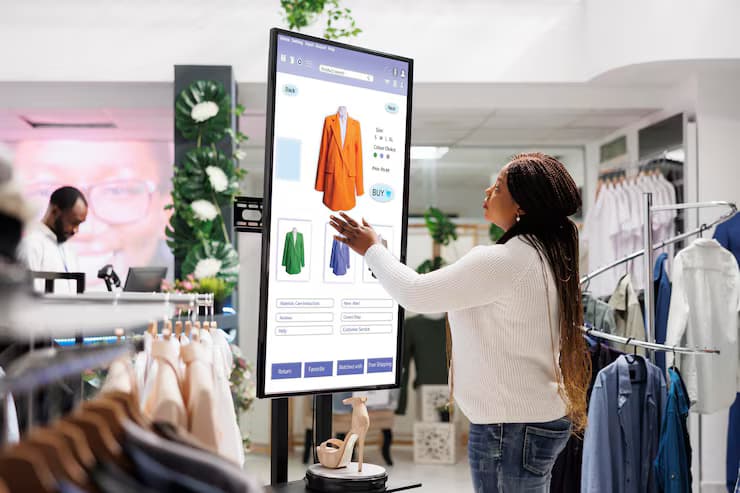
- Retail and Stores: Attracting the attention of passersby with high-brightness screens in store windows, and announcing real-time promotions and discounts to customers before they reach the checkout.
- Restaurants and Cafes (Digital Menu Boards): Menus that automatically change based on the time of day (Breakfast/Lunch/Dinner), price updates within seconds, and the playback of appetizing, high-resolution product videos.
- Corporate Communications (Offices and Factories): Distributing internal company achievements, CEO messages, Occupational Health and Safety (OHS) alerts, birthday announcements, and real-time notifications to all departments and screens on production lines from a single central hub.
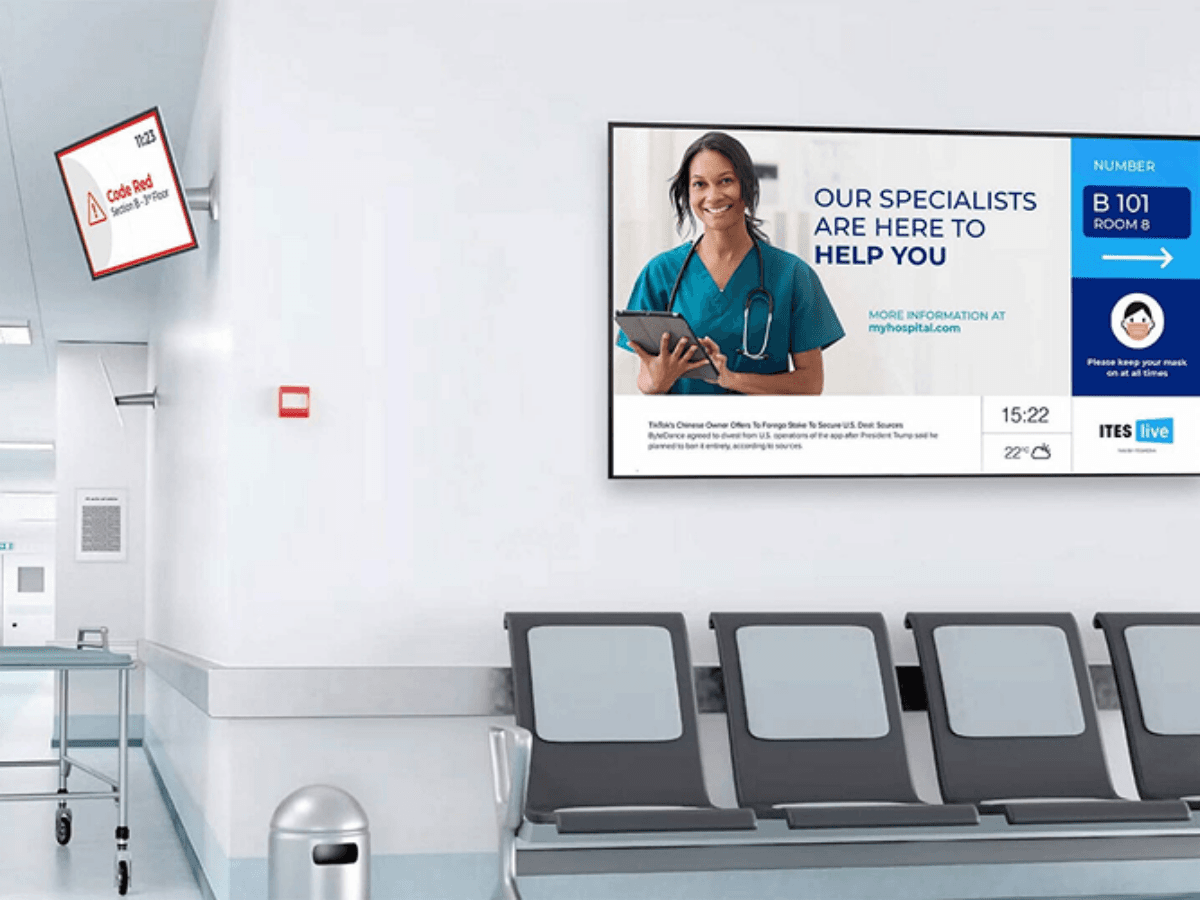
- Healthcare and Hospitals: Outpatient clinic queue management systems, doctor schedules, informative health videos for patients, and in-hospital wayfinding solutions.
Why Should You Invest? Benefits for Your Business
Eliminate Costs: You’ll put an end to the costs of banners, posters, insert printing, and installation/logistics that you pay during every campaign period. Maximum Attention Value: Scientific studies show that dynamic digital screens attract 400% more attention than static billboards. Instant Response and Flexibility: You can immediately remove an ad for a product that’s out of stock and replace it with a promotion for another product in seconds.
The Future of Display Technologies at Koz Teknoloji
As Koz Teknoloji, specialists in corporate AV and display systems, we provide end-to-end, turnkey services—from design and installation to industrial hardware procurement and cloud-based CMS software integration. To kickstart your business’s digital transformation, increase engagement with your target audience, and get detailed information on budget-friendly industrial display prices, explore our professional digital signage solutions page and contact our expert team today.