
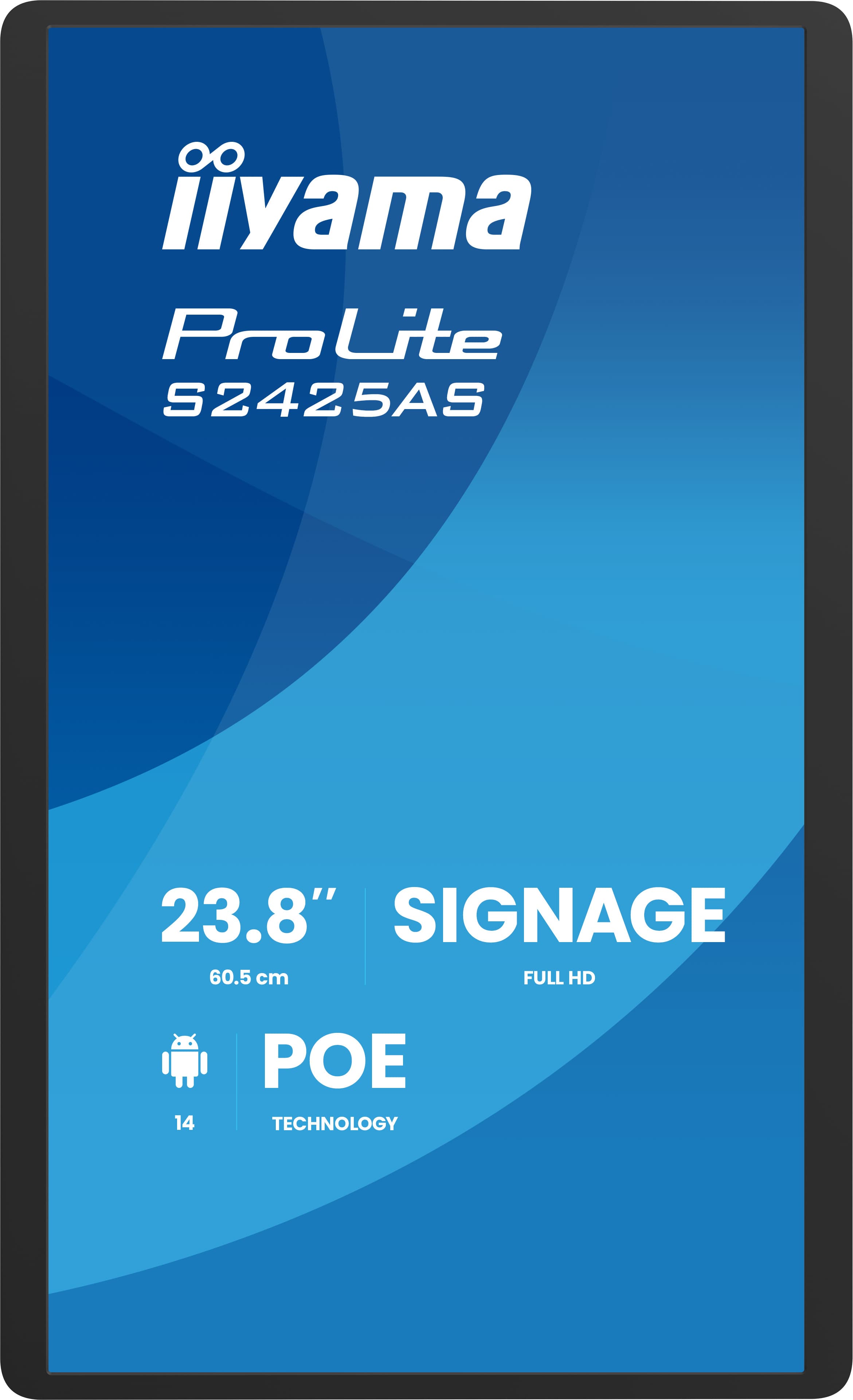
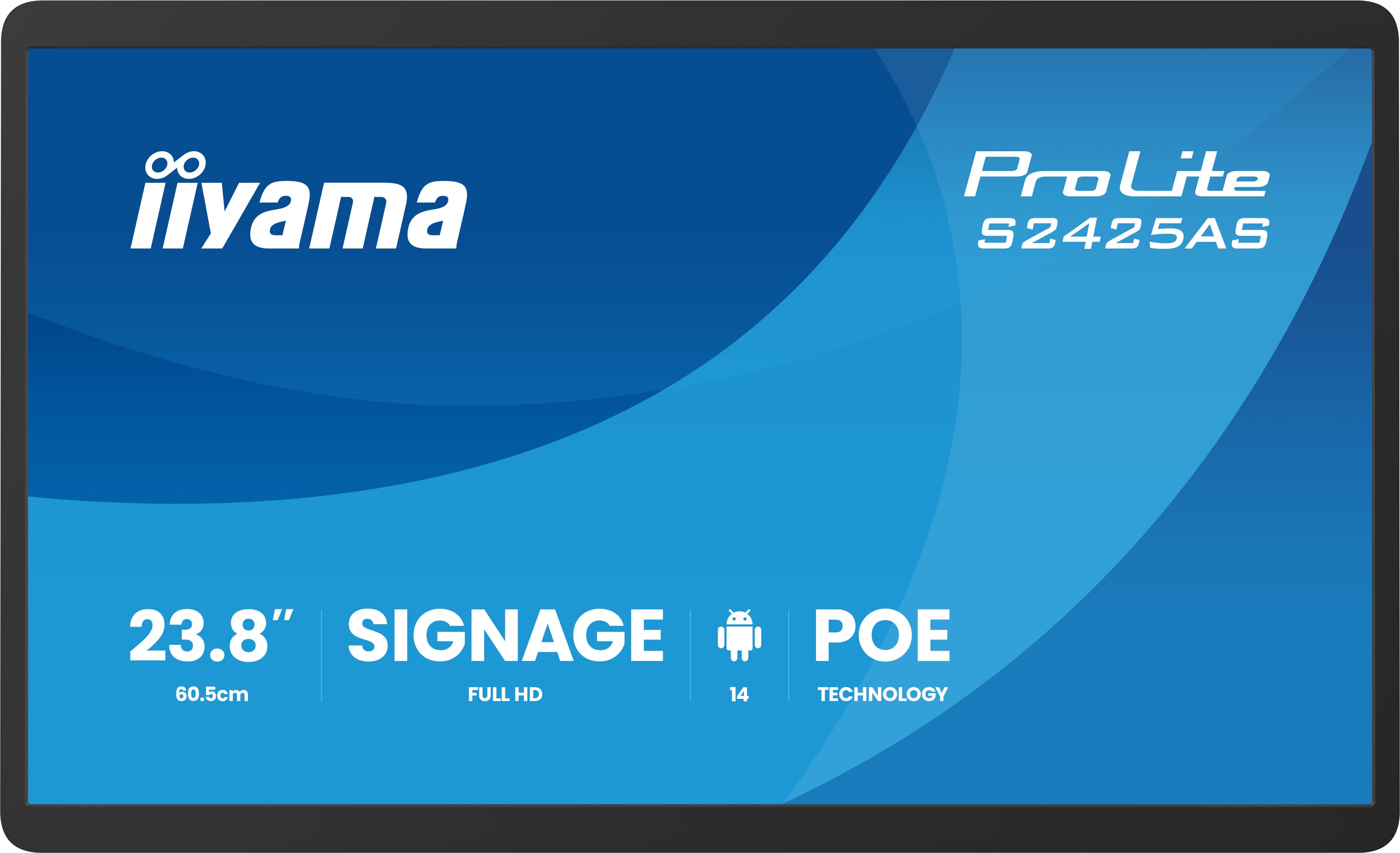
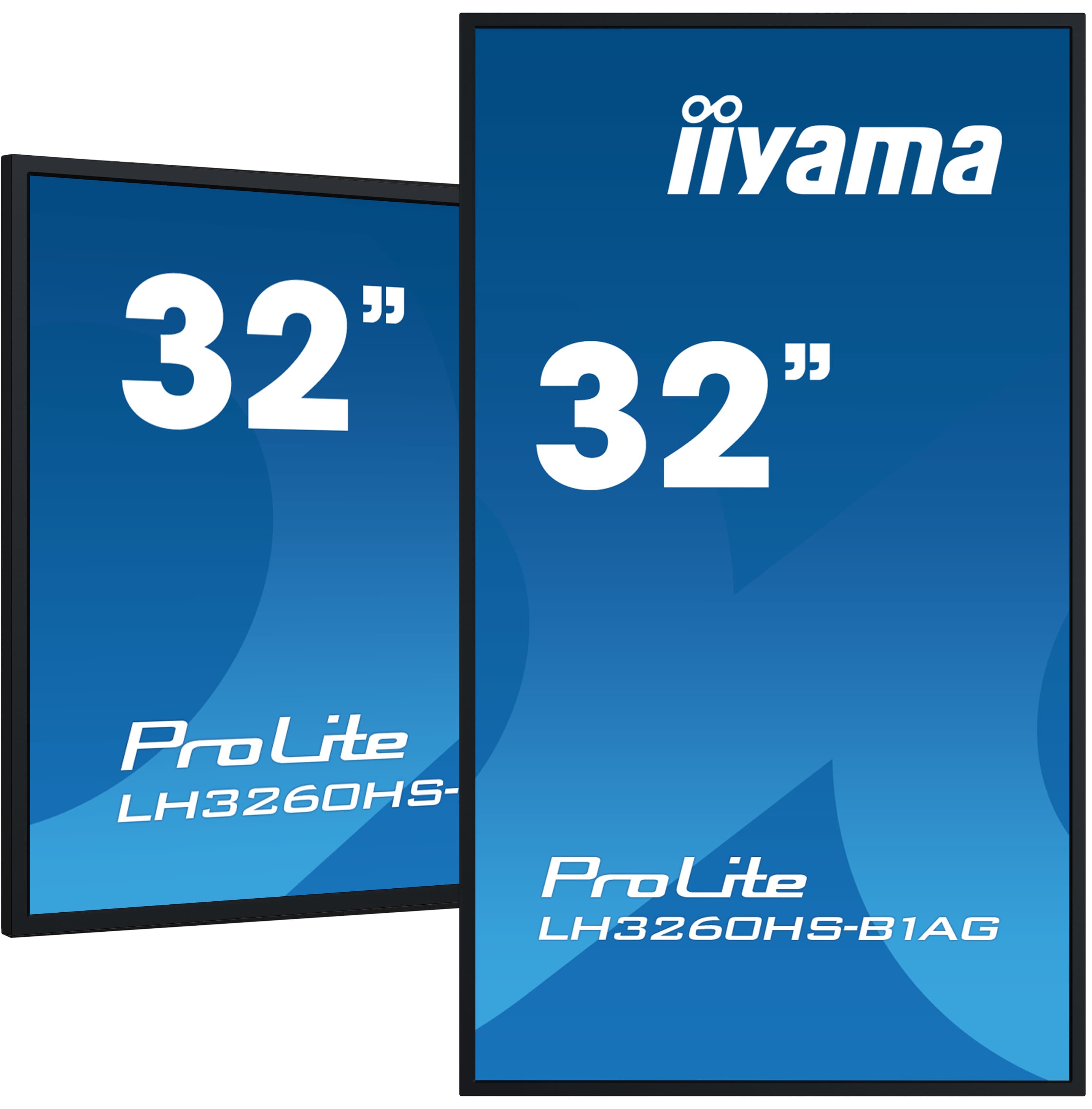
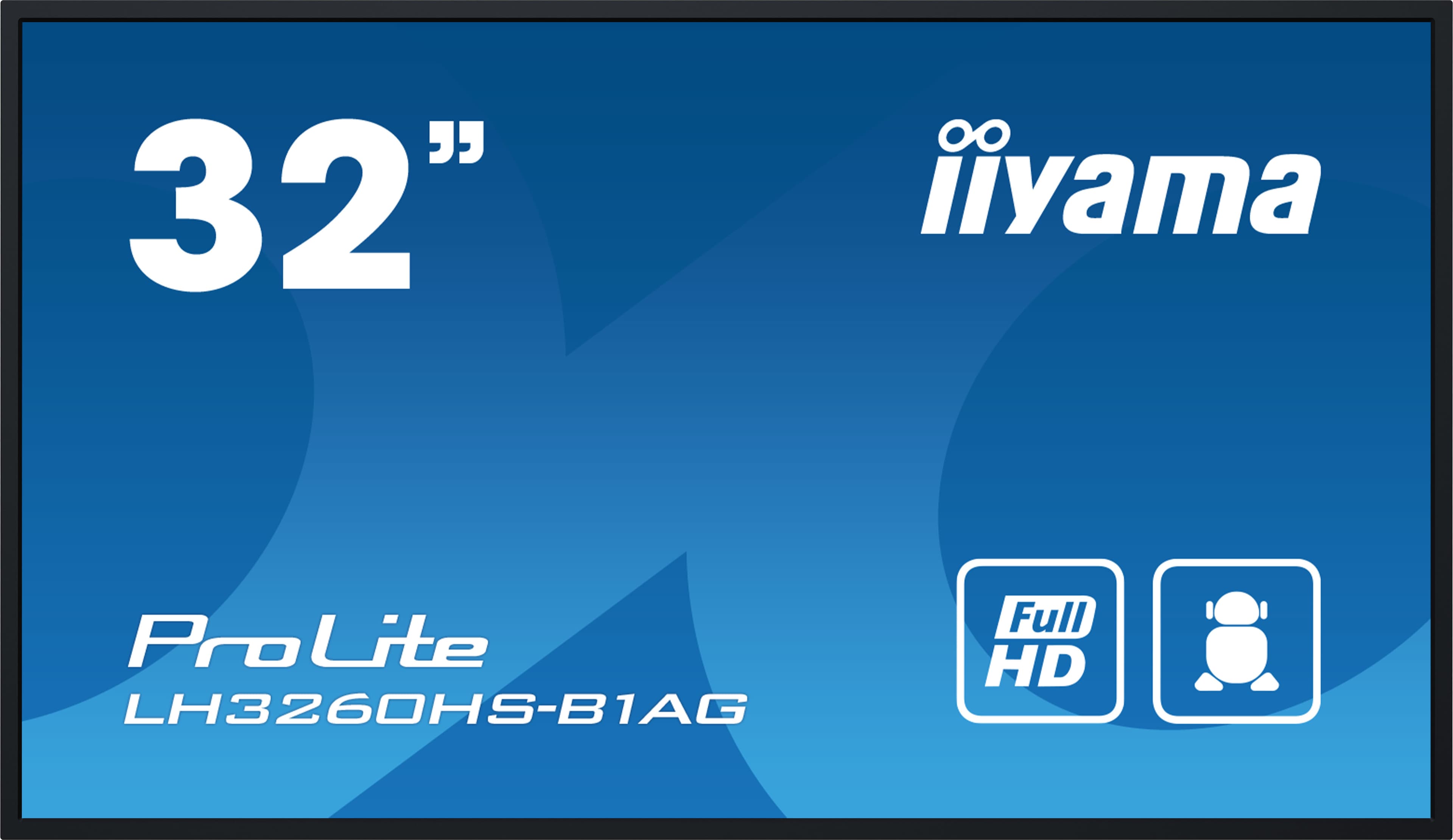


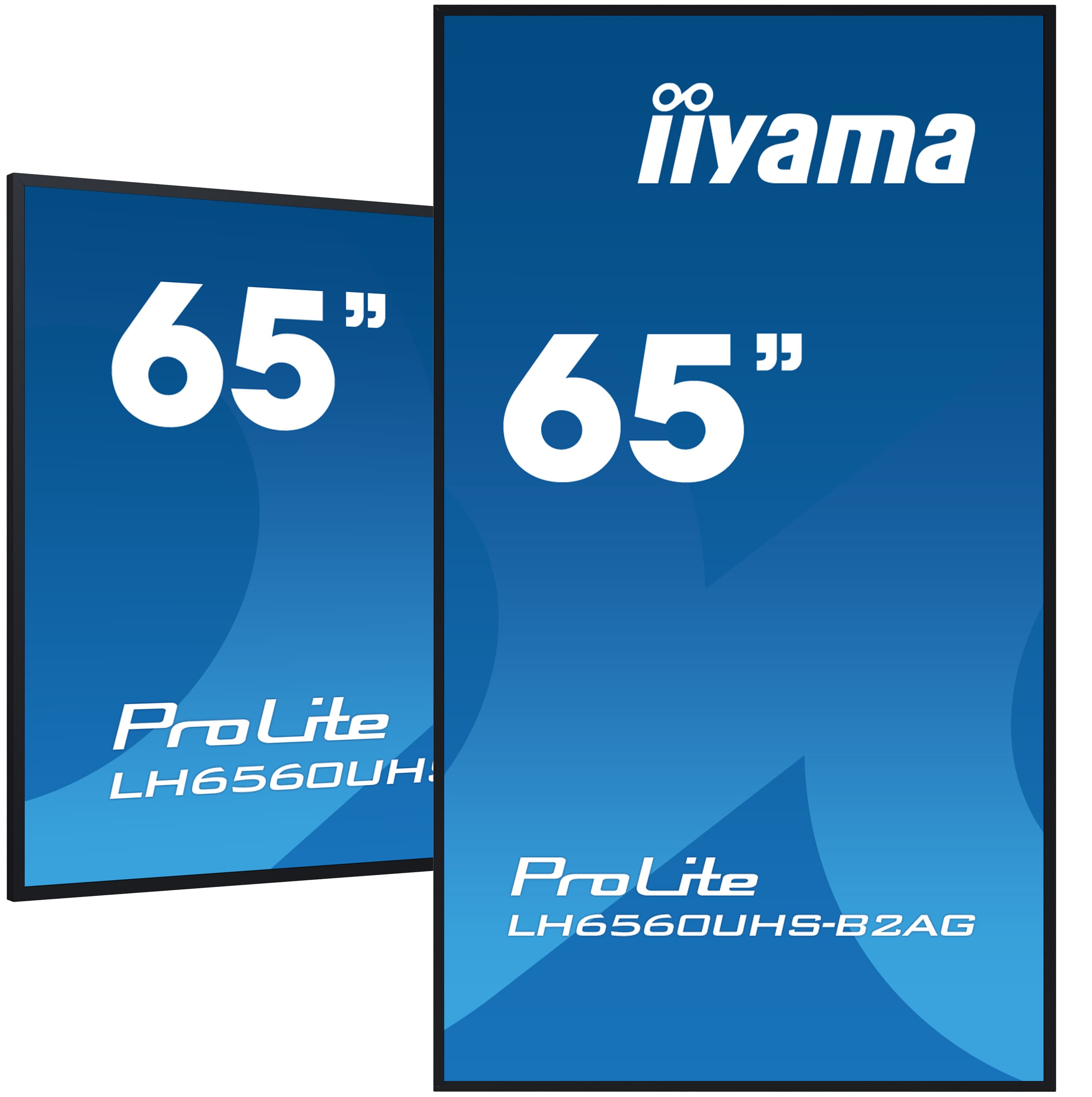
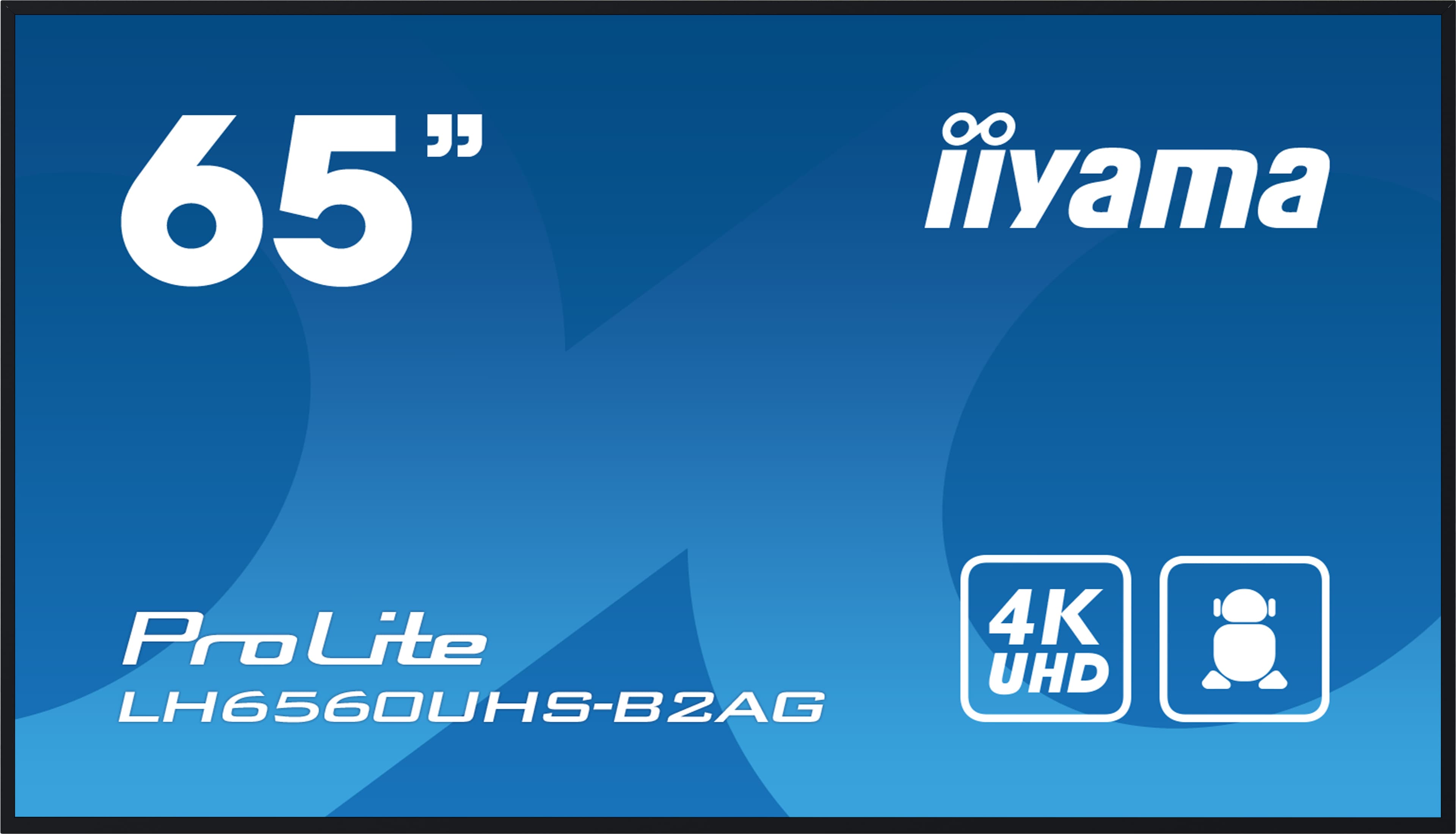
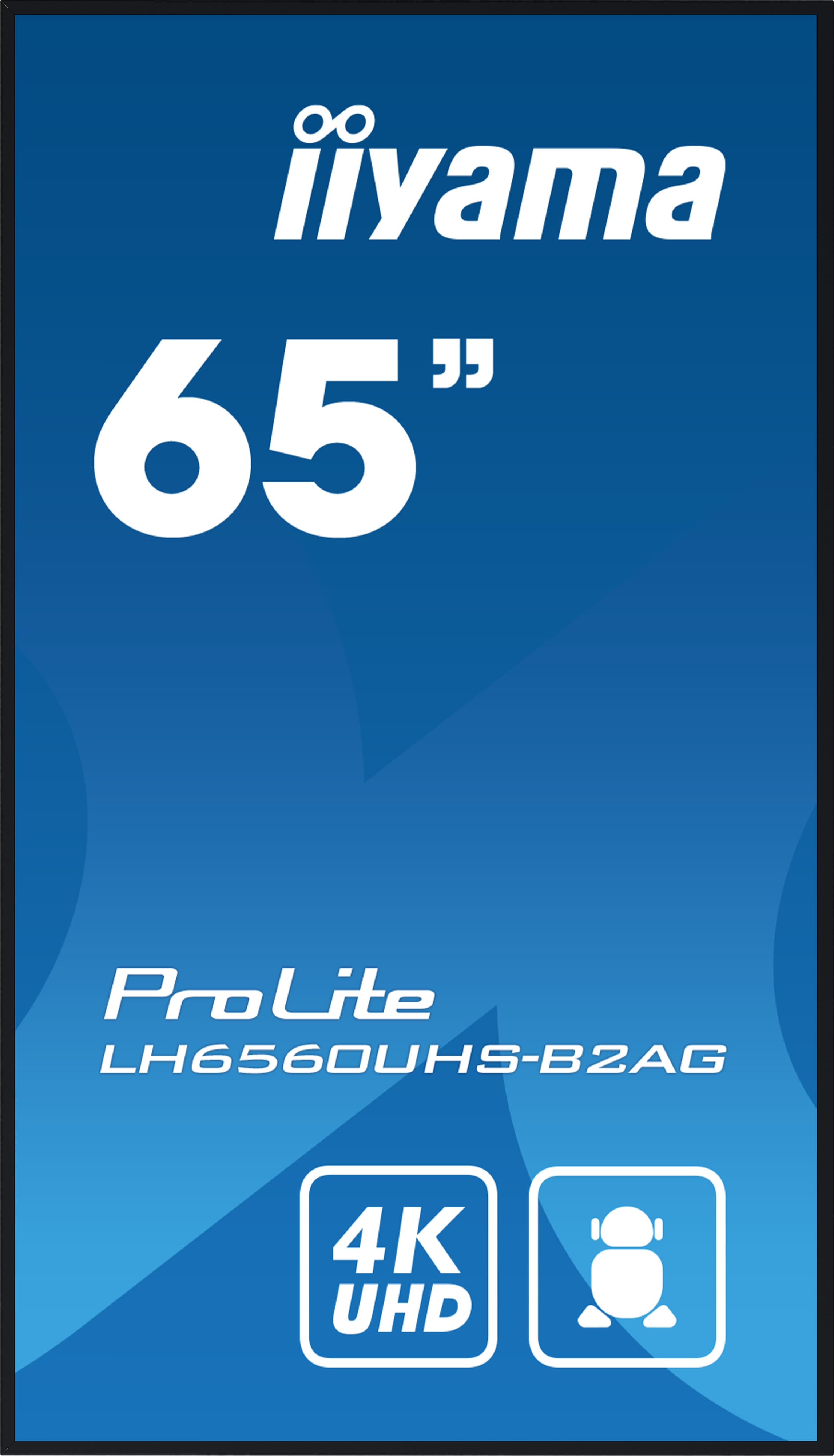
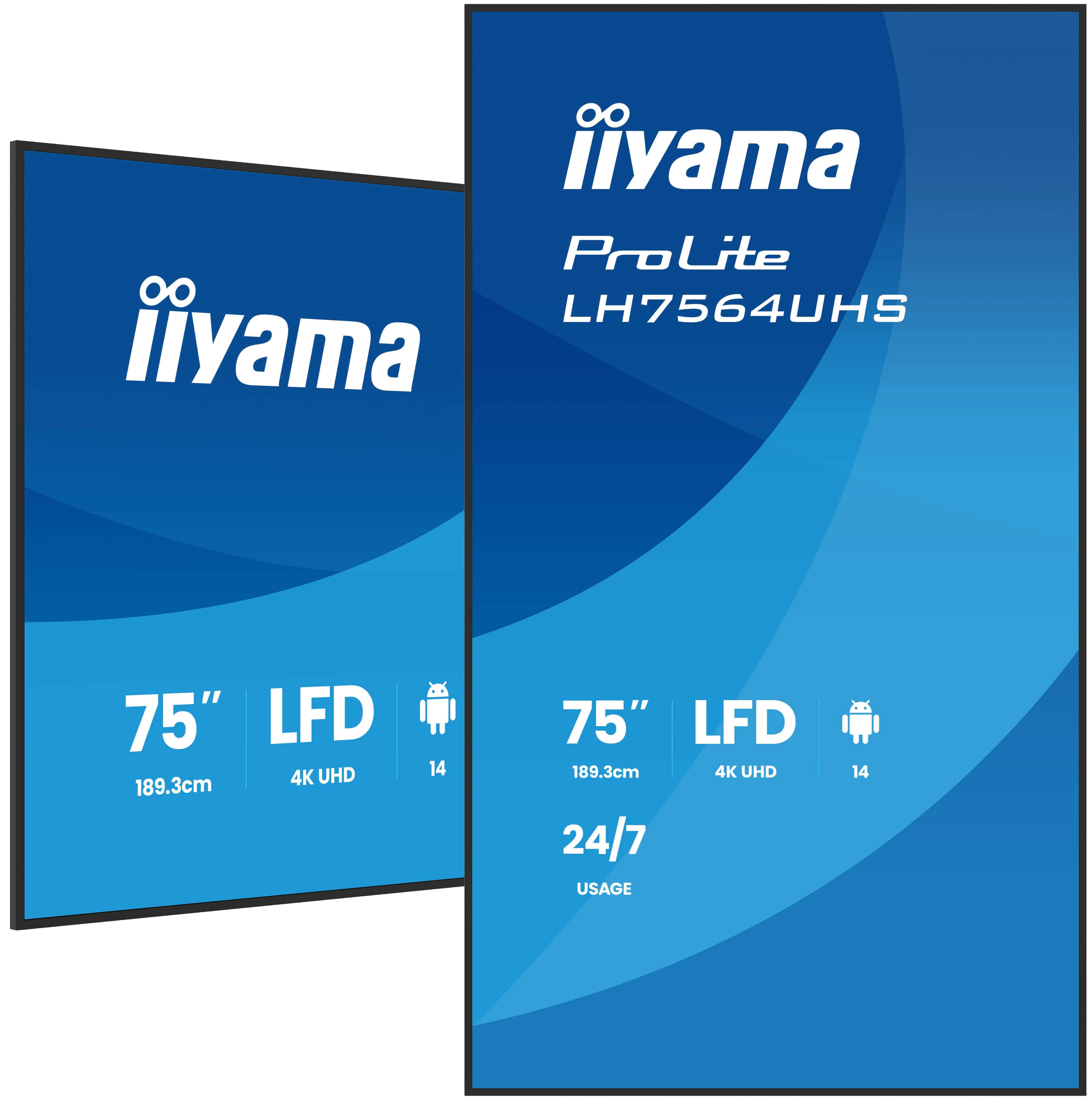



Why Does the Difference Between a Commercial Display and a TV Affect the Budget?
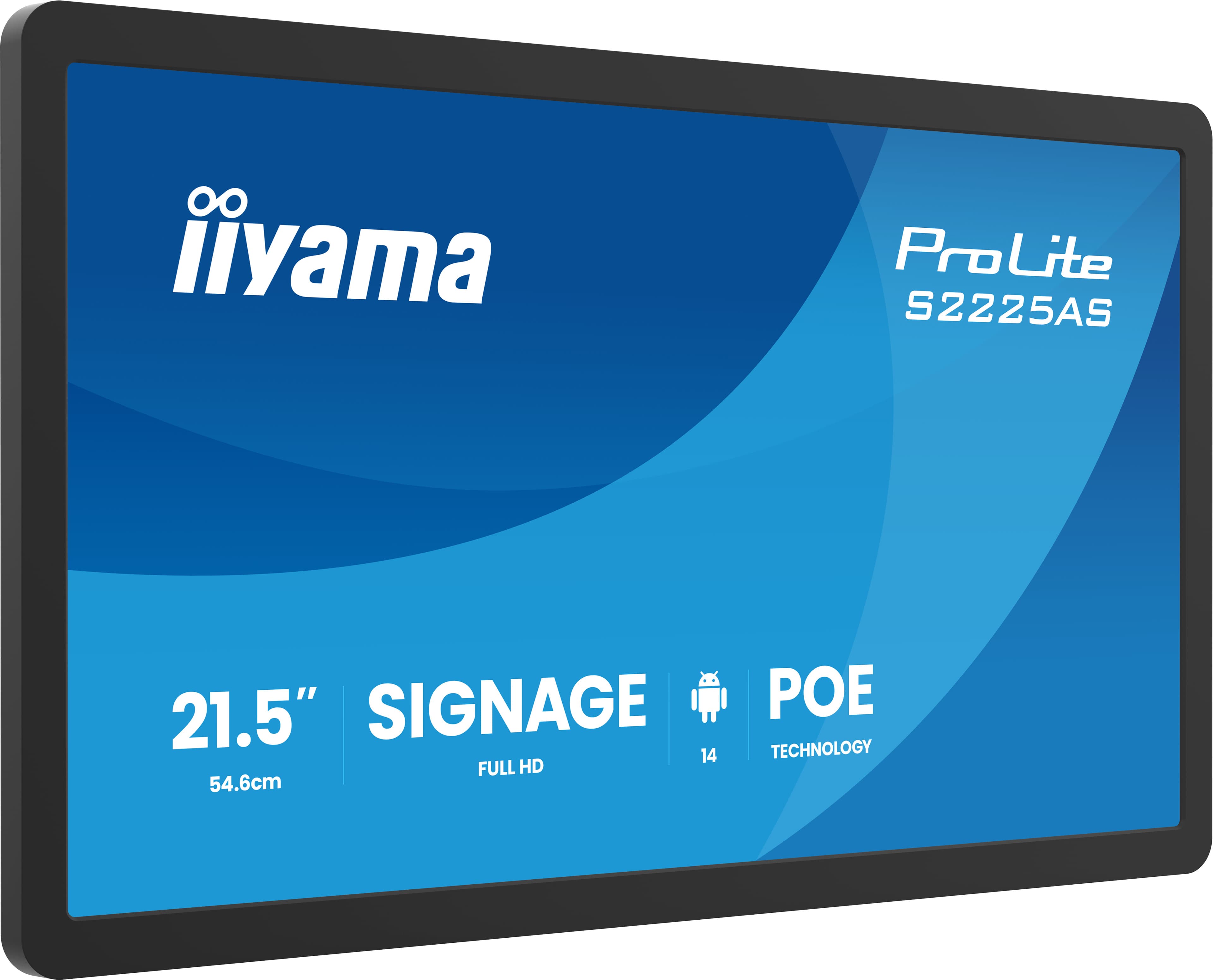
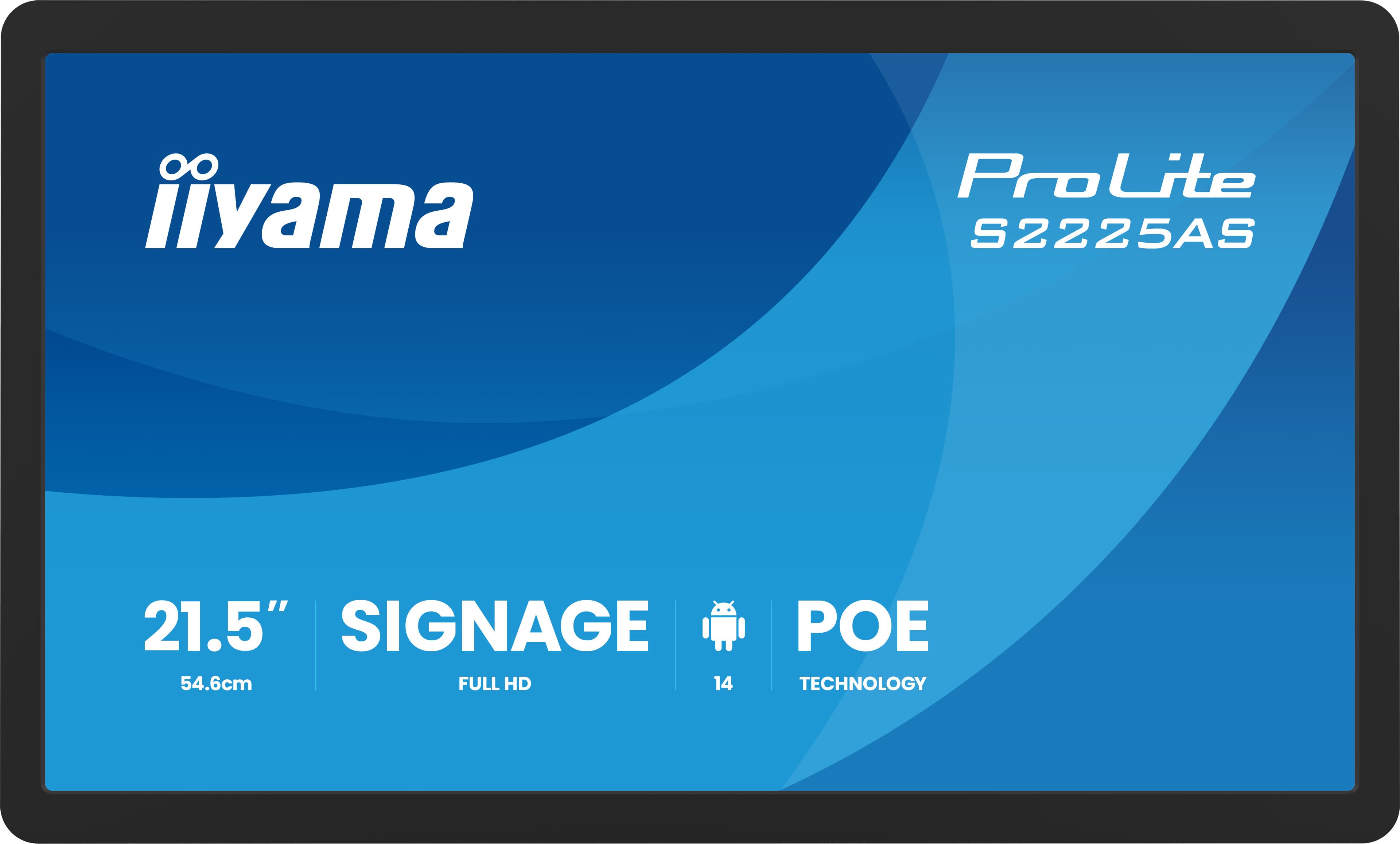
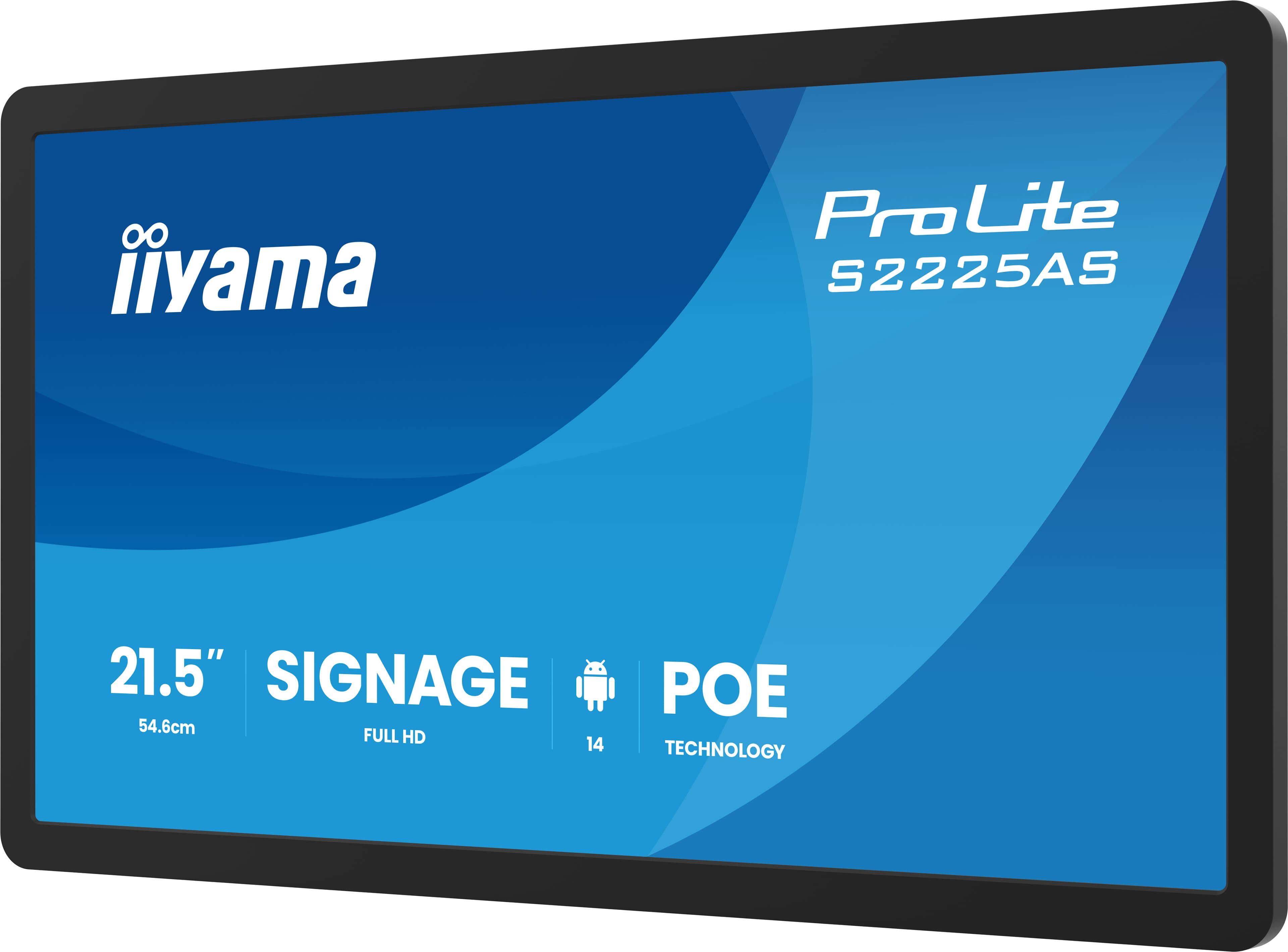
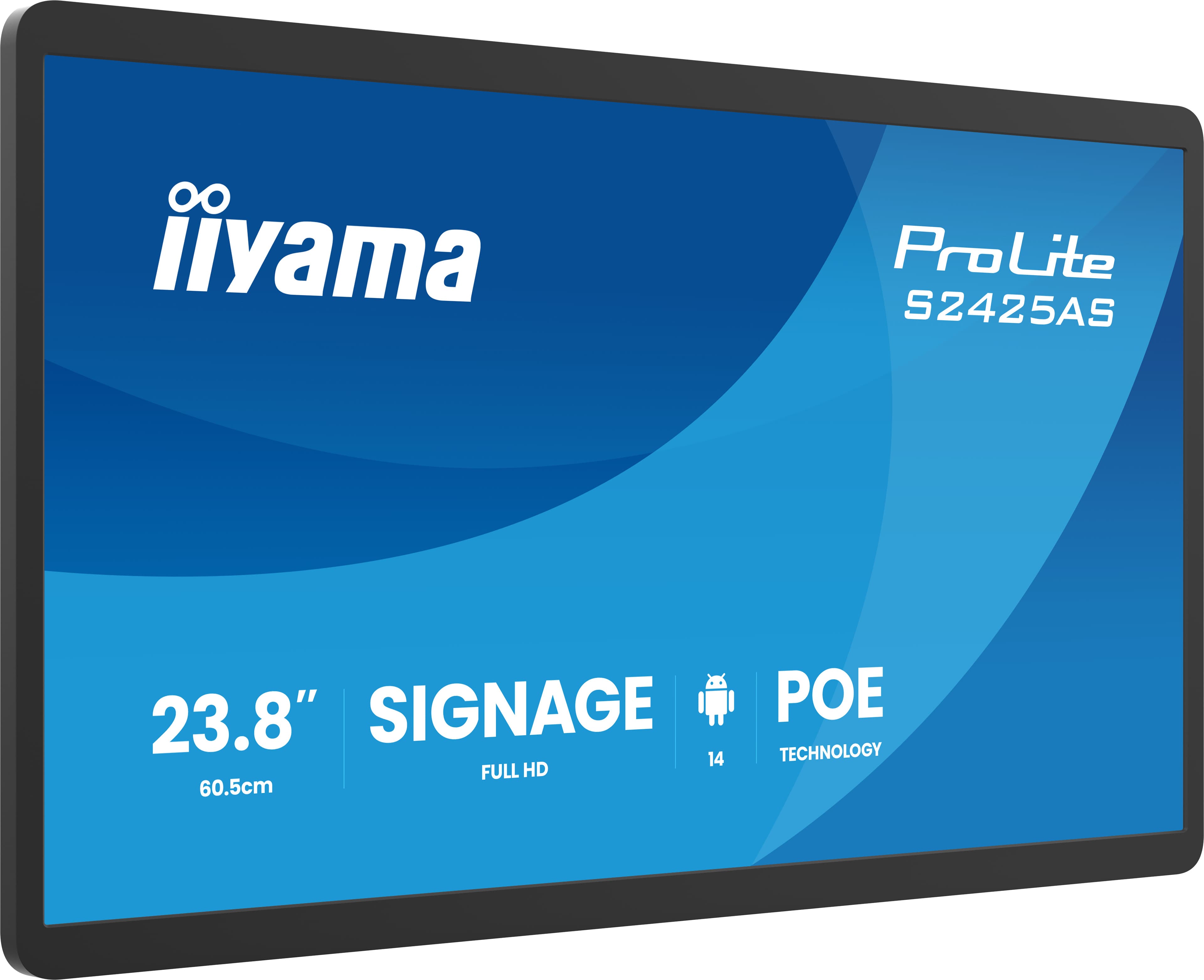
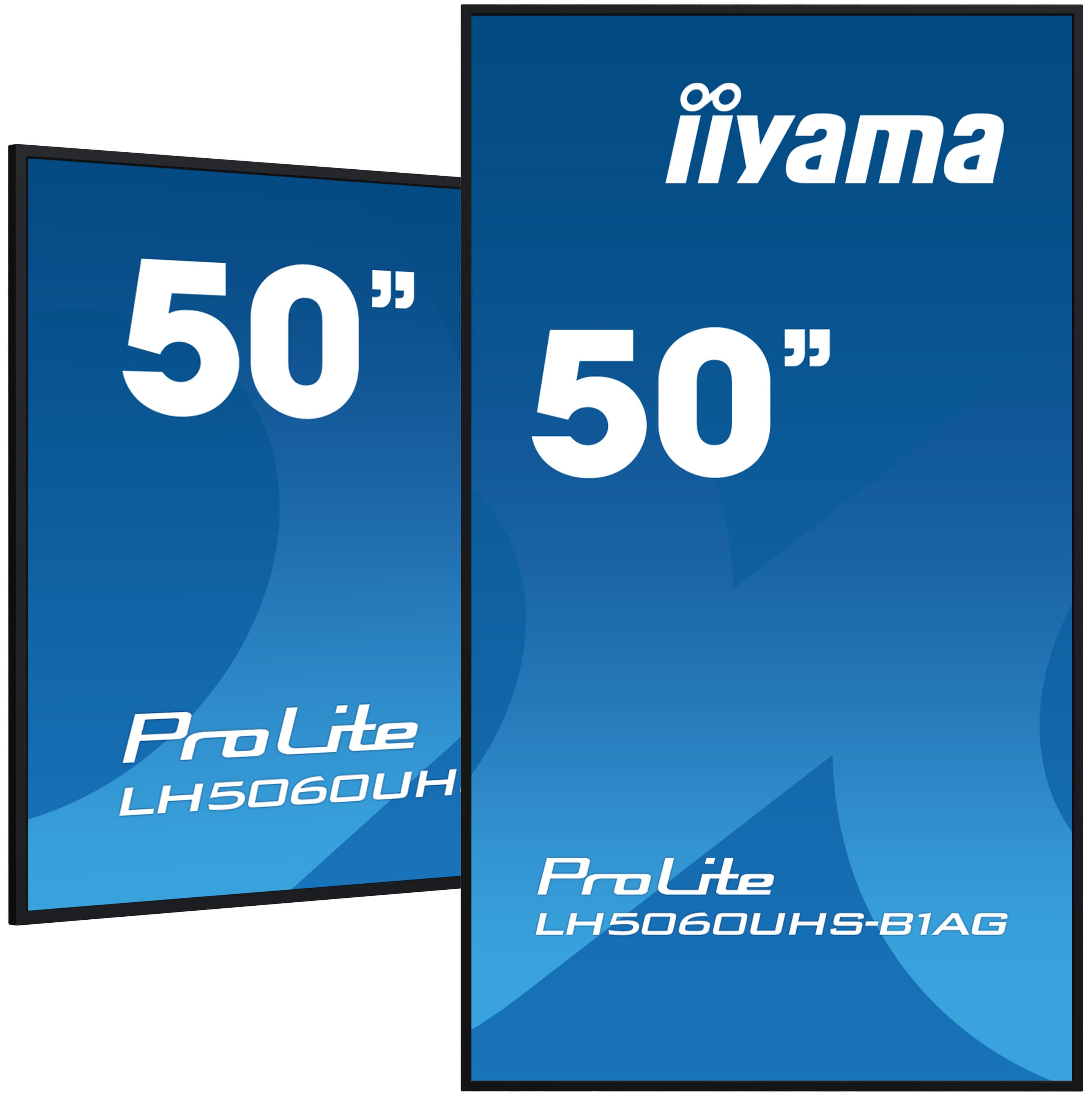
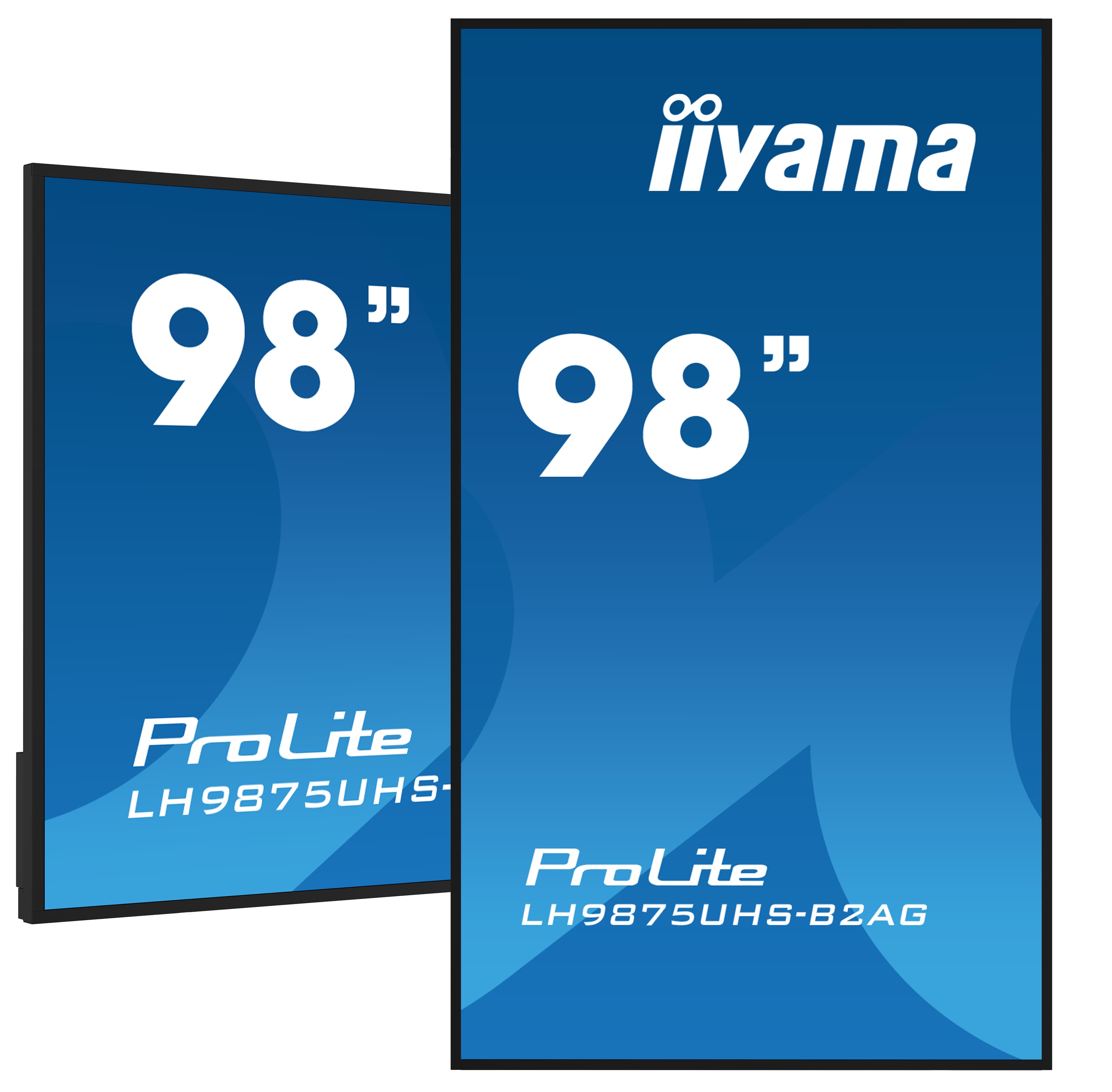
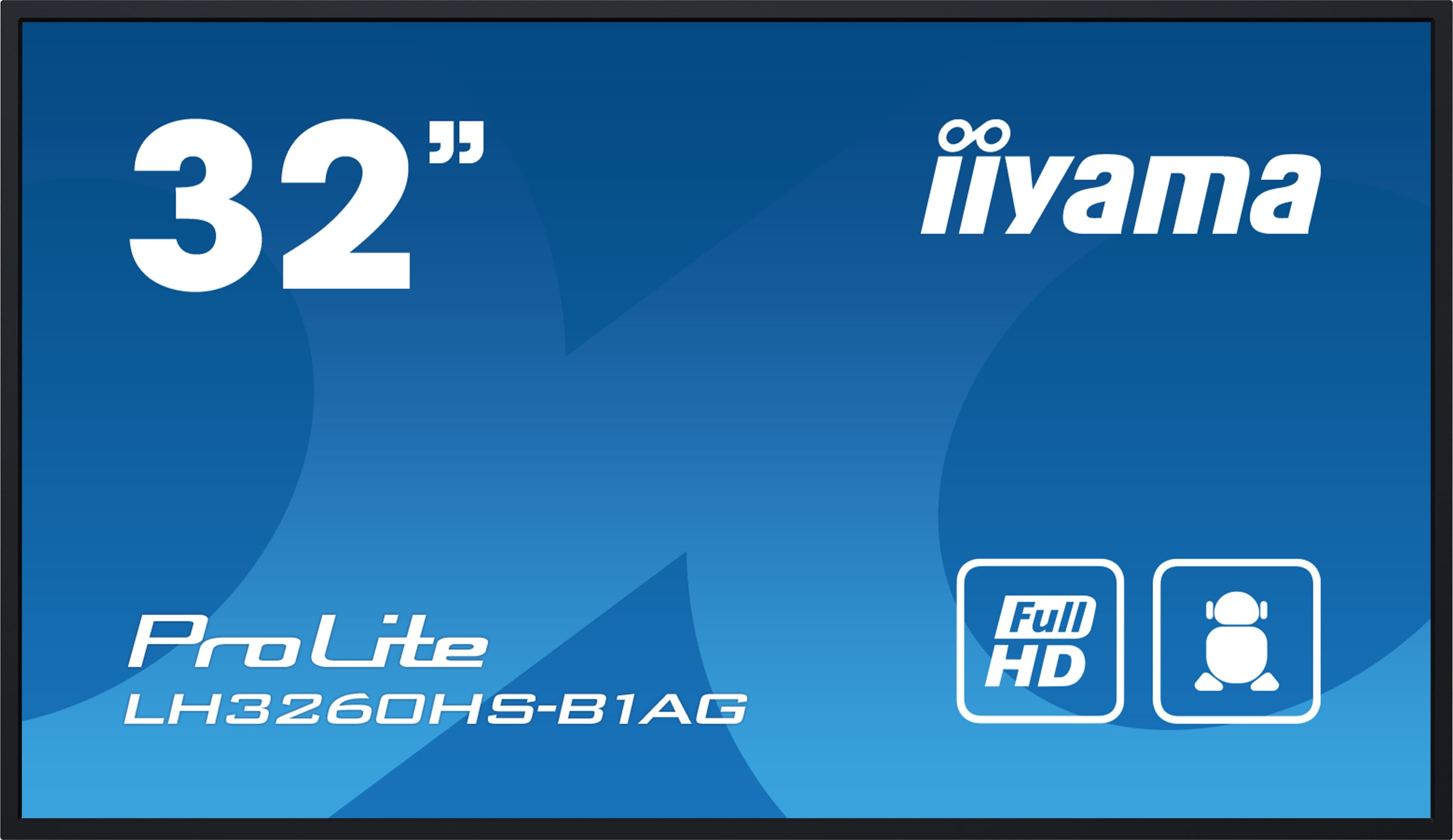
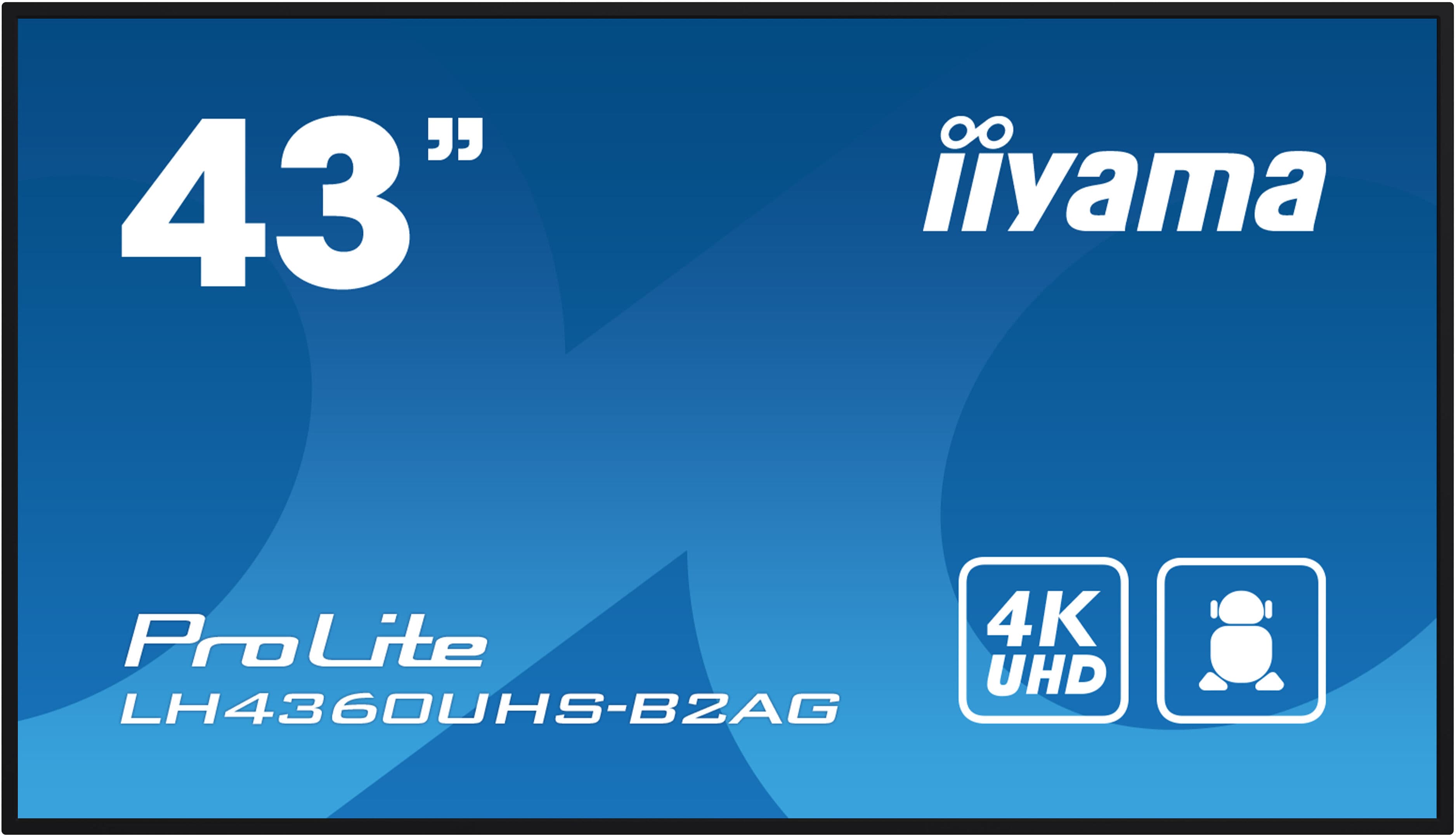
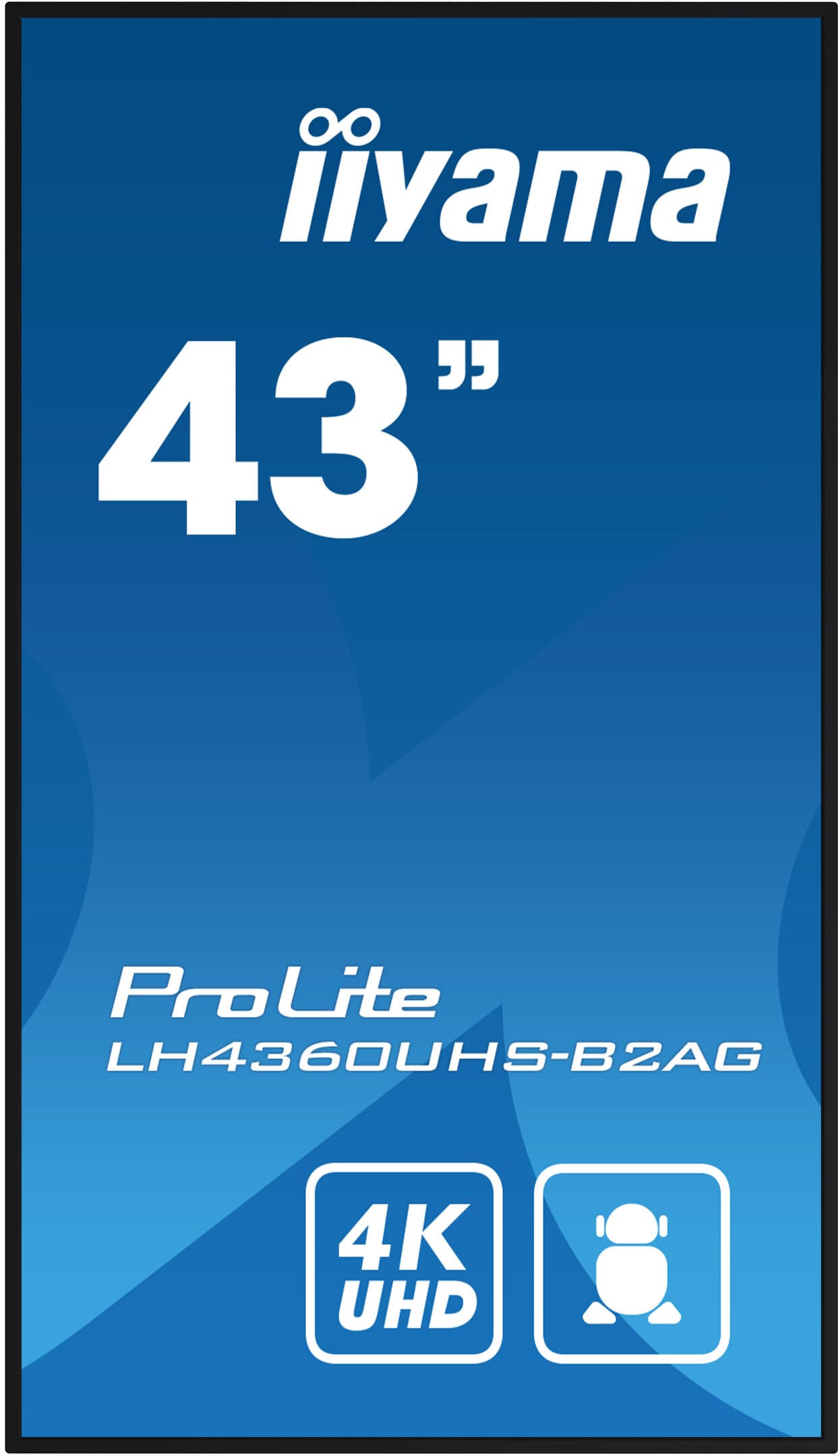
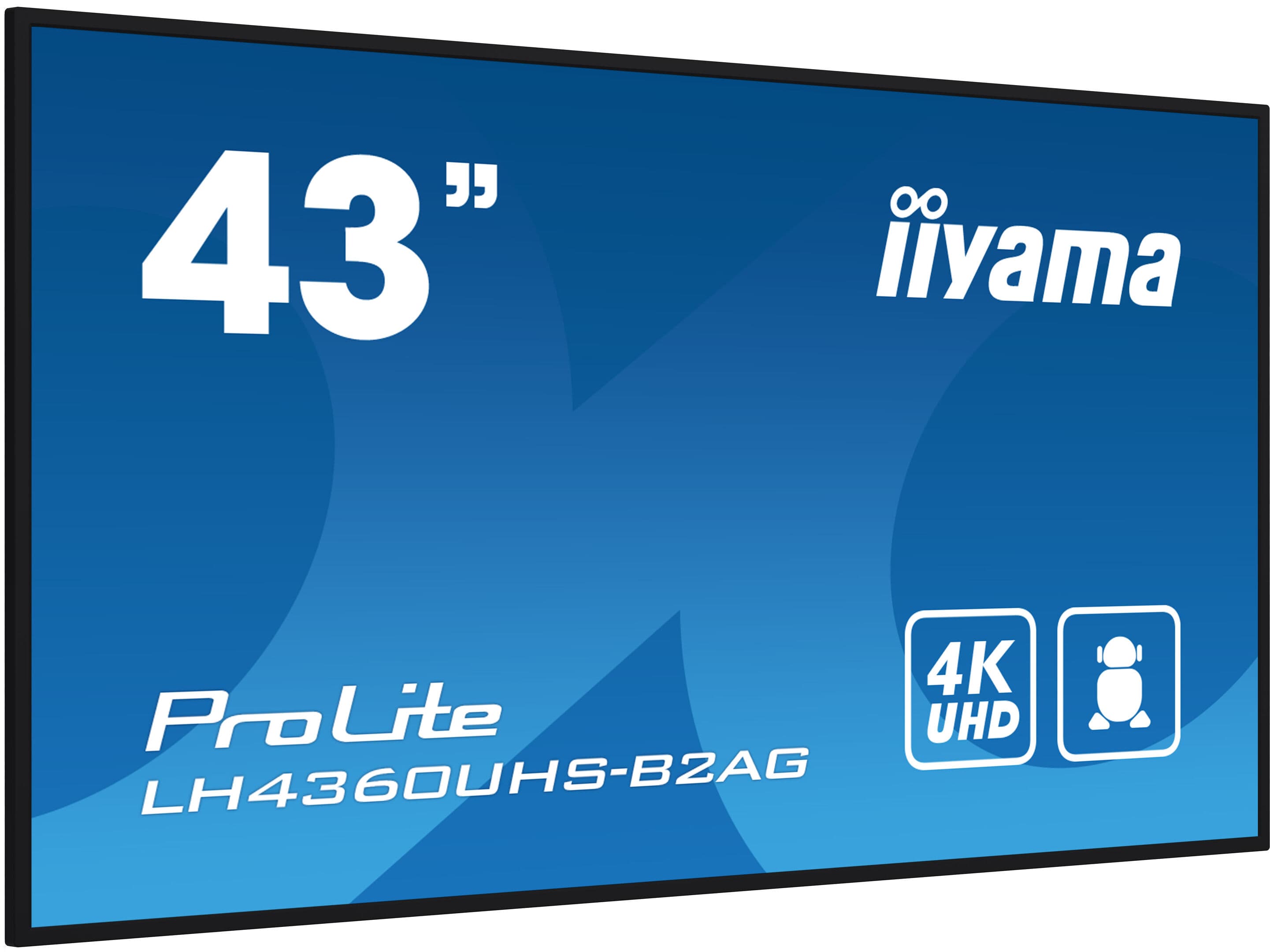
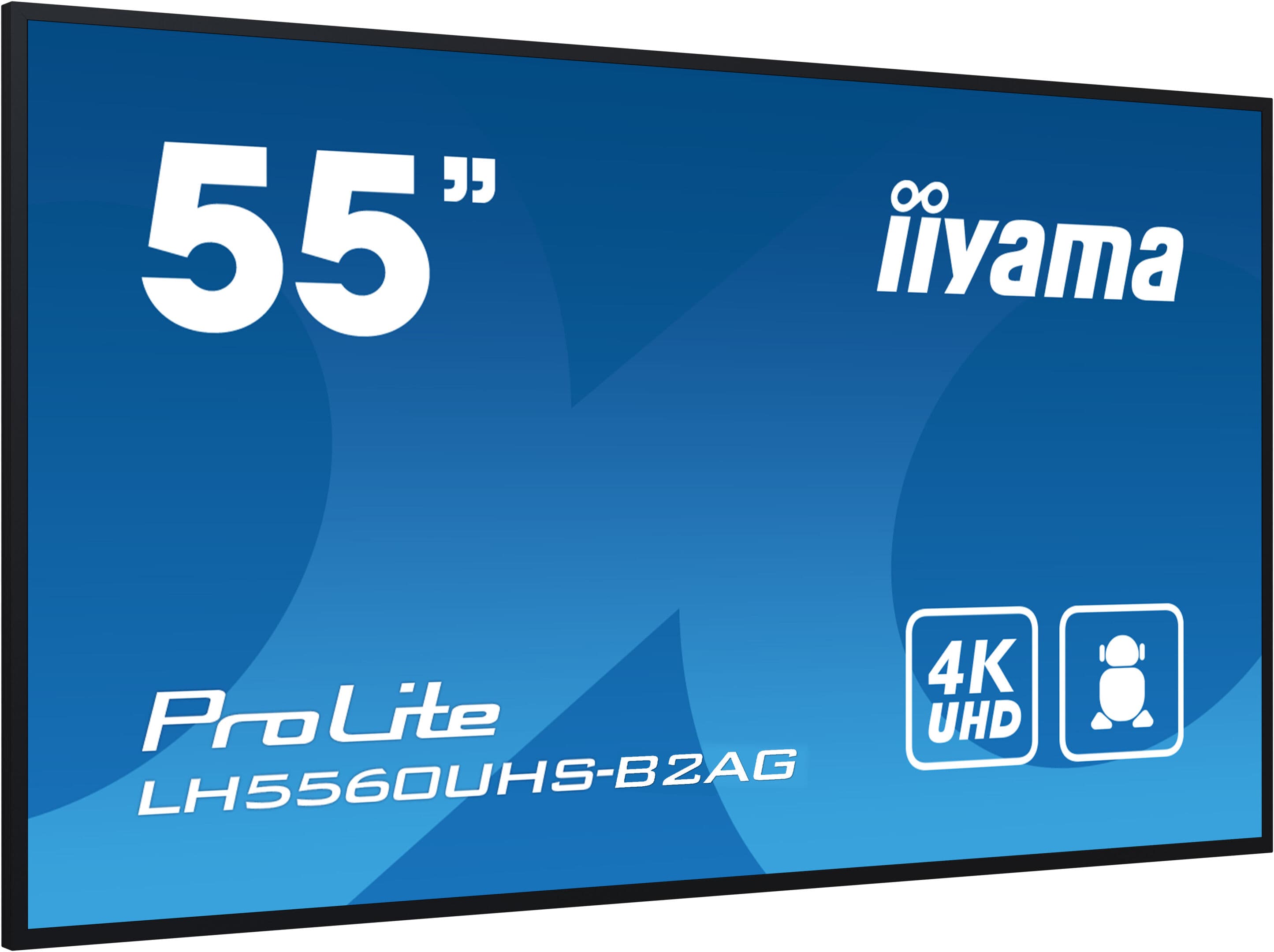
Hanging a TV in a store or lobby may seem inexpensive at first glance, but TVs are designed to operate for only a few hours a day. On a display showing the same image from morning to night, this quickly leaves burn-in marks on the panel, and the warranty often does not cover commercial use. Commercial-grade signage displays are engineered for continuous operation, vertical mounting, remote management, and brightness levels that ensure readability in bright store environments. The difference isn’t apparent on the initial invoice—it becomes clear in the second year.
Where You’ll Use It Determines the Screen
- Stores and showrooms: Campaign and product visuals; high brightness is required in locations near storefronts to counteract natural light.
- Lobbies and reception areas: Corporate promotion and wayfinding; typically mounted vertically and operating for extended periods.
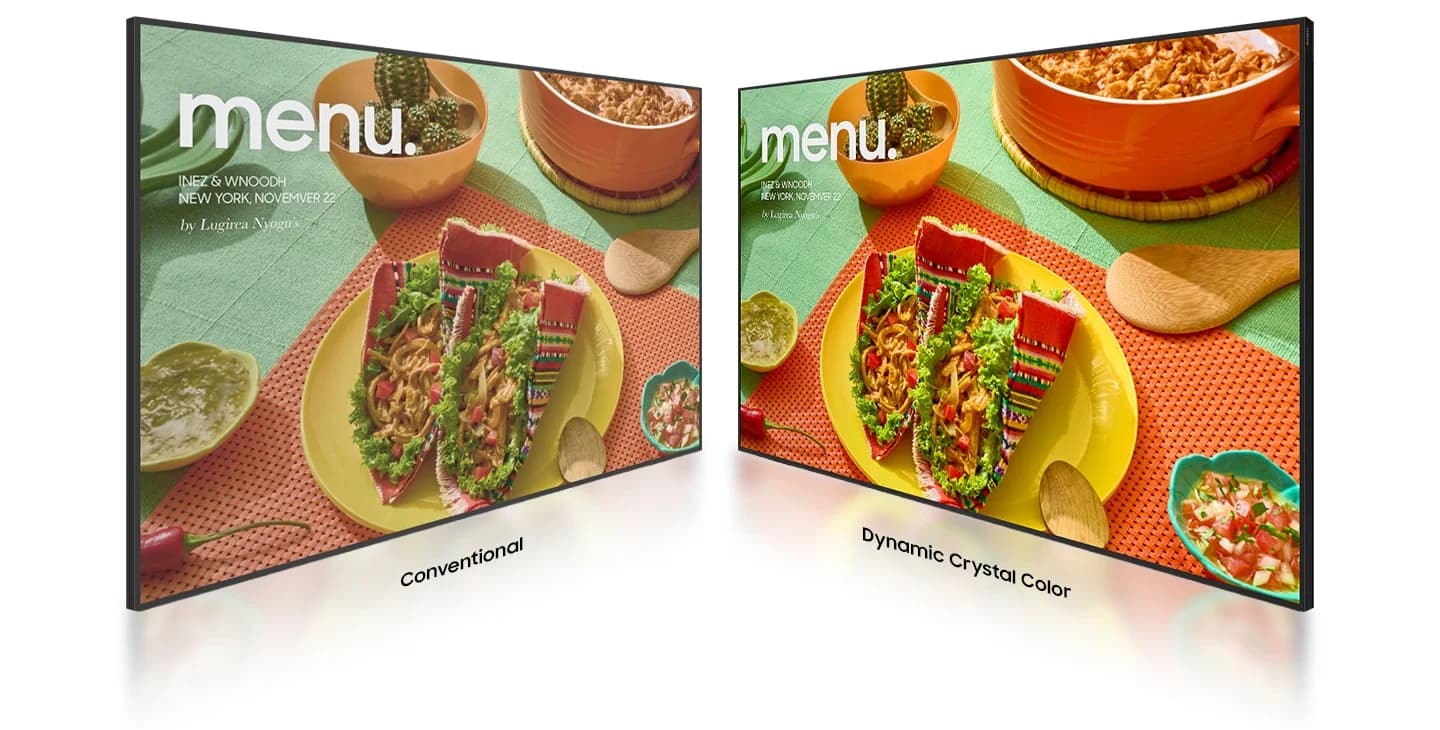
- Restaurants and cafes: Menu and price displays. The main benefit of digital menu board systems is the ability to update content centrally with a single click.
- Offices and production areas: Announcements, shift schedules, and performance displays; management software is essential since content changes frequently.
Screen Size, Brightness, and Mounting
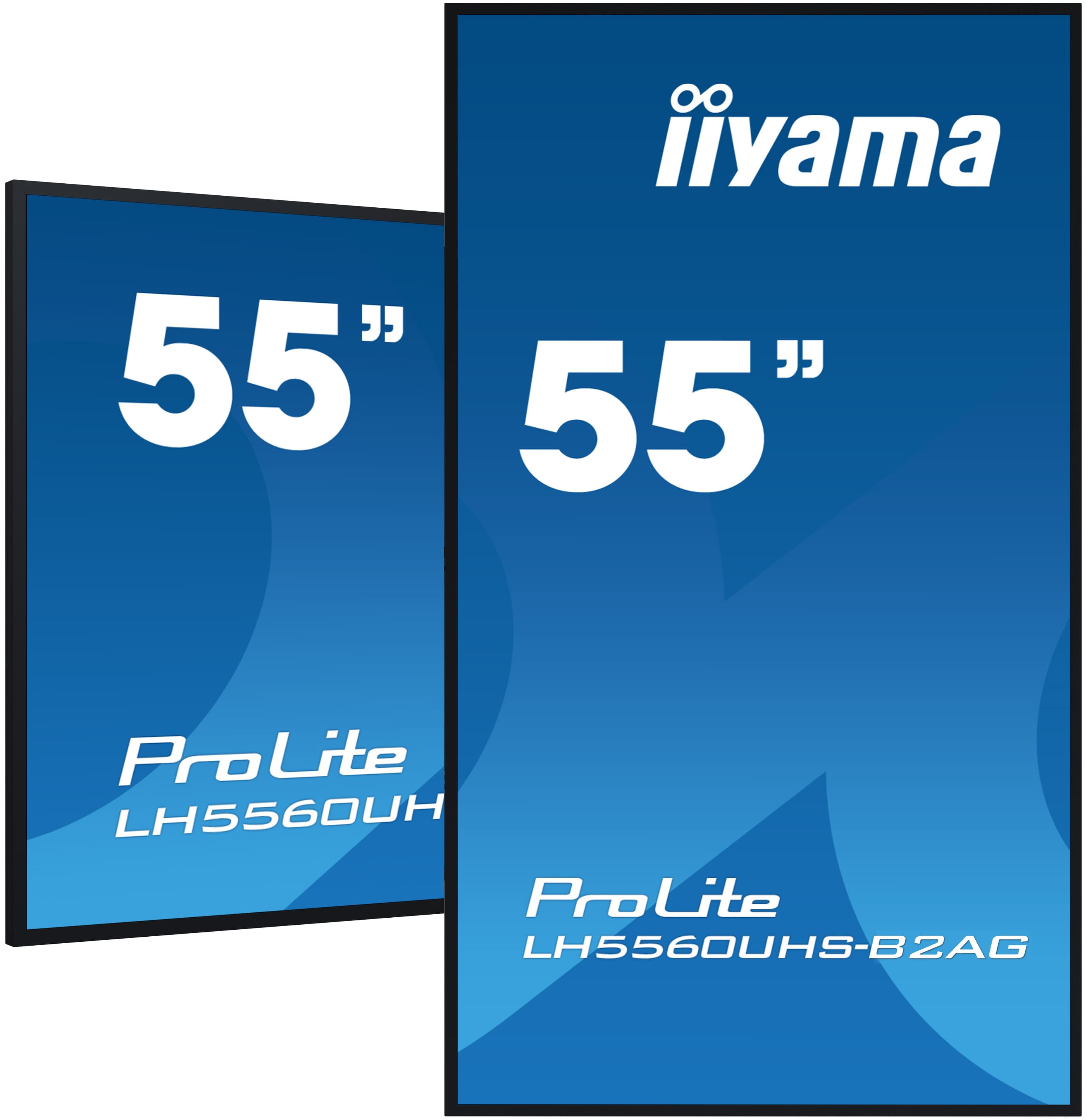
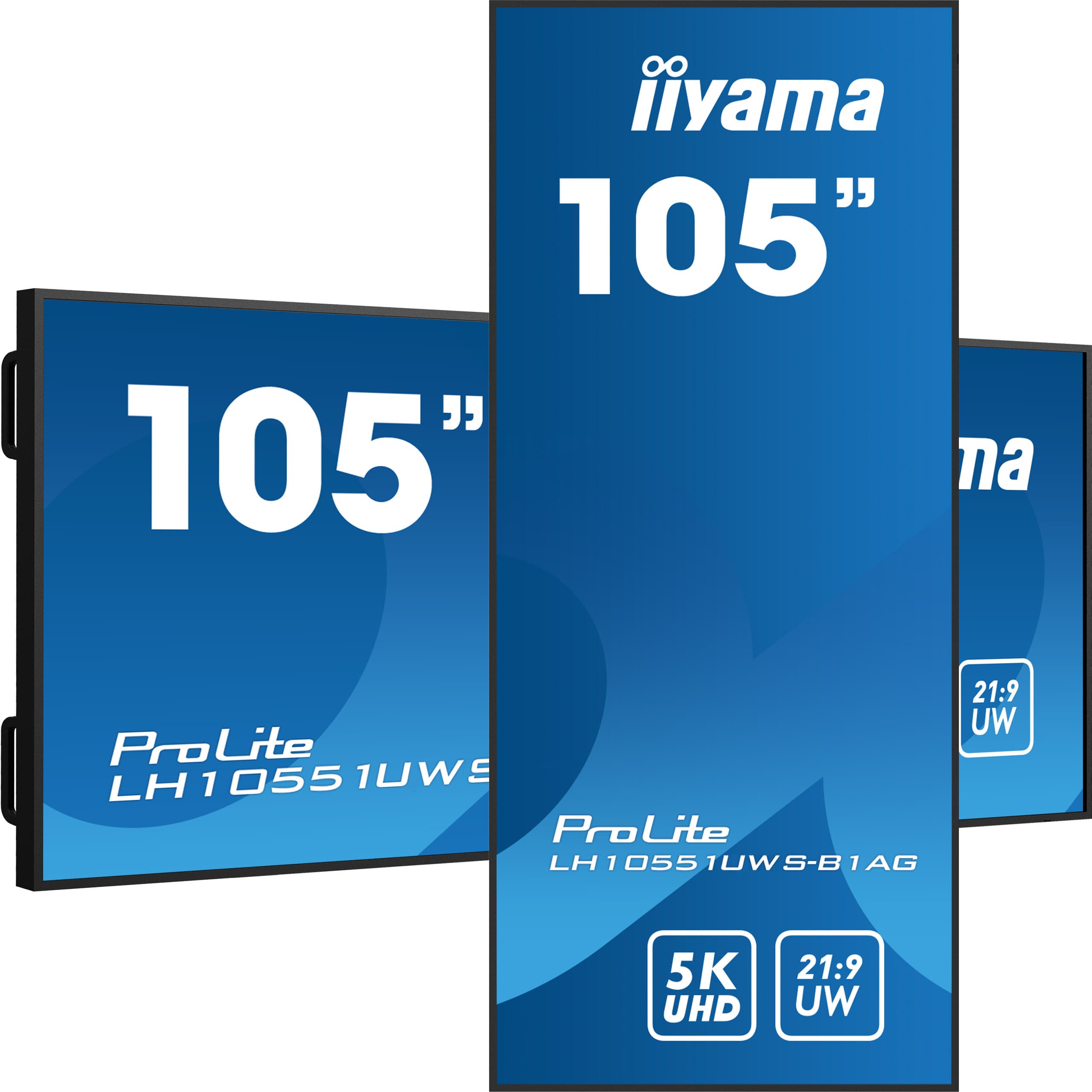
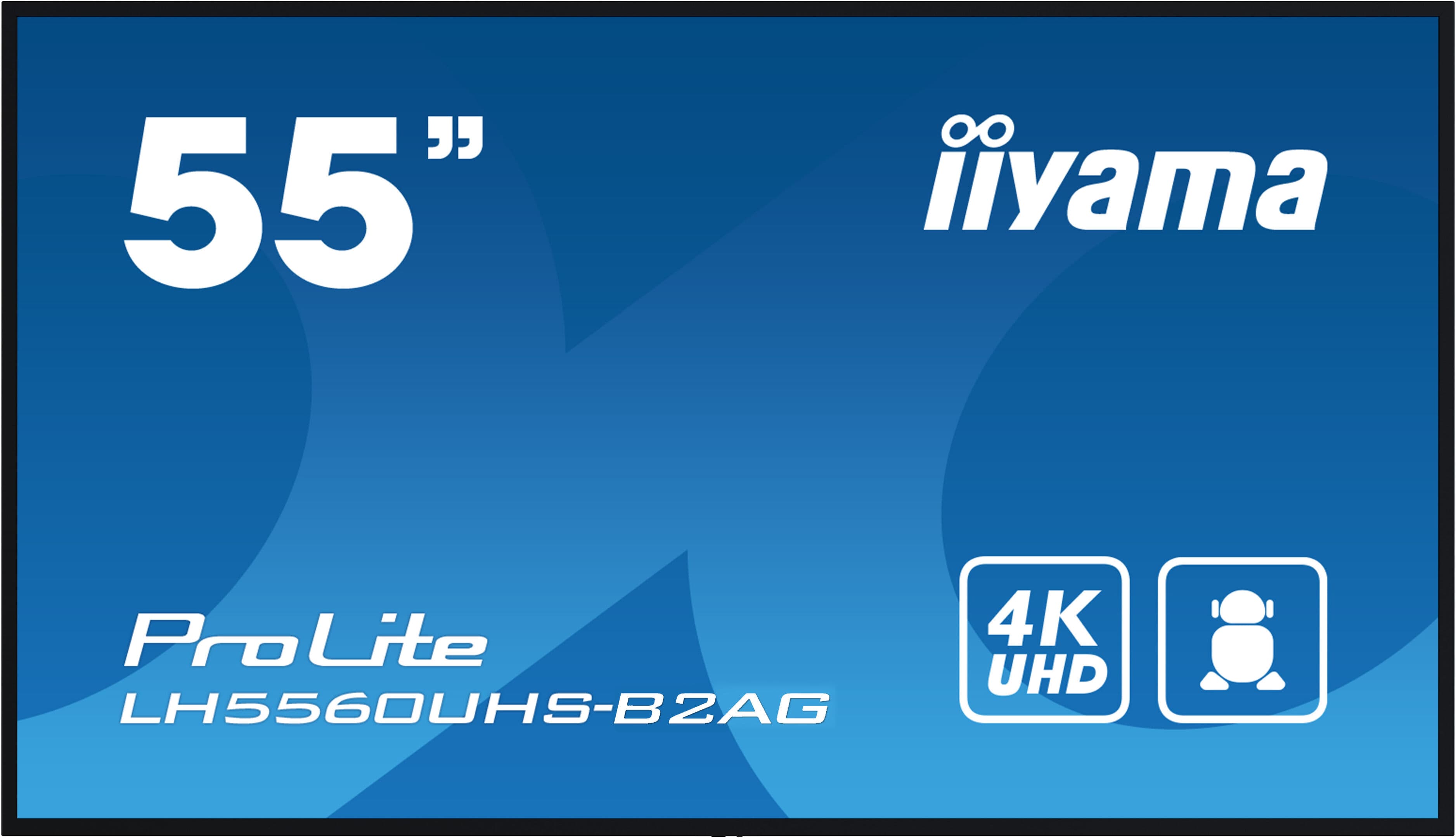
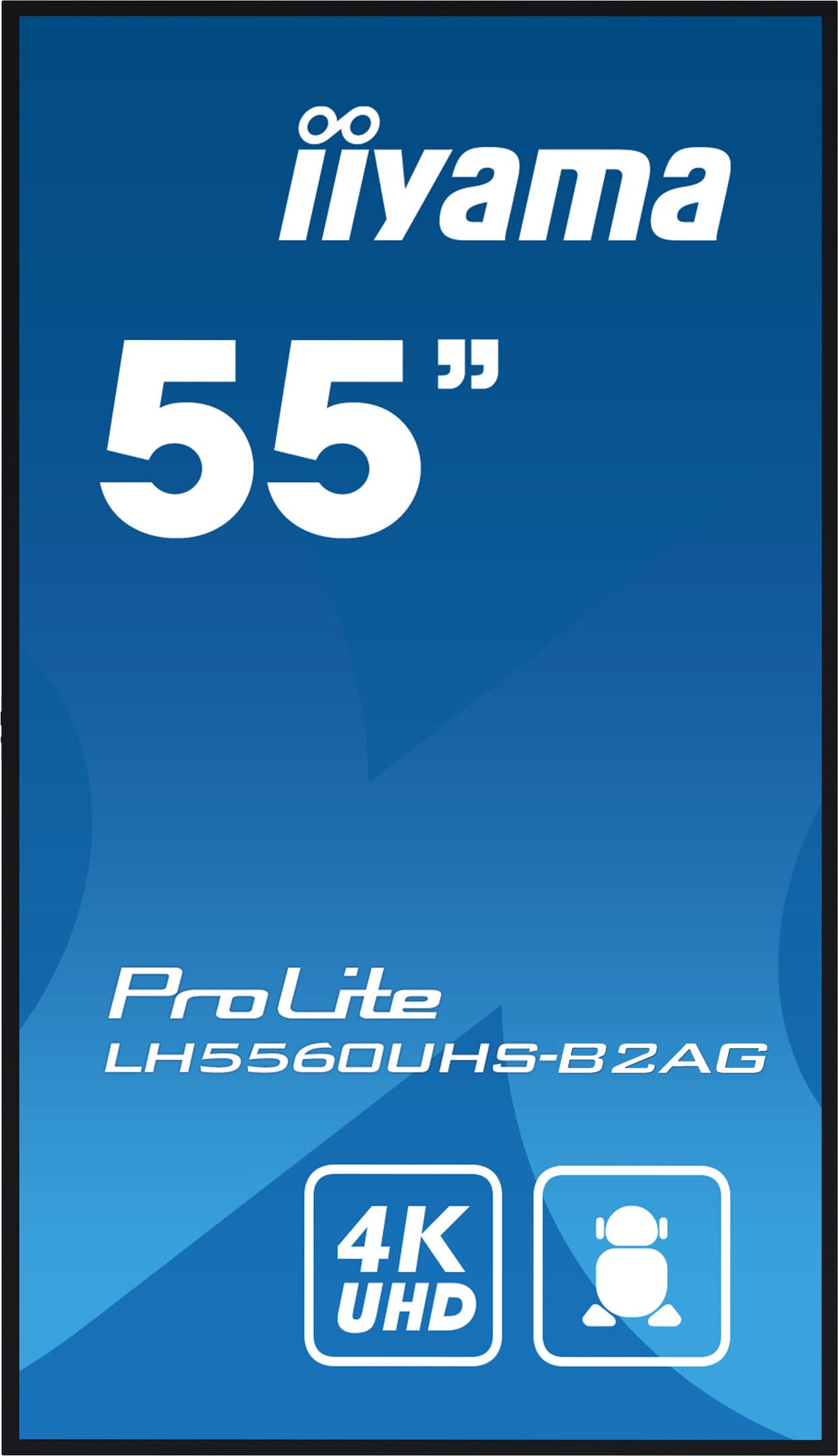
Size is determined based on the average viewing distance: while a 55-inch screen is easily readable in a lobby viewed from 3–4 meters away, the same screen appears too small in a 10-meter-long hallway. Ambient light dictates the brightness level; in locations facing storefronts or glass facades, standard indoor brightness is insufficient. Regarding installation, the wall type, cable routing, and location of the electrical outlet are all clarified during the site survey—resolving these issues later is the most costly part of the project.
How Do We Determine the Right Screen for Your Project?
We don’t expect you to simply look through a catalog and choose a model. Once we receive a photo of the installation site, along with information on how many hours the screen will be on, the viewing distance, and who will update the content, we present you with models that match these four criteria, along with their price ranges. Our product lineup evolves over time; we base our recommendations on your project’s requirements, not a static list of models. This ensures that the display you purchase today will continue to work seamlessly with any additional displays you add tomorrow.
Installation, Content Management, and Technical Support
Mounting the display is only part of the job. Our scope also includes setting up the broadcast source, configuring the displays to turn on and off remotely, and training the person who will manage the content. If you have a constantly updated broadcast schedule, our content management service takes over this burden entirely; our technical support service is available for any issues that arise after installation. For a comprehensive solution, take a look at our digital signage solutions.
Digital Signage Screen Prices and Quotation Process
Pricing is determined by screen size, brightness class, quantity, and the complexity of installation. Unit cost decreases as the quantity increases, so if you’re planning a phased installation, it’s in your best interest to mention this upfront. Share the installation location, number of screens, and daily operating hours; we’ll provide a single, all-inclusive quote that includes installation. You can reach us via our Contact page.