




Video Wall or a Single Large Screen?
We discuss this question at the beginning of most meetings because it directly affects the budget. There’s a limit to the size a single screen can reach; beyond that limit—or in setups requiring high resolution—panels need to be arranged side by side. The real advantage of a video wall isn’t size—it’s flexibility: you can display a single large image across the entire surface, or you can connect each panel to a separate source. In control rooms, this second feature is a deciding factor.
How Much Space Do 2x2 and 3x3 Configurations Take Up?
You need to know early on whether you have enough wall space. A 2x2 matrix set up with 55-inch panels requires an area of roughly 2.4 x 1.4 meters, while a 3x3 matrix requires 3.6 x 2.1 meters. You’ll also need to factor in the wall structure required to support the weight of the panels and the clearance needed for service access at the back. During the site survey, we measure the wall first and then decide on the matrix configuration.
Frame Thickness Divides the Image
The only thing that stands out in side-by-side panels is the seam between the screens. The thinness of this seam is determined by the panel’s frame thickness and is one of the features that most significantly affects the price. While a difference of a few millimeters goes unnoticed on a showroom wall viewed from a distance, the same difference becomes distracting in a control room where the operator sits just a few meters away. The viewing distance dictates how thin a frame you need; there’s no point in paying for a frame that’s thinner than necessary.
Control Rooms and Showrooms Have Different Requirements
In control rooms, the system runs 24/7, displays multiple sources simultaneously, and requires the operator to be able to change the screen layout on the fly; here, the control software is just as important as the panel itself. In showroom and lobby installations, however, visual impact takes precedence: a single large image, seamless seams, and consistent color matching are key. The equipment lists and installation times for these two scenarios differ significantly.
Mounting System, Calibration, and Technical Service
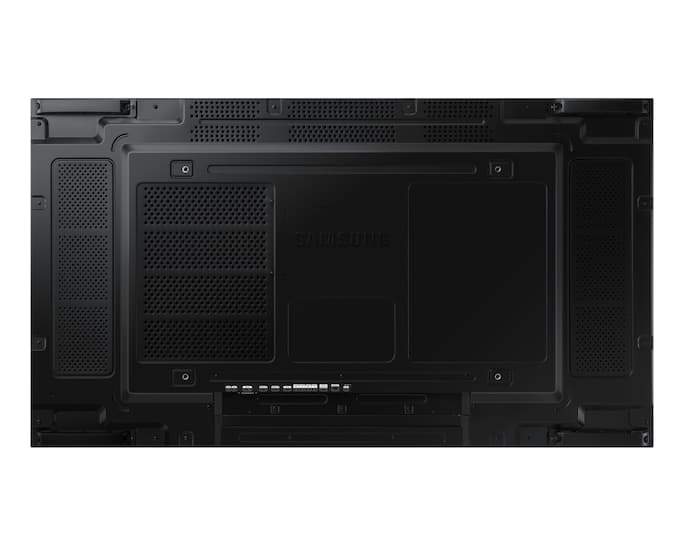
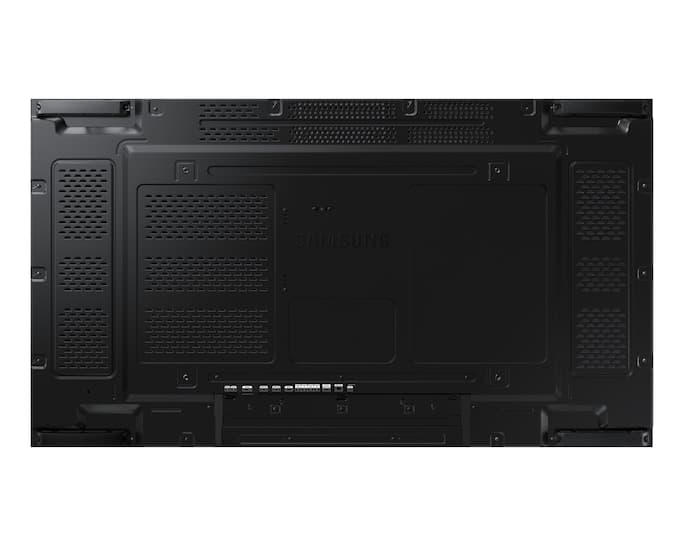
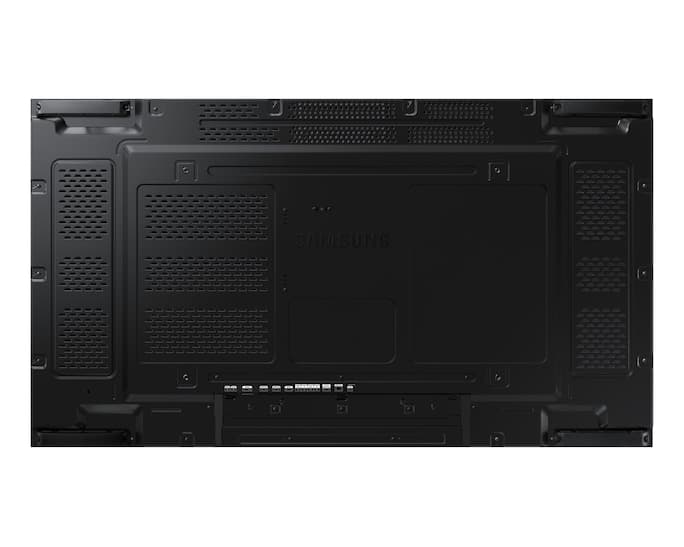
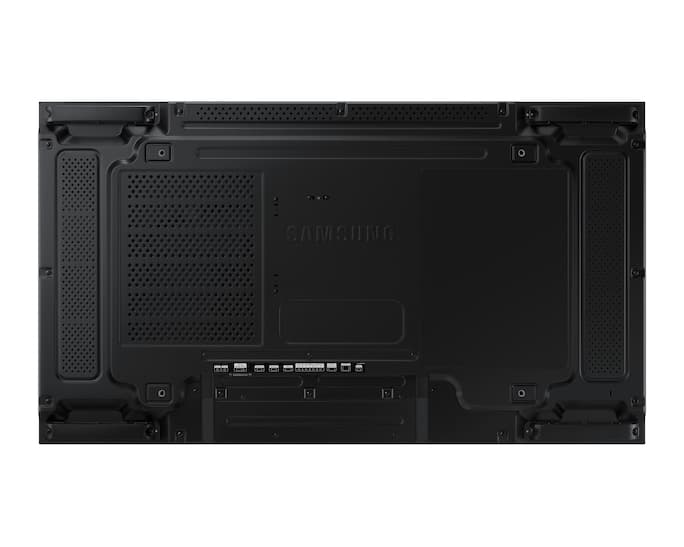
In a video wall, the mounting system is just as critical as the product itself. Special mounting systems are used to ensure millimeter-precise alignment of the panels and to allow each panel to be pulled forward individually for servicing; this structure cannot be added later—it must be planned from the outset. After installation, we perform color and brightness calibration on the panels and deliver the system fully operational. In the event of a malfunction, our technical support service ensures the system remains operational with the replacement of a single panel. If you’d like to compare alternatives, you can also explore LED displays and signage displays for standalone installations, or review our video wall system solutions for a comprehensive setup.
Video Wall Pricing and Quotation Process
The total cost is determined by the number of panels, frame thickness, mounting system, and control software; installation and calibration are billed separately. Please share the wall dimensions, viewing distance, and the number of sources you wish to display simultaneously; we’ll provide matrix options along with prices that include installation. You can reach us via our Contact page.