
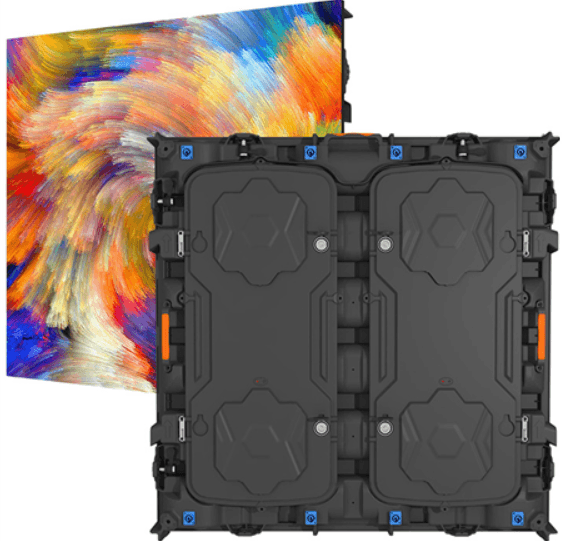
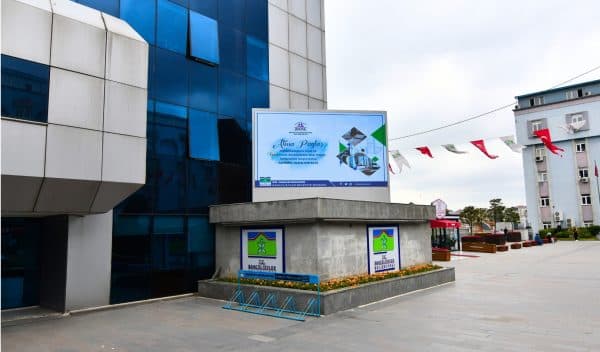

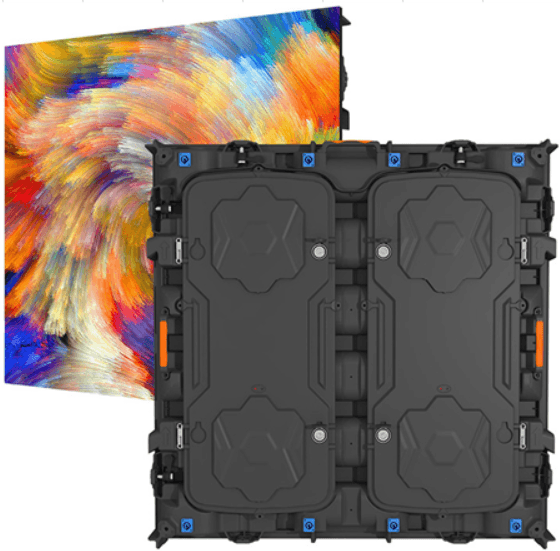
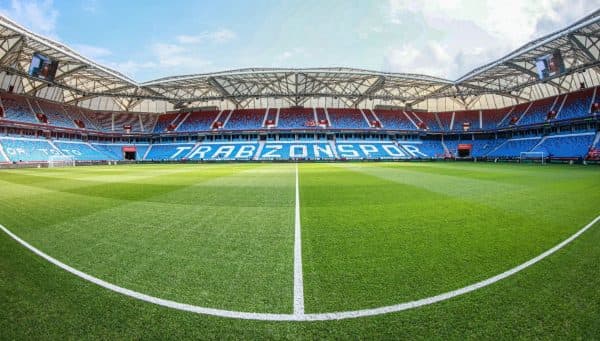
First Consideration: Will the Screen Be Installed Indoors or Outdoors?
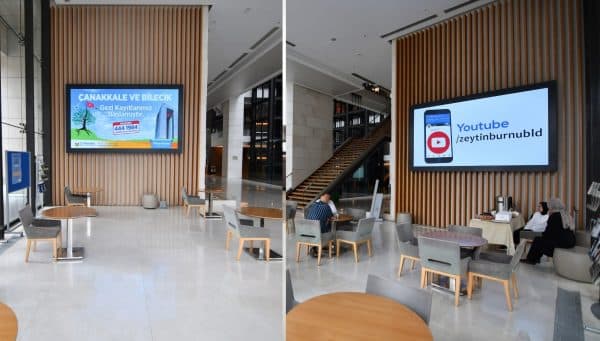
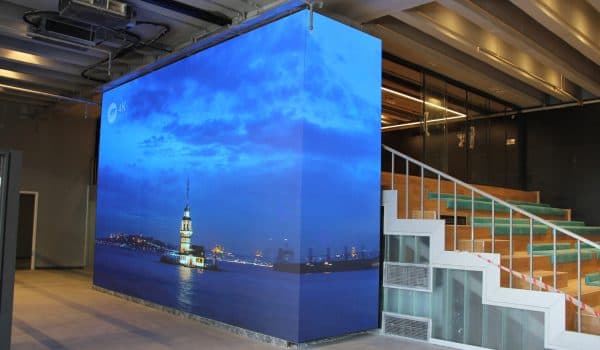
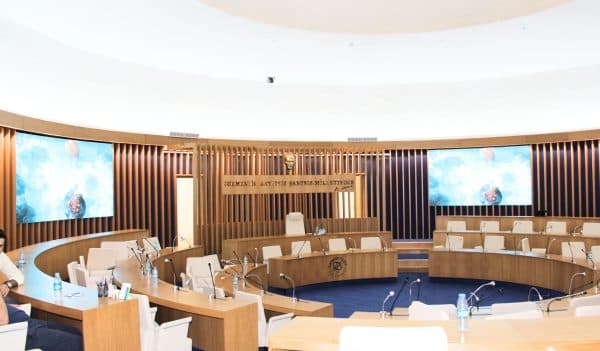
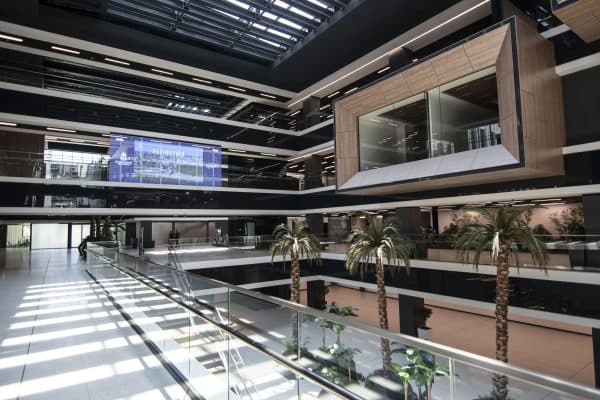
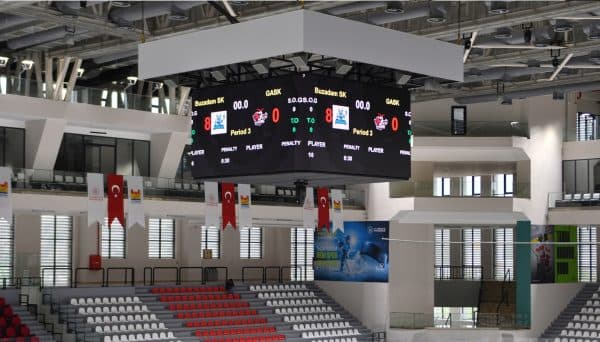
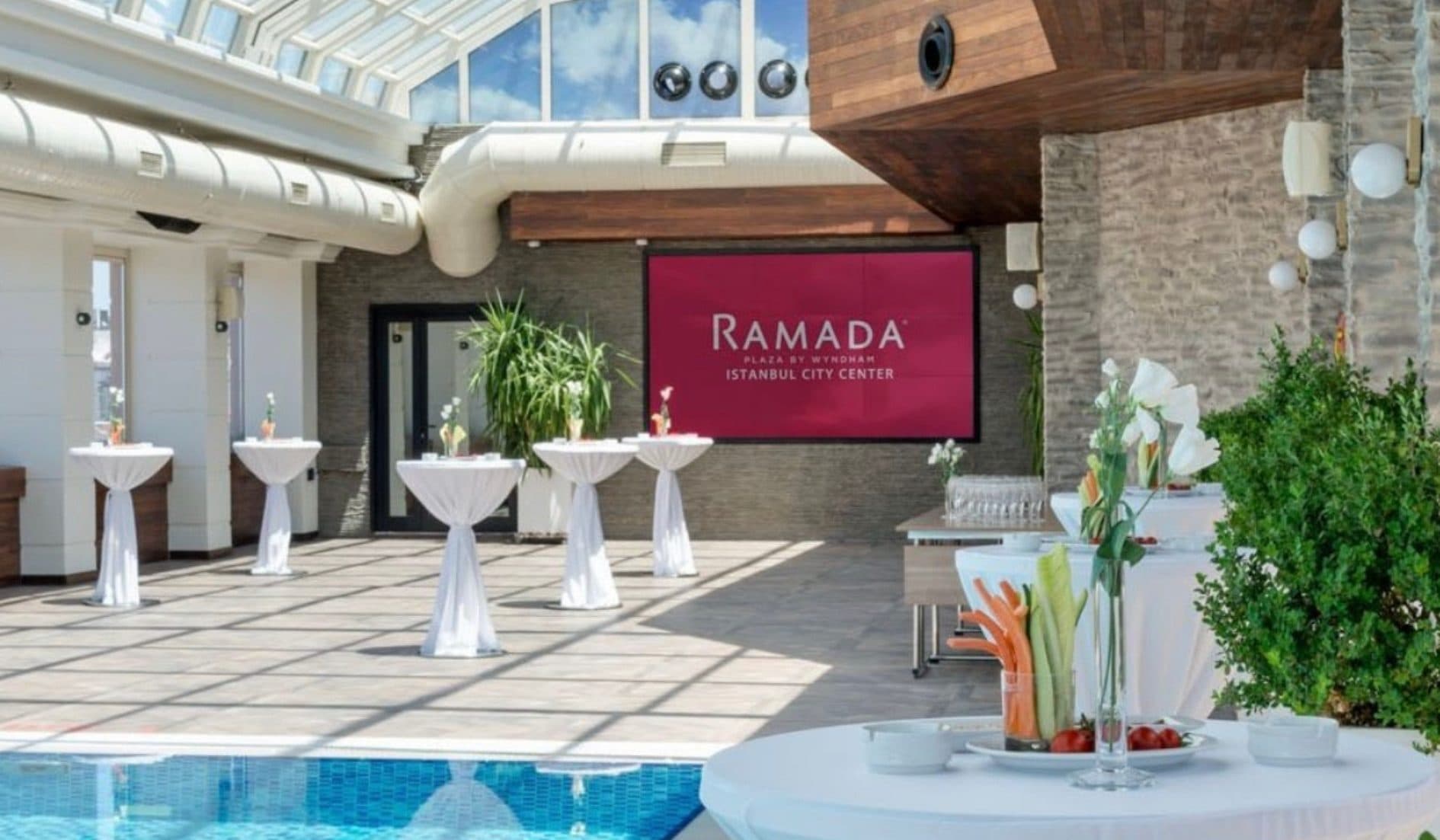
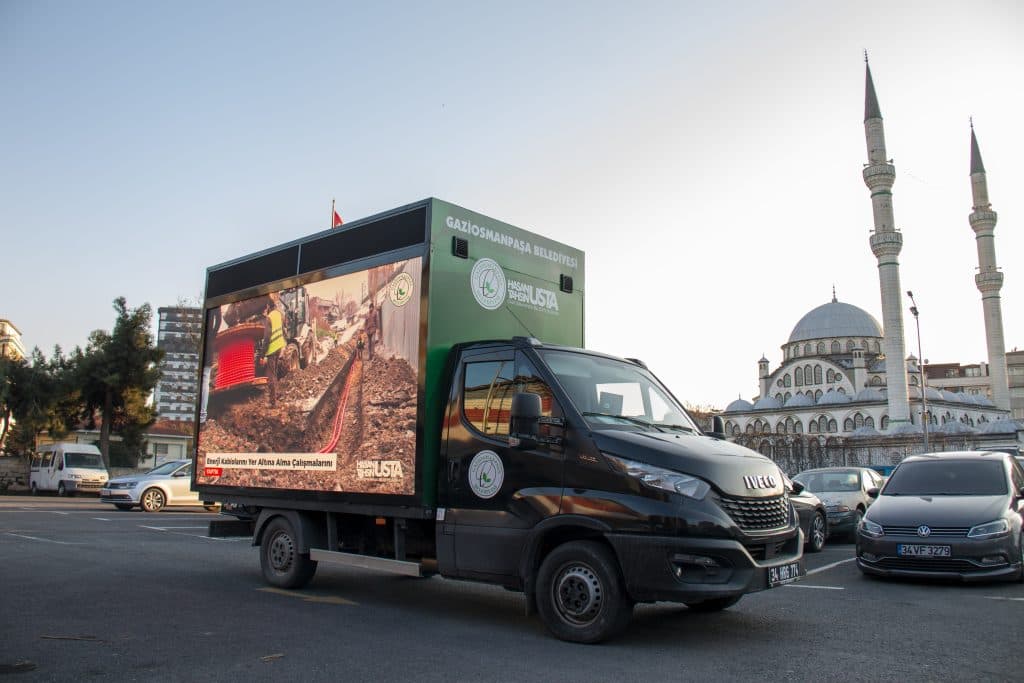
When we receive a request for an LED screen, the first thing we clarify is the installation location. For indoor screens, the priority is ensuring the image looks smooth when viewed up close. For outdoor screens, however, the main concerns are brightness and durability: they must be readable in daylight and withstand rain, dust, and temperature fluctuations for years. For this reason, the cost and scope of installation for these two types of screens differ significantly; a quote provided without knowing the installation location will not reflect the actual cost.
Why Is Pixel Pitch Central to the Budget?
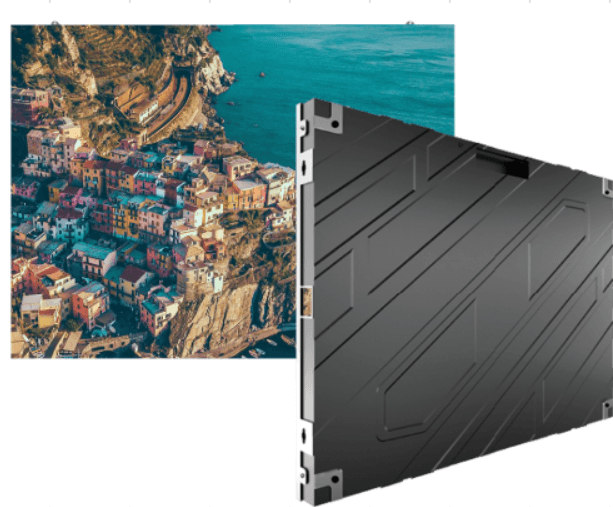
Pixel pitch is the distance between two LED dots and is the feature that most significantly affects the price. As the pitch decreases, more LEDs fit onto the same surface area, the image appears smoother up close, and the cost increases. Here’s the key point: beyond a certain point, this level of sharpness offers no benefit to the viewer. If the viewer is ten meters away from the screen, no one will notice the difference you paid for a much smaller pixel pitch. The correct pixel pitch is selected based on the closest viewing distance—choosing one that’s smaller than necessary unnecessarily inflates the budget.
How Is Screen Size Determined?
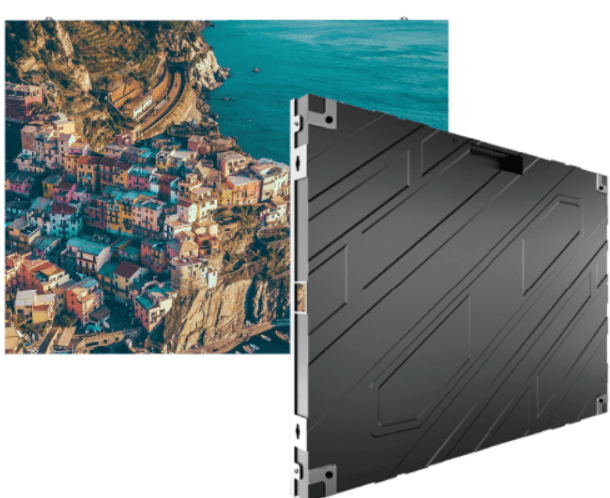
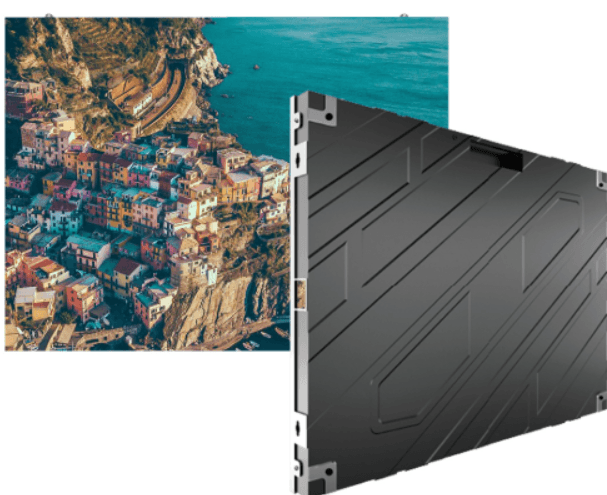
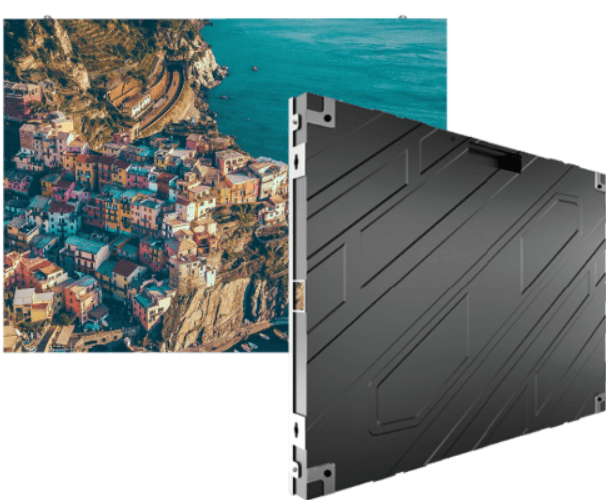
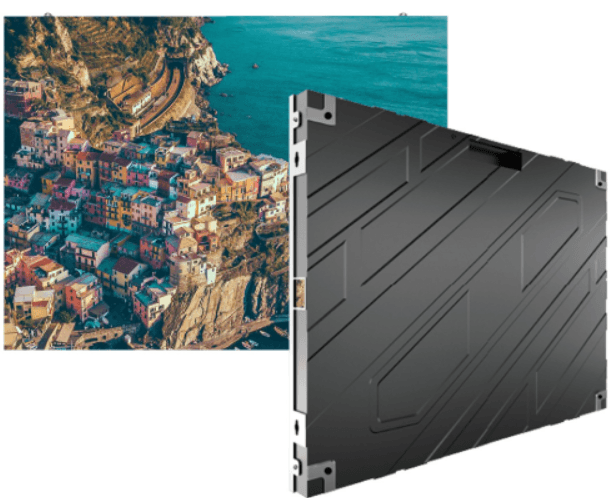
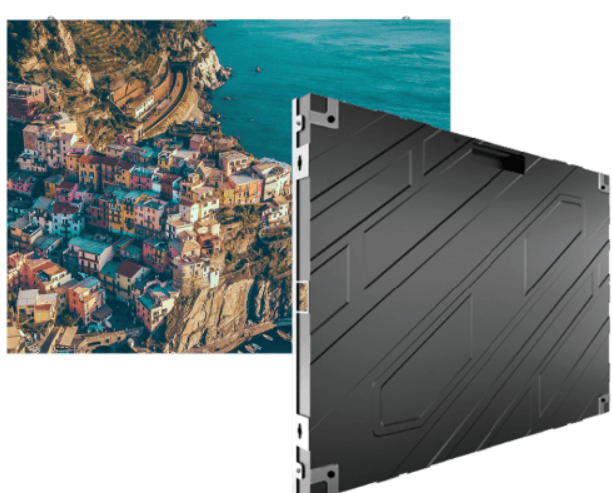
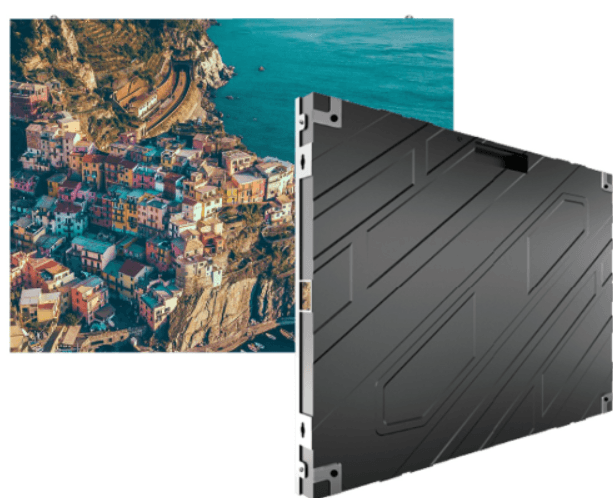
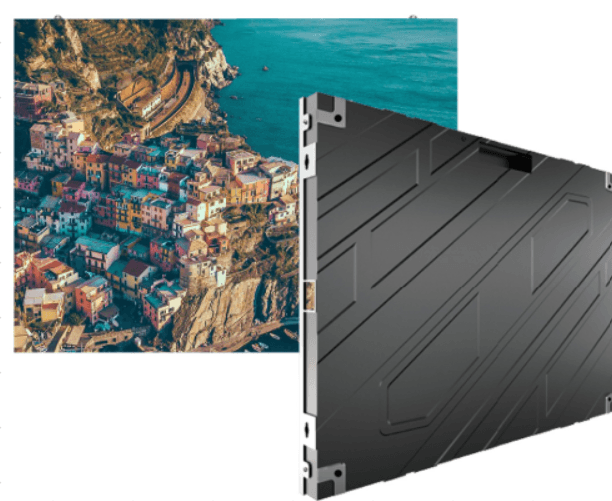
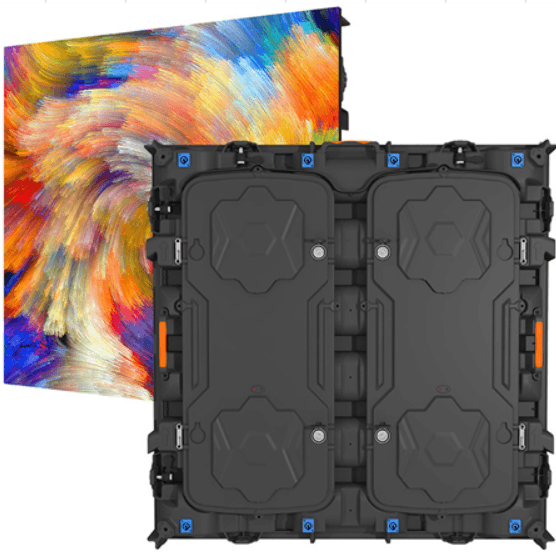
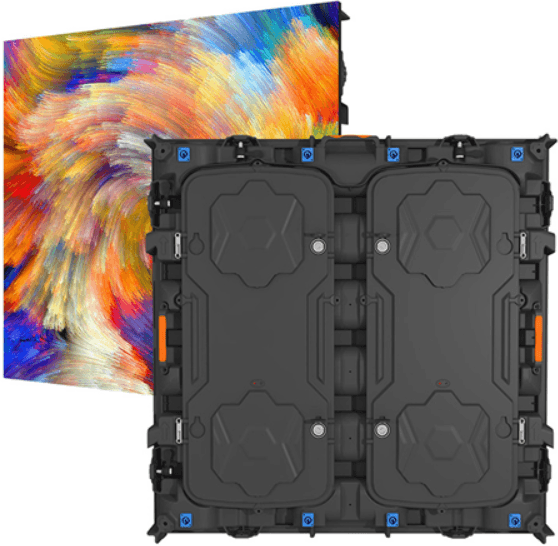
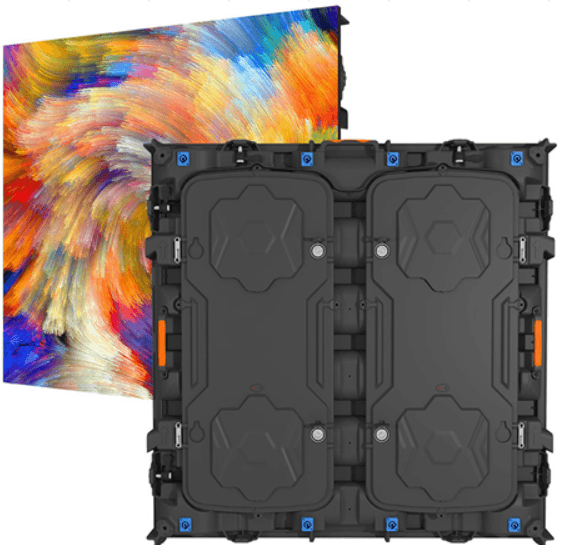
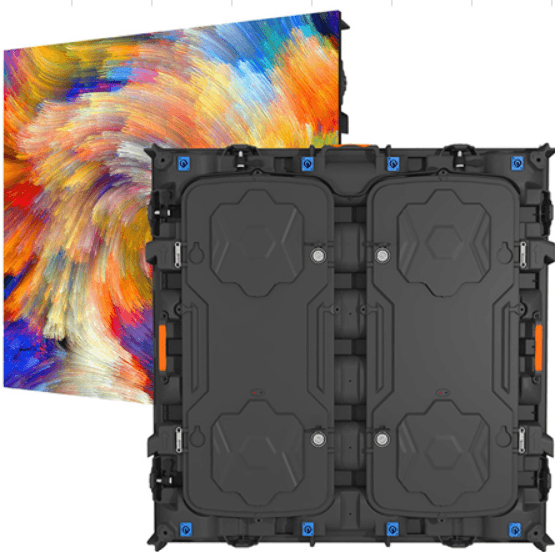
LED screens have a modular structure: cabinets of specific sizes are arranged side by side and stacked on top of each other to form the desired surface. This means the screen can be any size you want; however, the size isn’t arbitrary—it’s determined as multiples of the cabinet size. In practice, we first measure the available wall space, then determine the cabinet combination that best fits that space. The supporting structure and electrical capacity required for the screen are also planned at this stage.
Applications by Usage Area
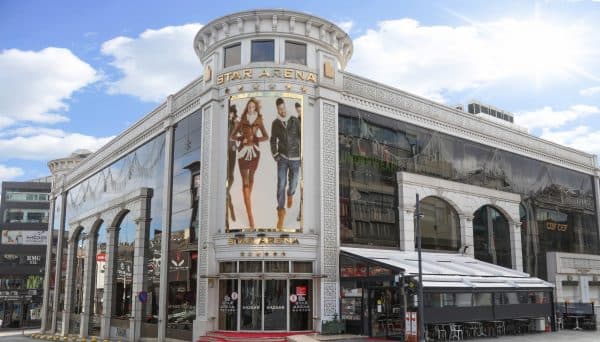
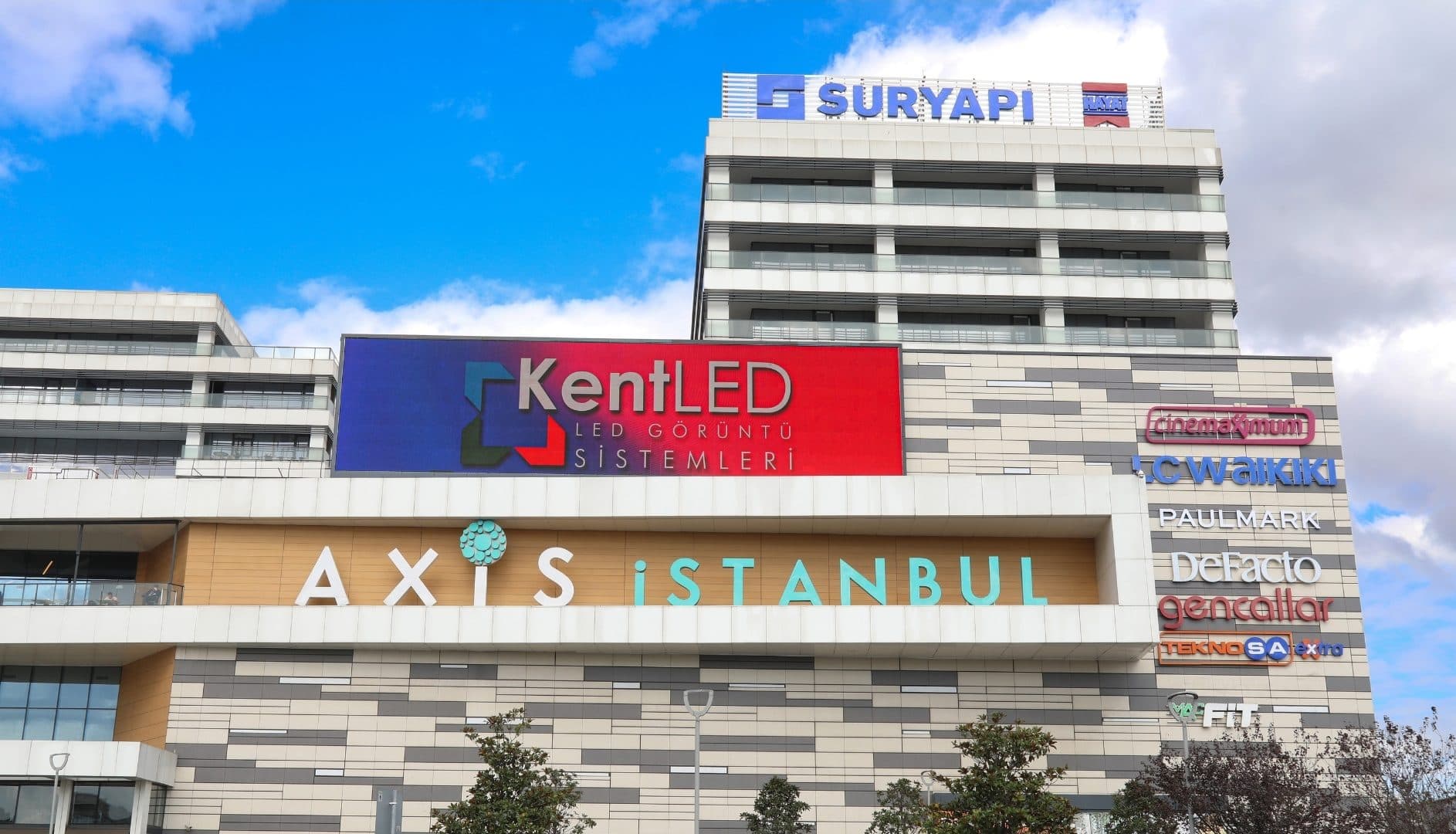
- Facades and Advertising: High brightness and full protection against weather conditions are required on building facades or along roadsides.
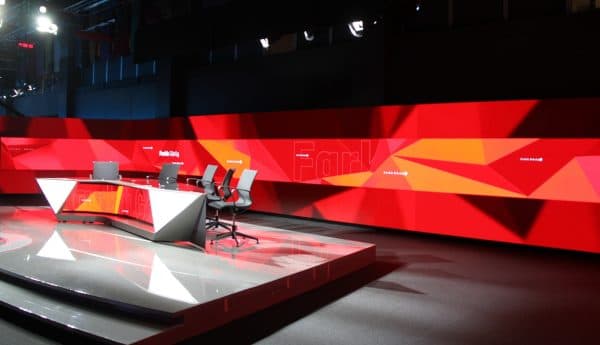
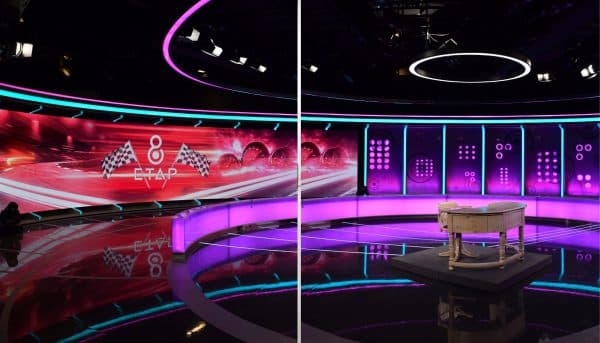
- Stage and Event Areas: Large surfaces, viewing from a distance; the image is expected to be vivid and high-contrast.
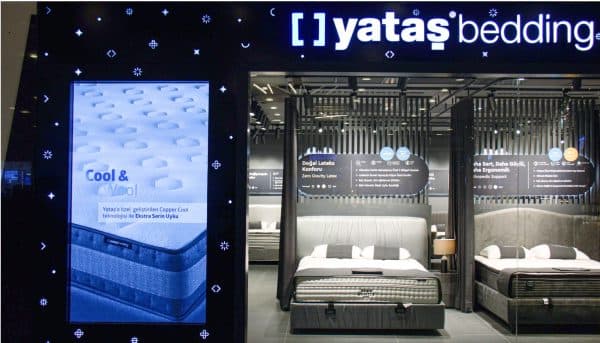
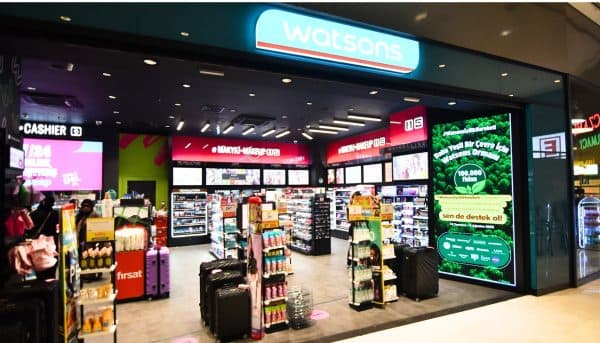
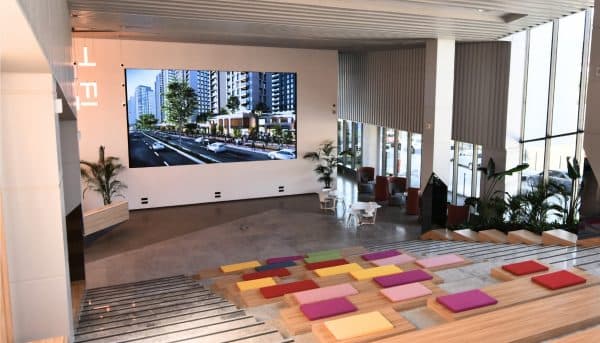
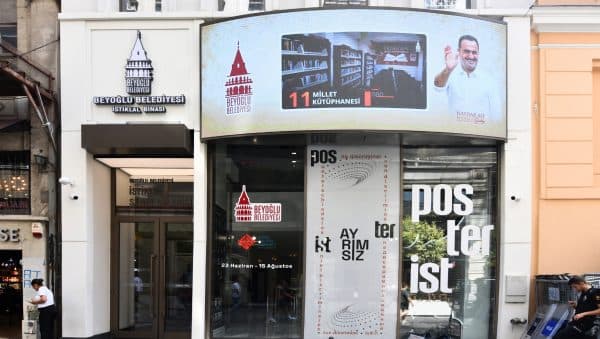
- Stores and Lobbies: Locations viewed up close; here, a small pixel pitch directly impacts image quality.
- Control Rooms and Studios: Continuous operation and color accuracy are priorities; performance is evaluated in comparison to video walls.
Installation, Commissioning, and Technical Service
LED screen installation does not end with product delivery. The support structure, electrical infrastructure, control unit location, and cable routing are all planned together during the site survey; after installation, color and brightness calibration are performed, and the system is delivered in working condition. The greatest advantage of the modular design becomes apparent during service: a faulty module can be replaced individually without having to take down the entire screen. Our technical support services for post-installation, along with our LED screen solutions for comprehensive setups, are available. If you’d like to read the selection criteria in detail, our LED screen selection guide will help.
LED Screen Prices and the Quotation Process
The price is determined by the total surface area, pixel pitch, indoor/outdoor rating, and the complexity of the installation; the support structure and electrical work are also included in the quote. Please provide the installation location, approximate screen dimensions, and the viewer’s closest distance to the screen; we’ll compare suitable pixel pitches along with their prices, including installation. You can reach us via our Contact page.