
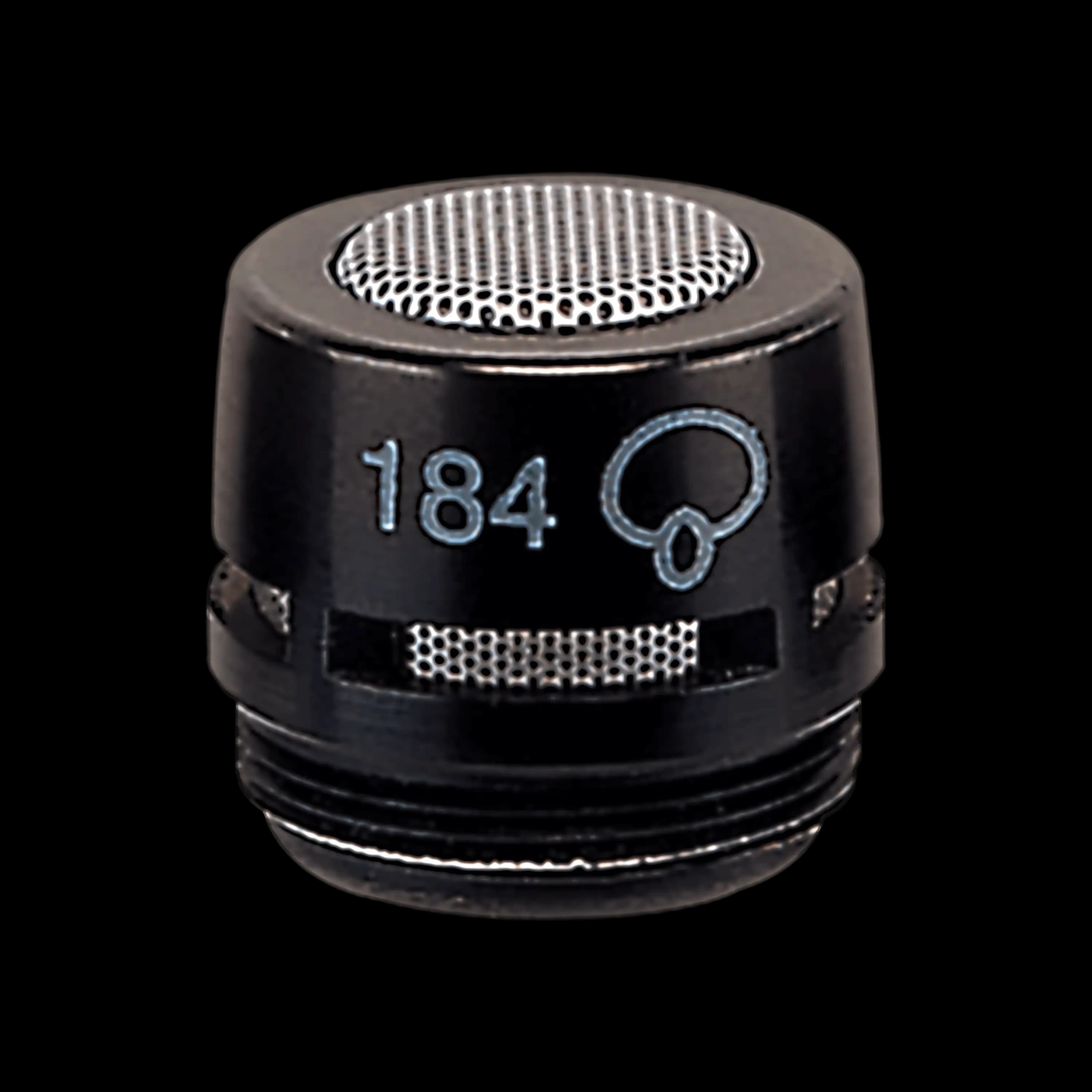
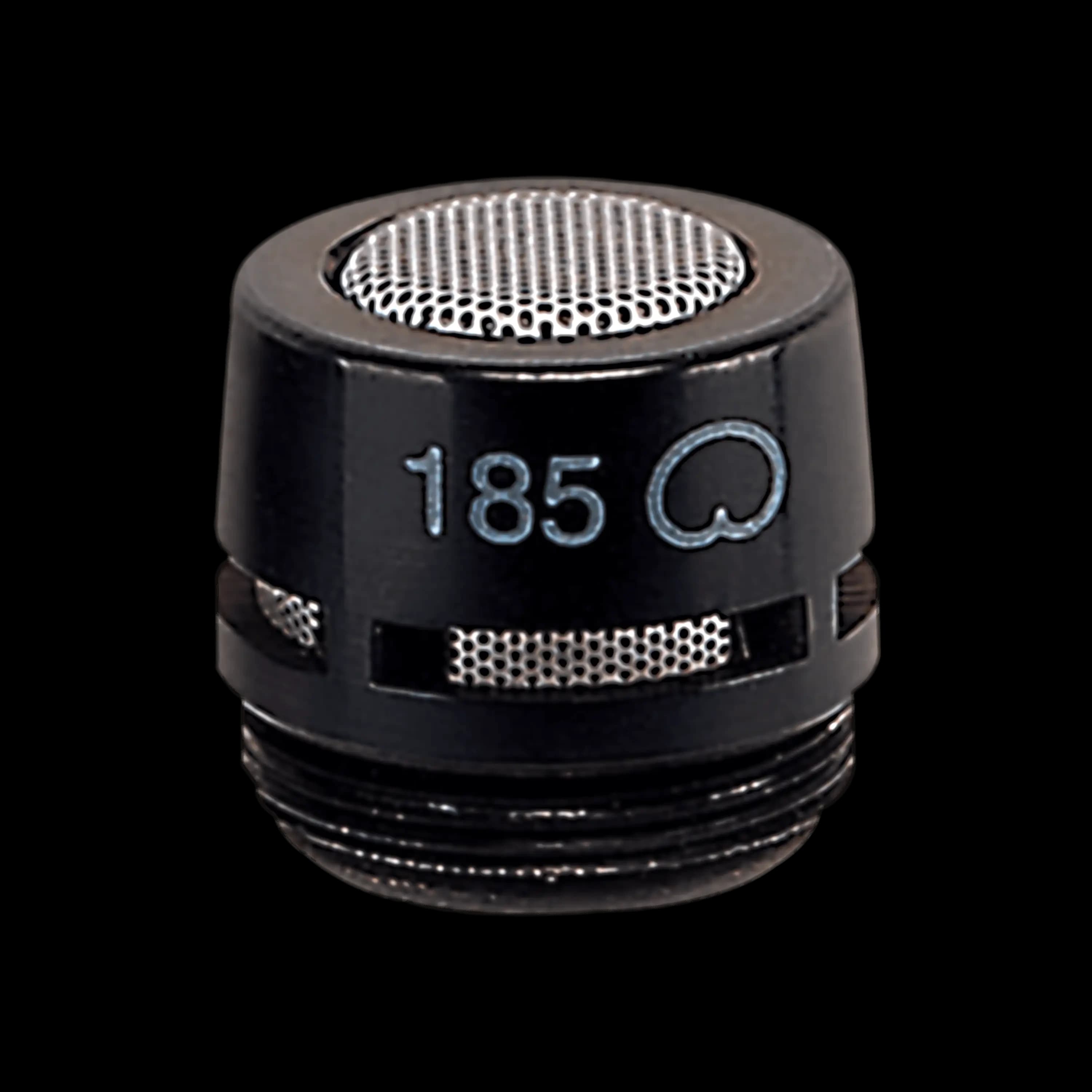
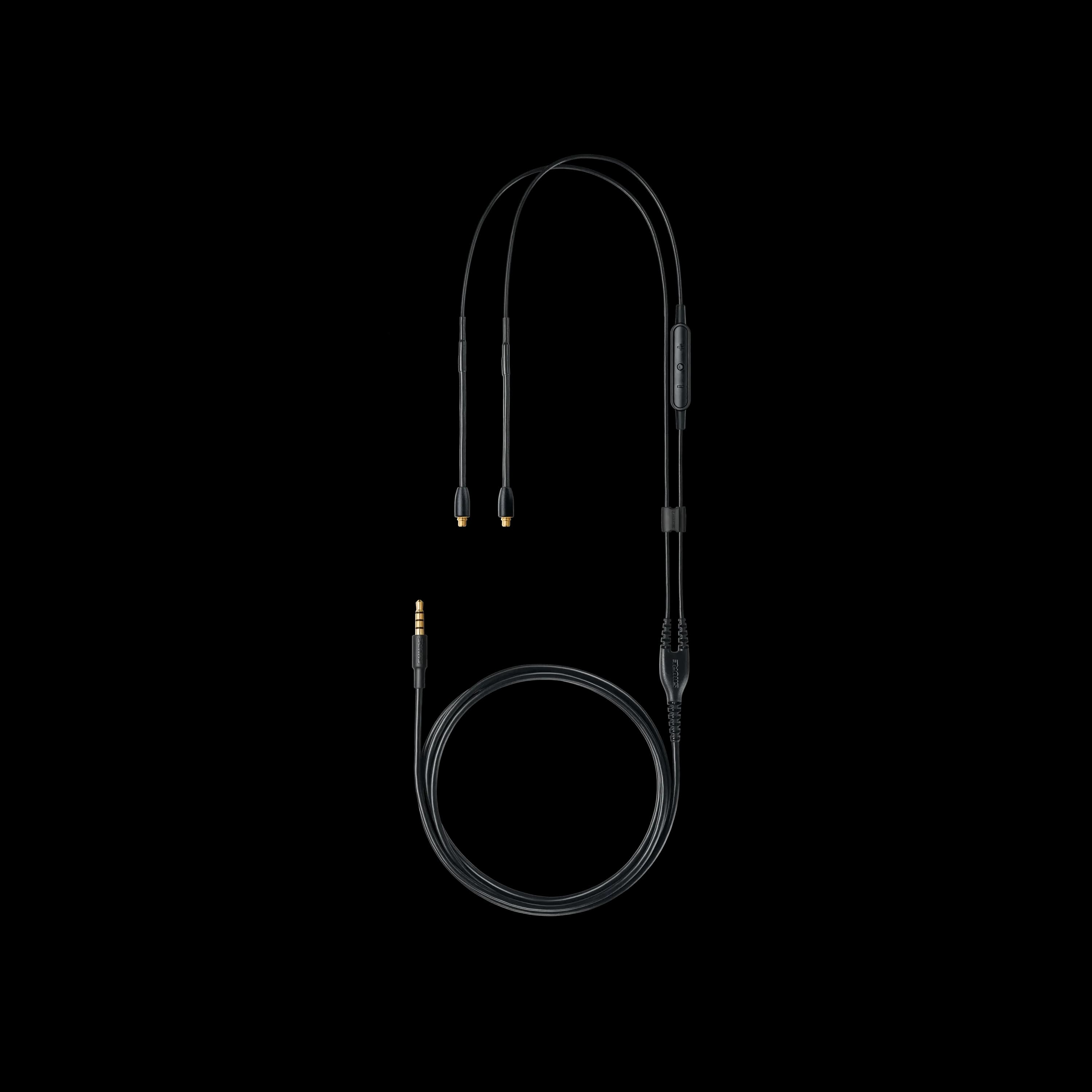
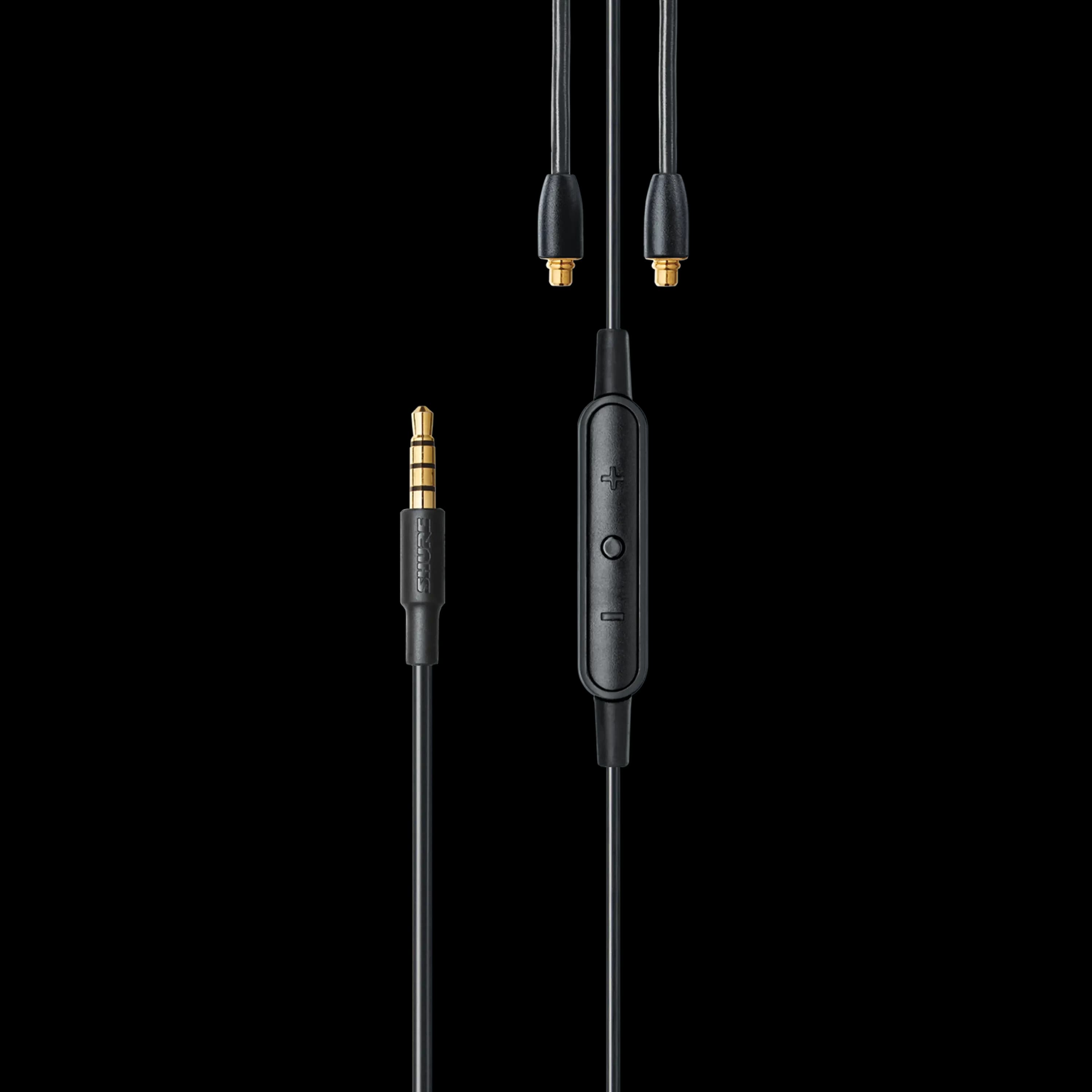
Choosing a Wireless Microphone Starts with How It Will Be Used, Not the Model Name
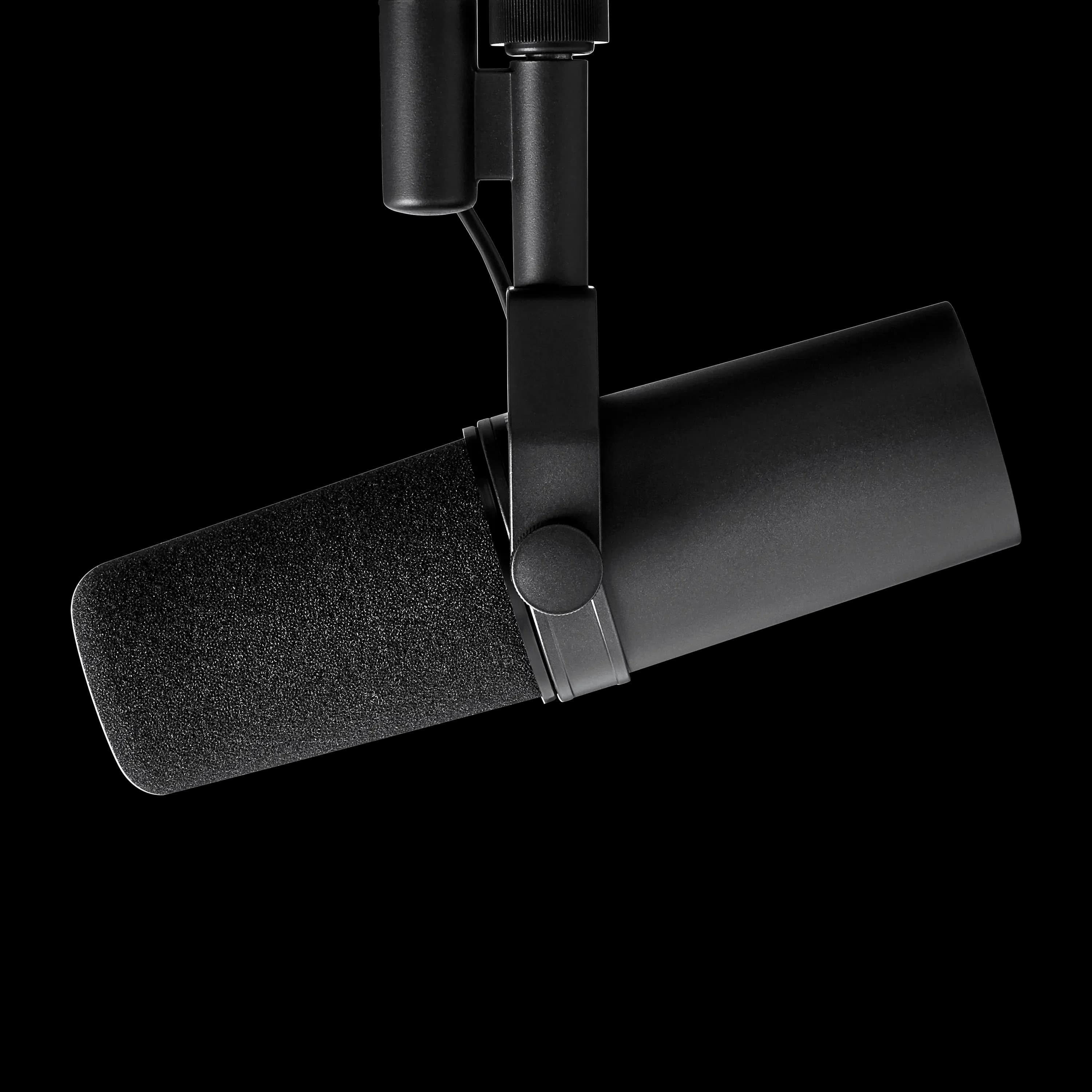
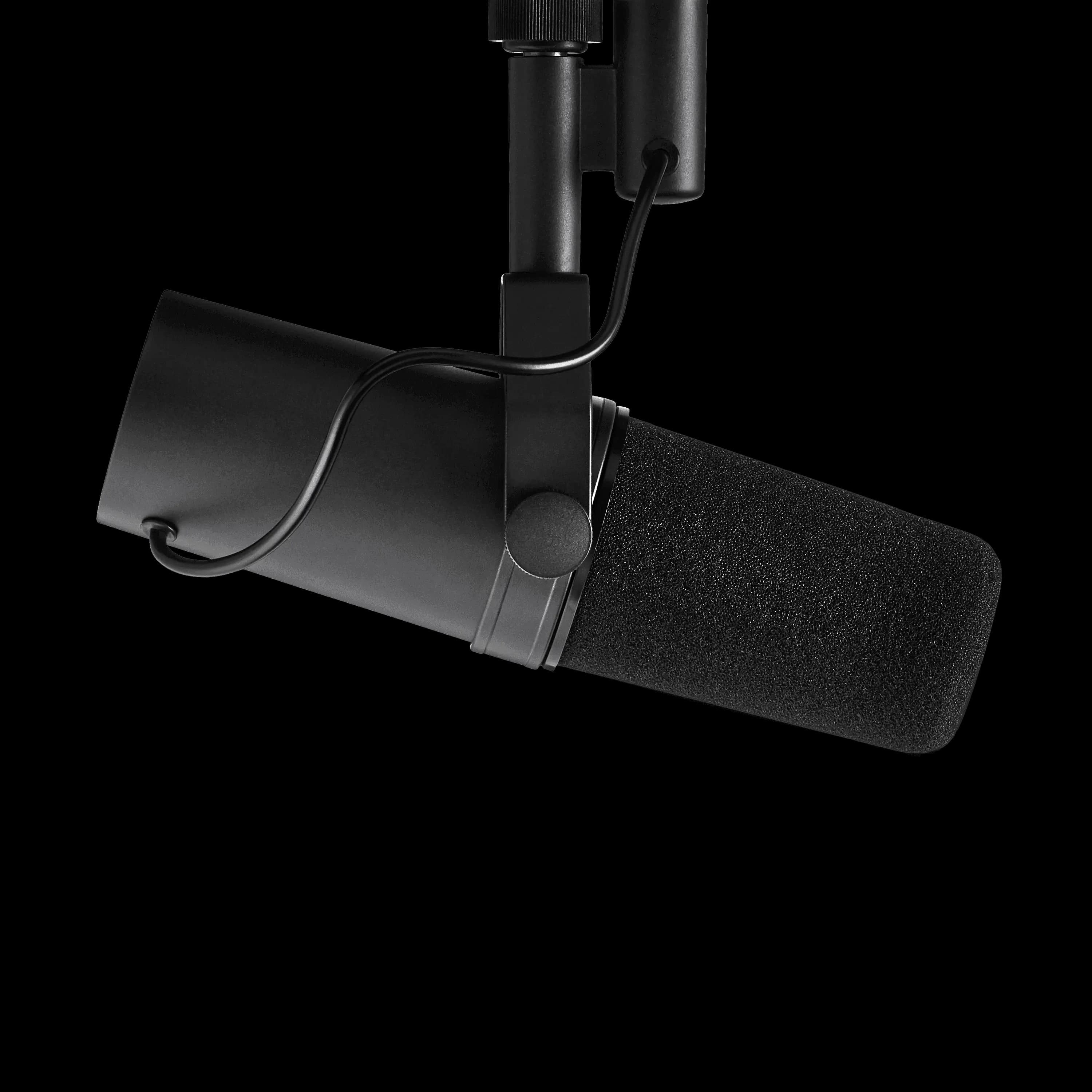
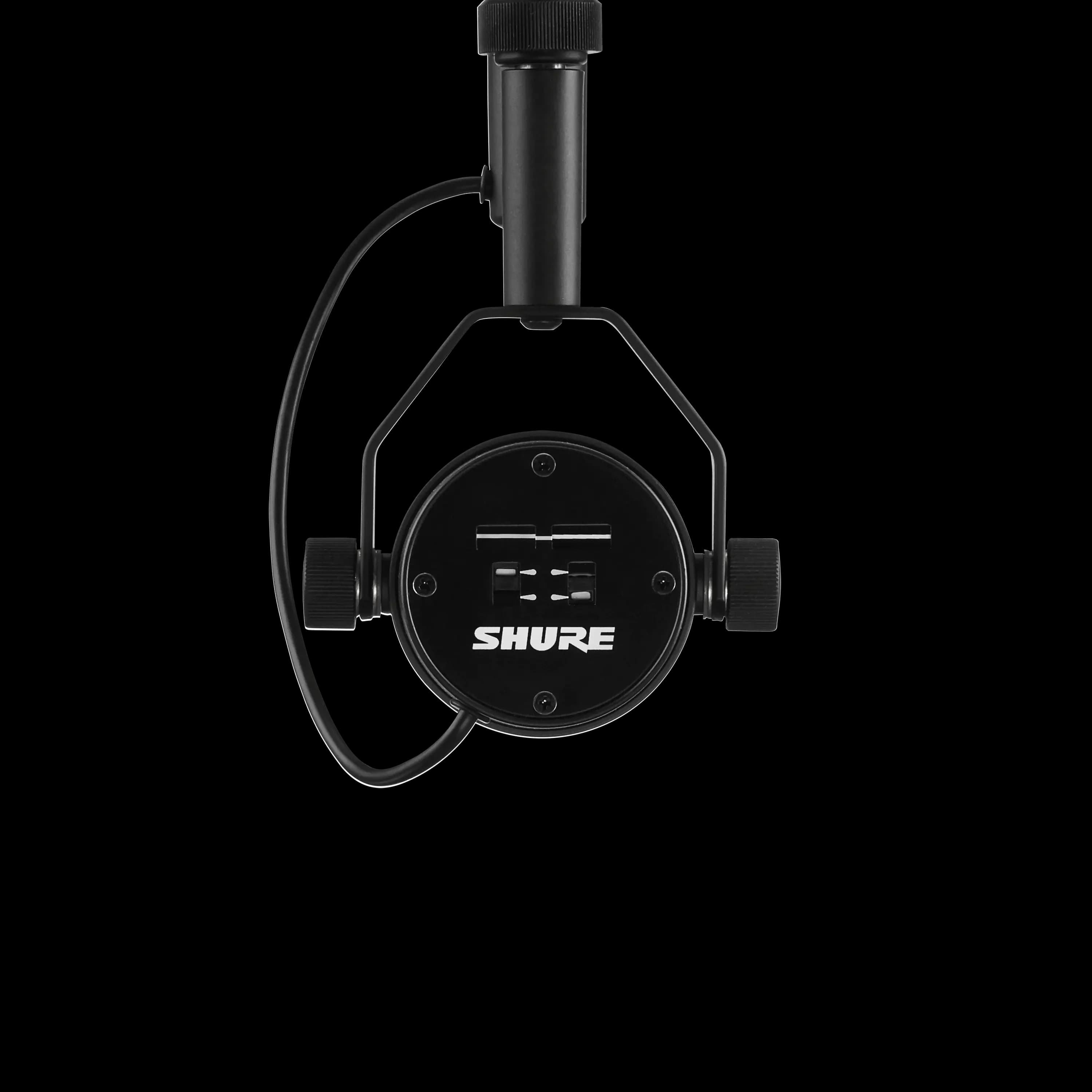
When preparing a proposal, the first thing we ask isn’t the brand or model—it’s who will be using the microphone, where, and how. A presenter moving around the stage, an instructor sitting at a desk, and a moderator who wants to keep their hands free all require different types of microphones. Once this single question is clarified, the list of options naturally narrows.
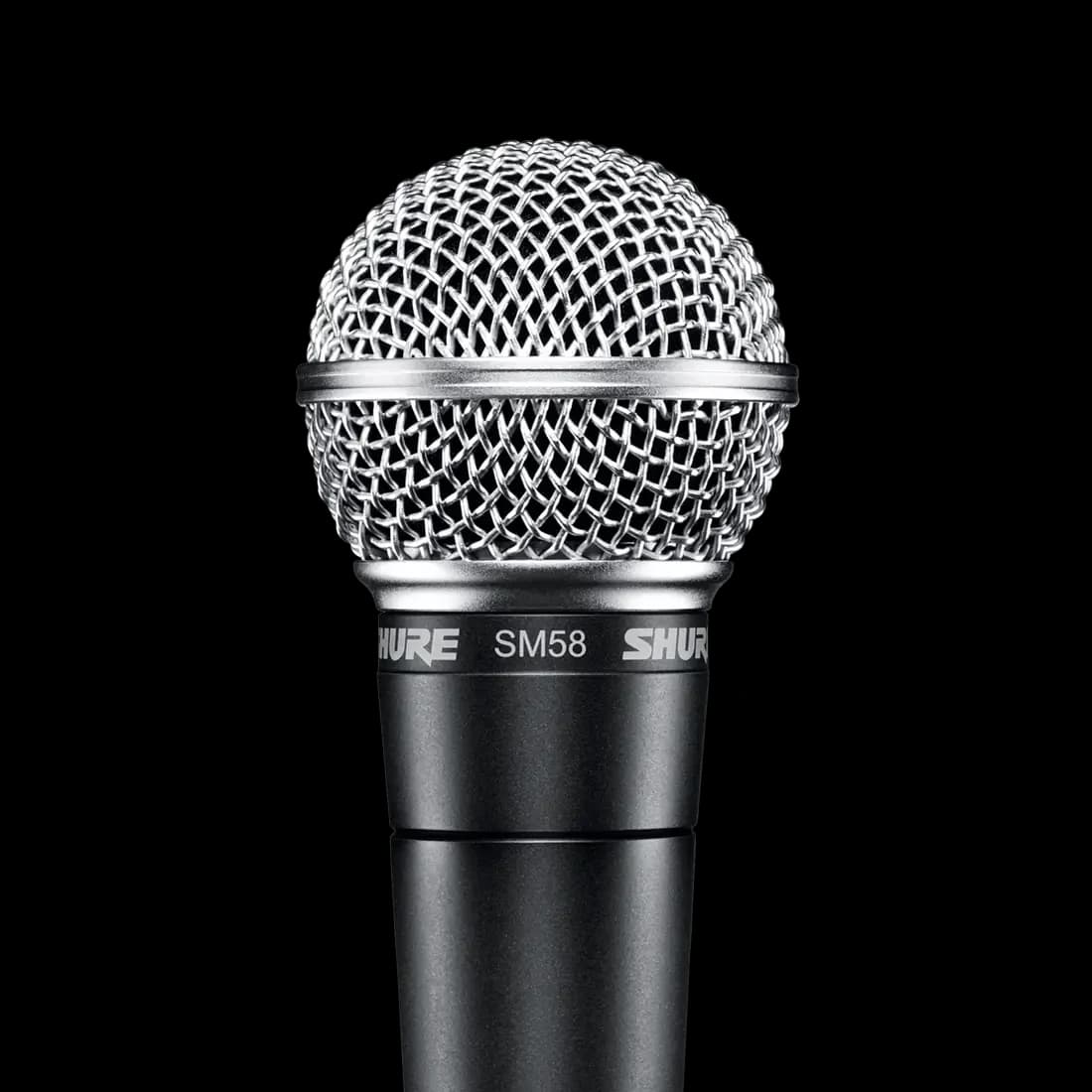
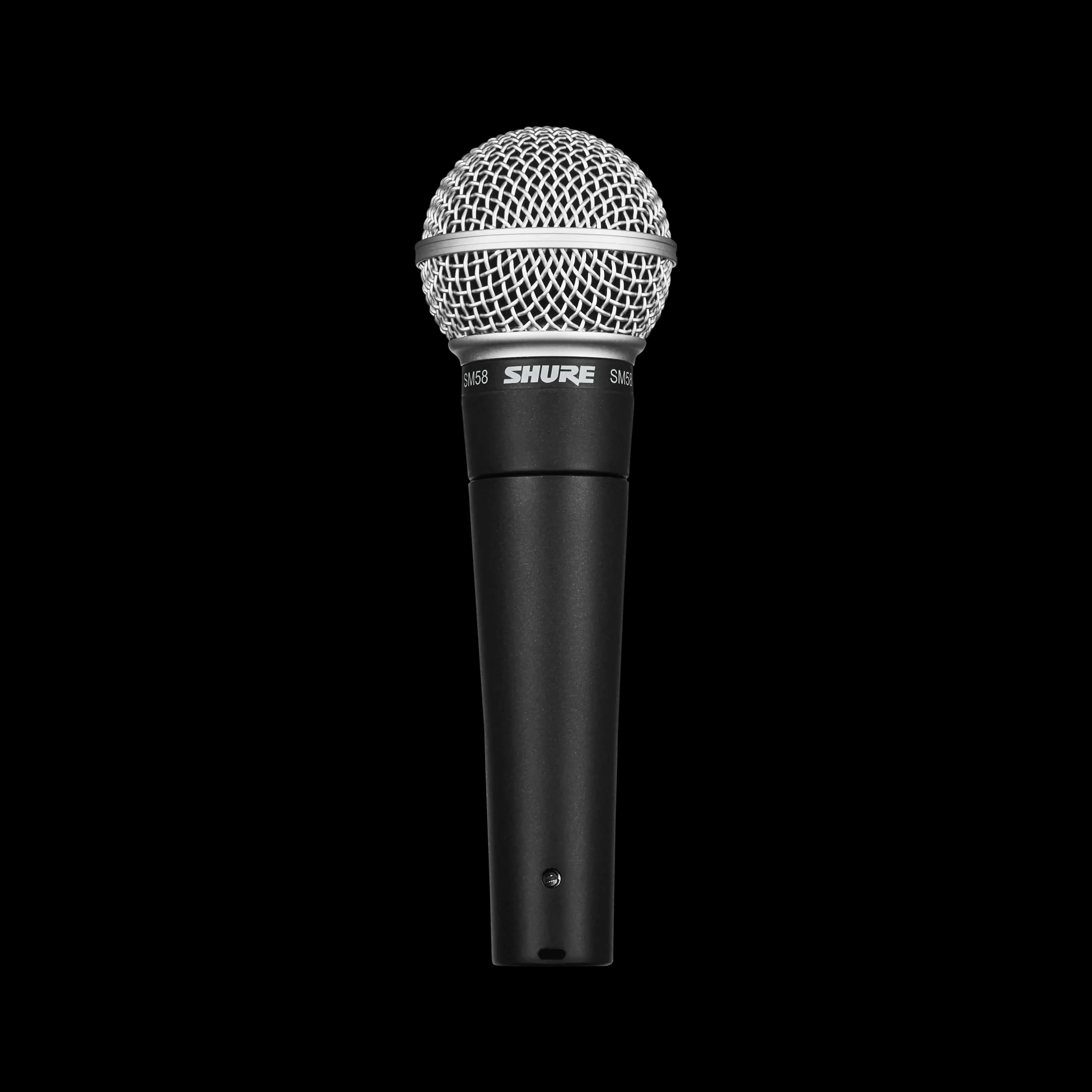
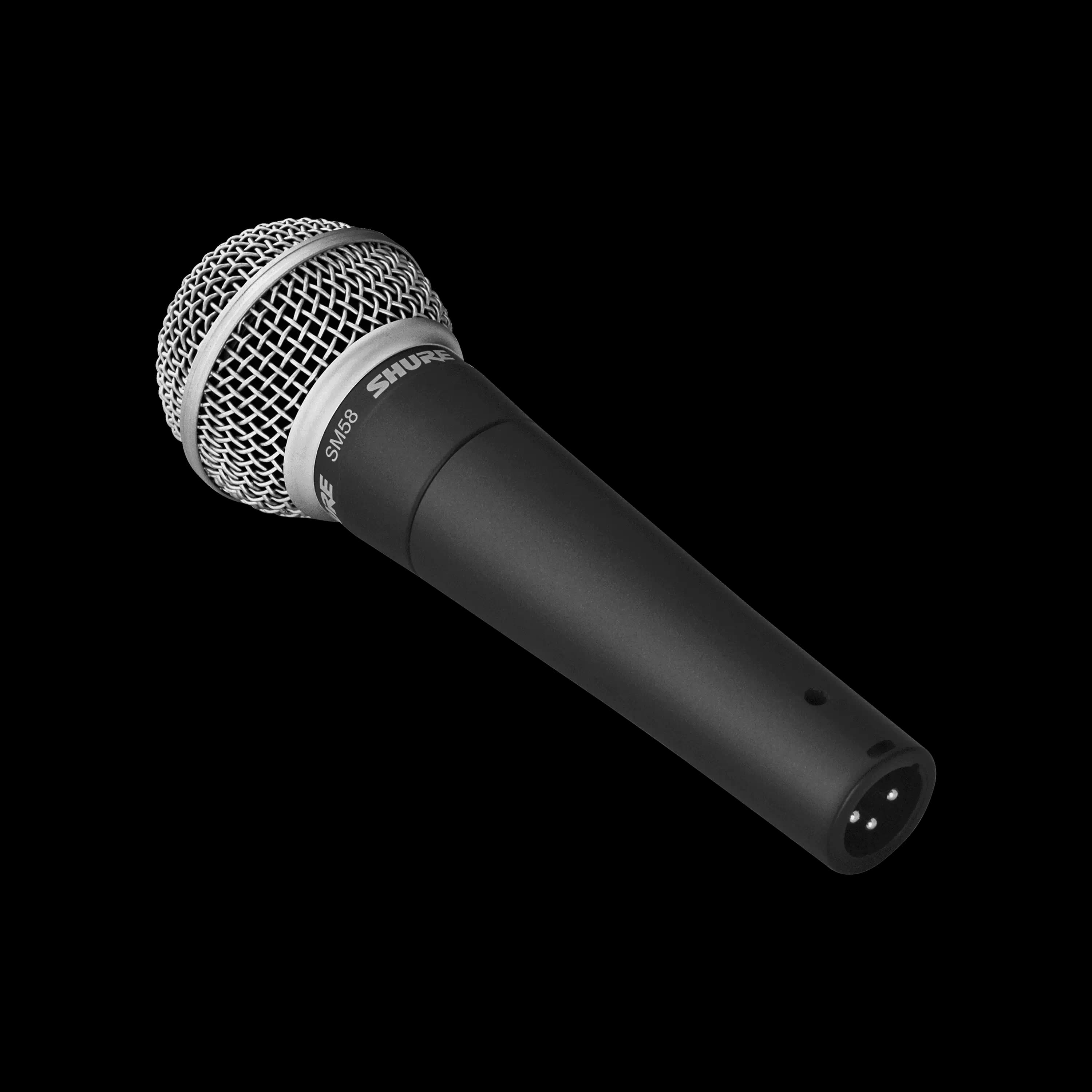
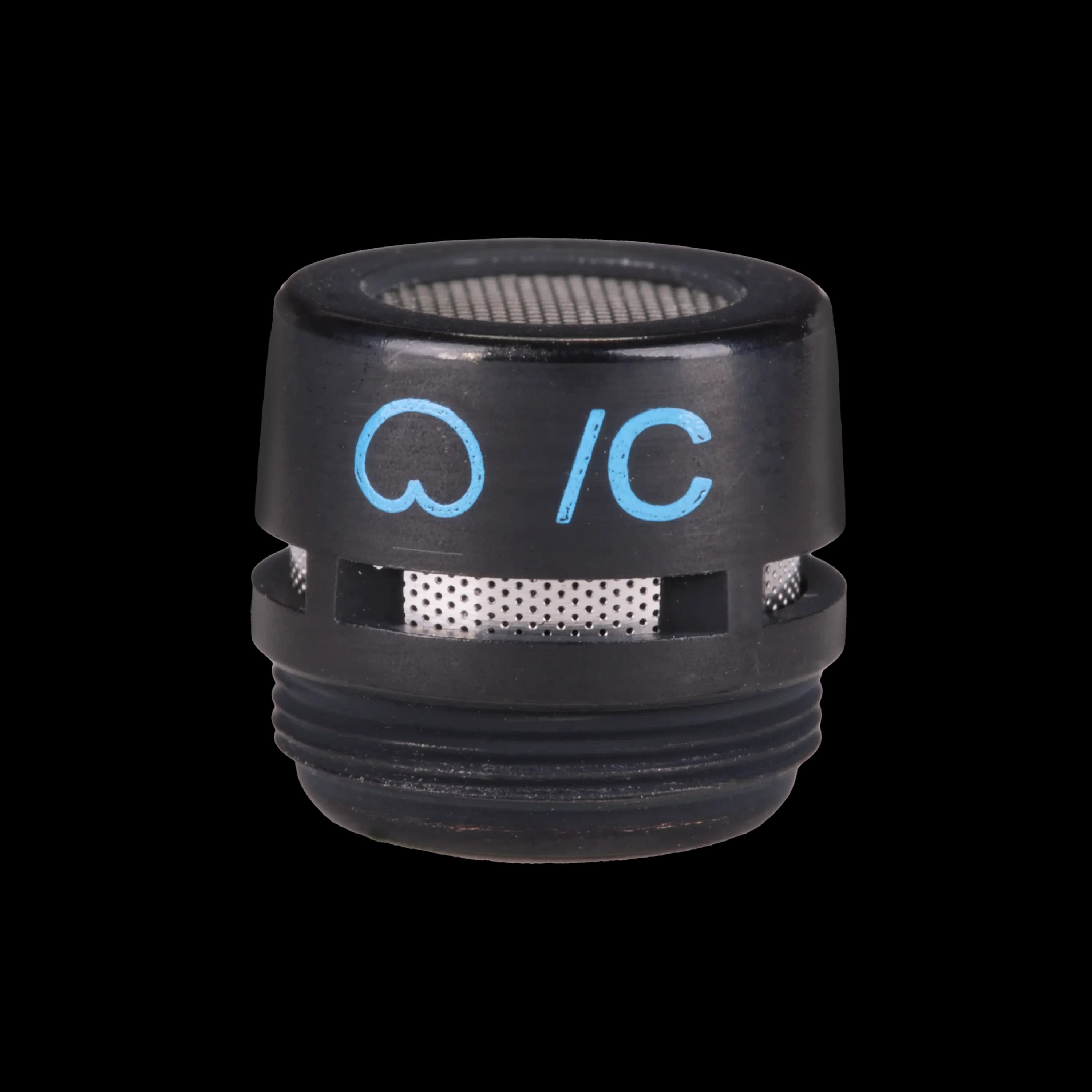
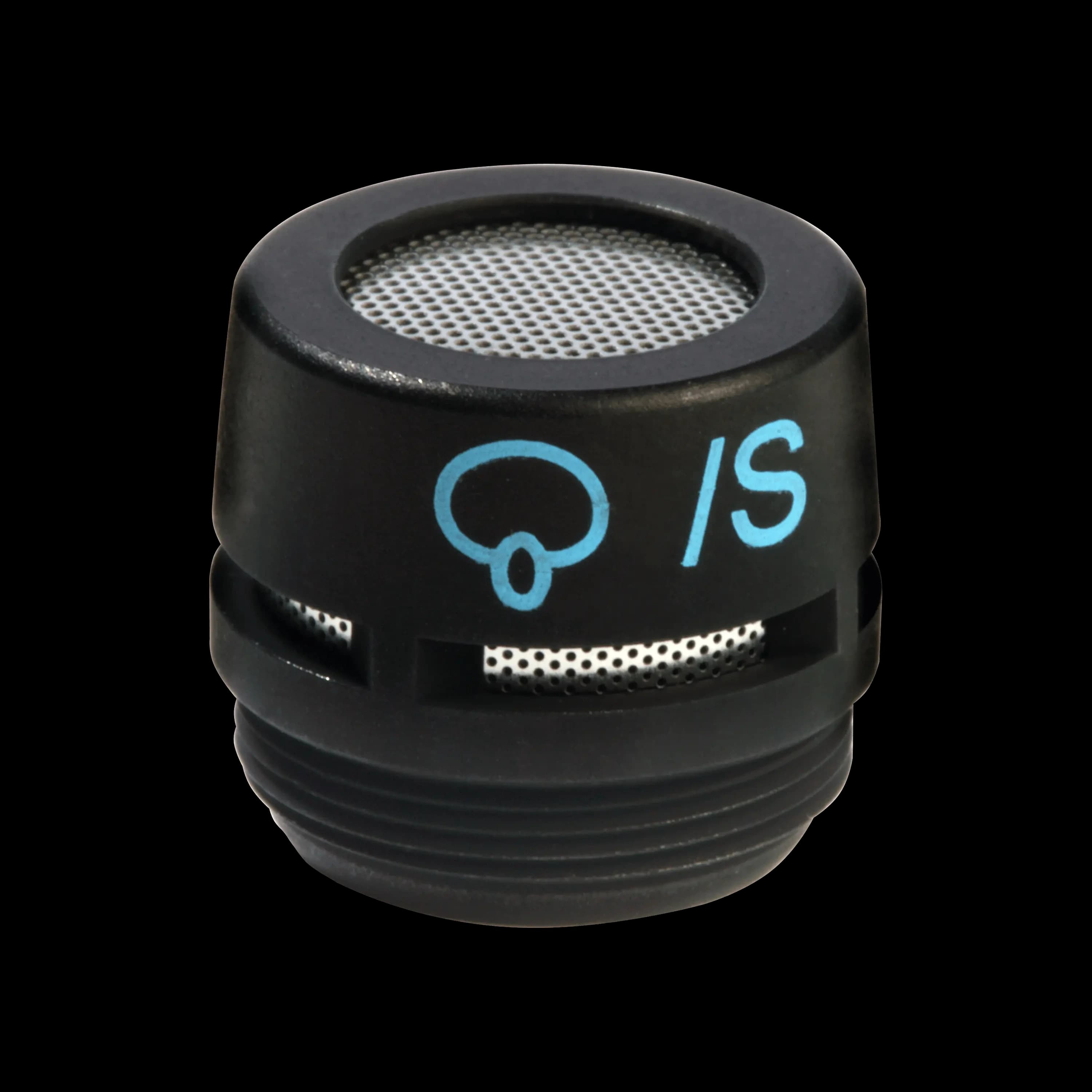
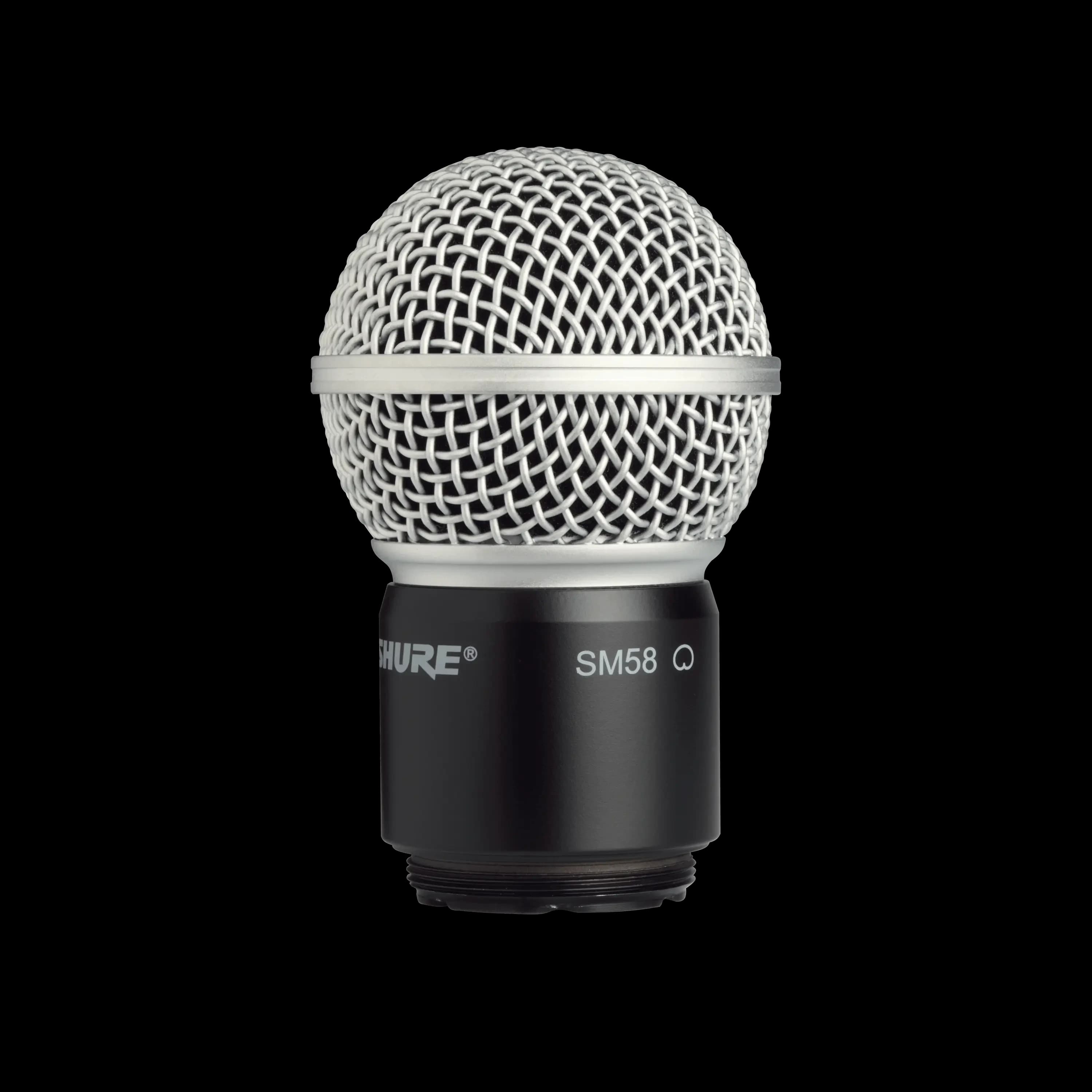
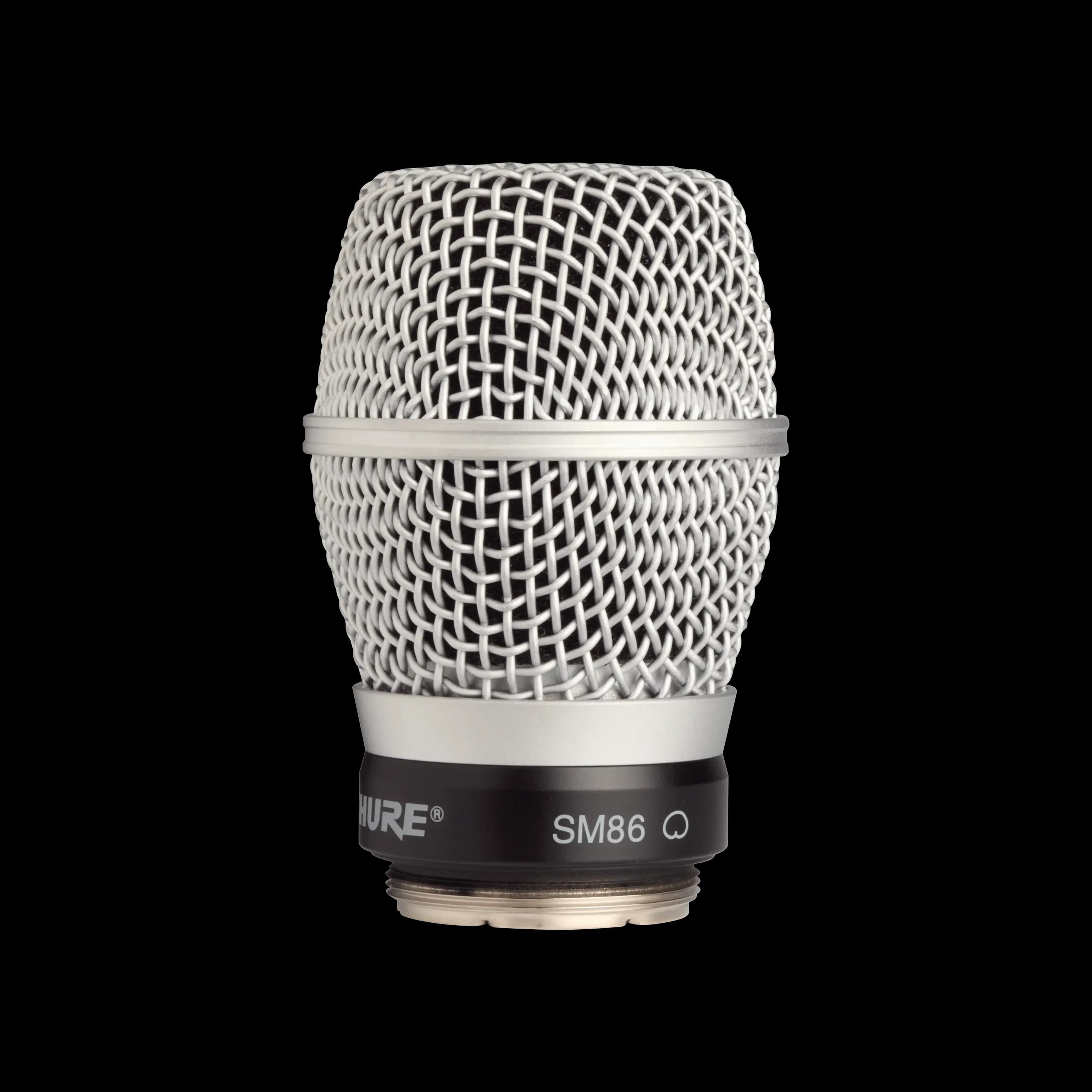
- Handheld Microphone The standard solution for podiums, presentations, and vocals. It’s practical for panels where speakers change frequently, as it can be passed from hand to hand.
- Lavalier microphone: It leaves the hands free and is less visible to the camera. The audio level drops slightly when the speaker turns their head.
- Headset microphone: Eliminates the drop in volume. Preferred for training, fitness, and long-duration presentations.
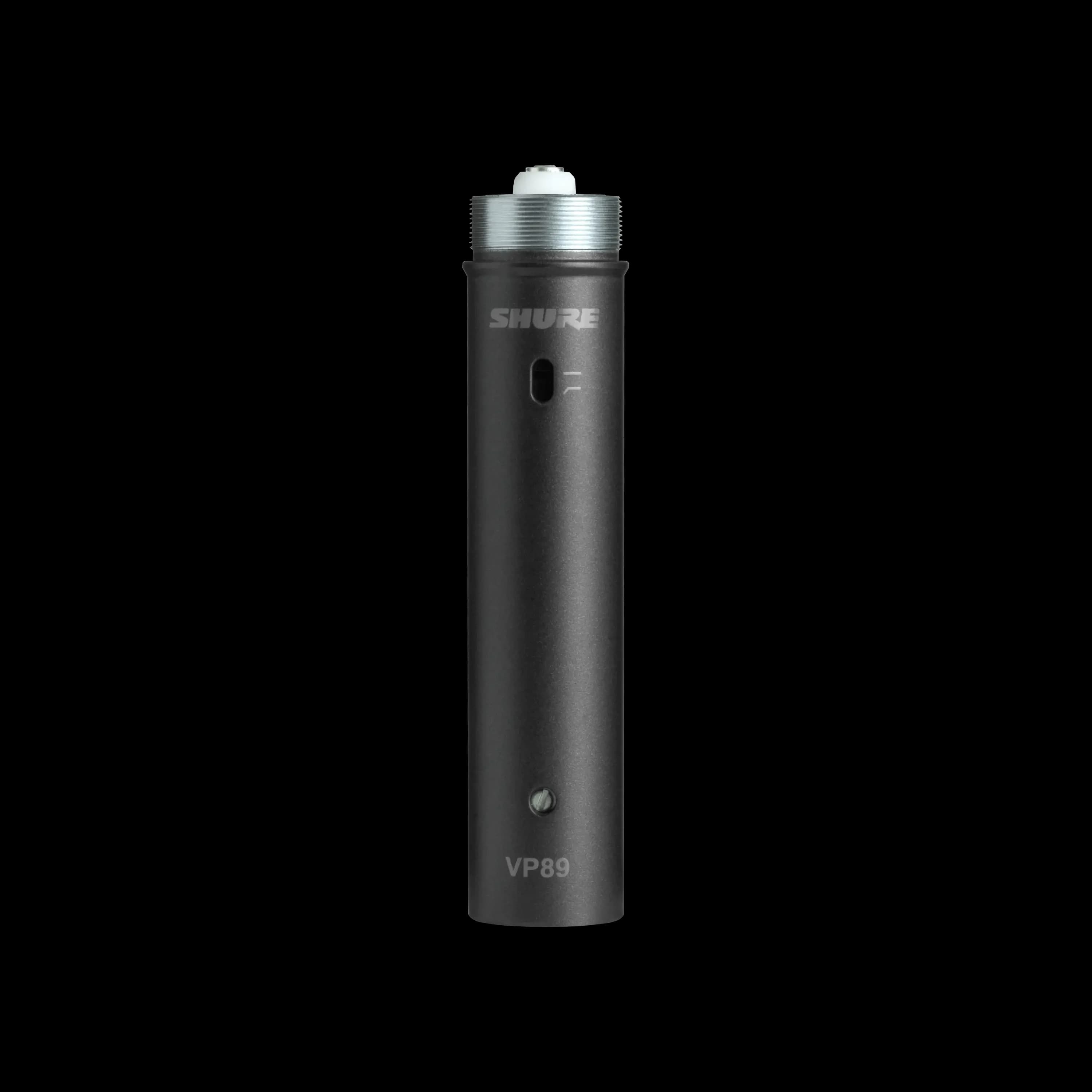
- Instrument systems: Capsules that clip onto instruments or guitar connections eliminate cable clutter on stage.
How Many People Will Be Speaking at the Same Time?
The second key factor is the number of channels. A single-channel system is sufficient for a room with a single speaker; for panels where both the moderator and the speaker use microphones simultaneously, dual-channel systems work well with a single receiver and take up less space in the cabinet. If you plan to use different types together, combination sets that pair a handheld microphone with a lavalier microphone on a single receiver are usually the most economical solution.
If you already have a working system, you don’t need to purchase a completely new set: you can expand your existing setup by adding individual receivers or transmitters from the same series. During the quotation phase, we’ll ask about your current equipment and verify compatibility in advance.
Frequency Planning Is Essential When Using Multiple Microphones
The most common issue we encounter is when microphones are purchased independently of one another. If the frequencies of wireless systems operating in the same environment aren’t planned together, static and dropouts are inevitable—and this problem usually surfaces not on installation day, but during the first major event. There is a limit to how many systems can operate seamlessly on the same band, and this limit varies depending on the venue’s location.
We handle this planning during the proposal phase; all we need to know is how many microphones will be active at the same time. If you’d like to read more about this topic in detail, our sound system planning guide explains this step with examples.
Installation, Commissioning, and Aftercare
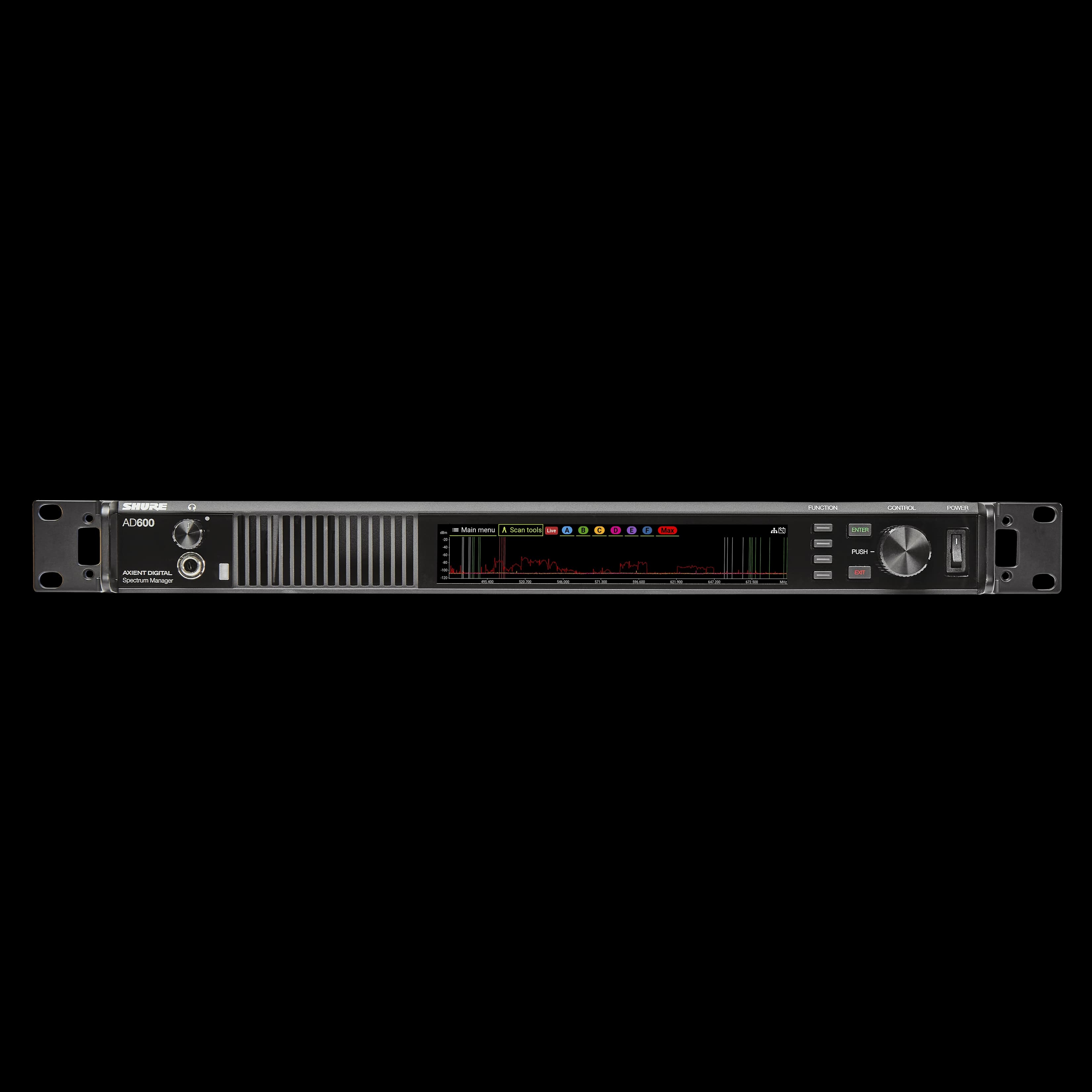
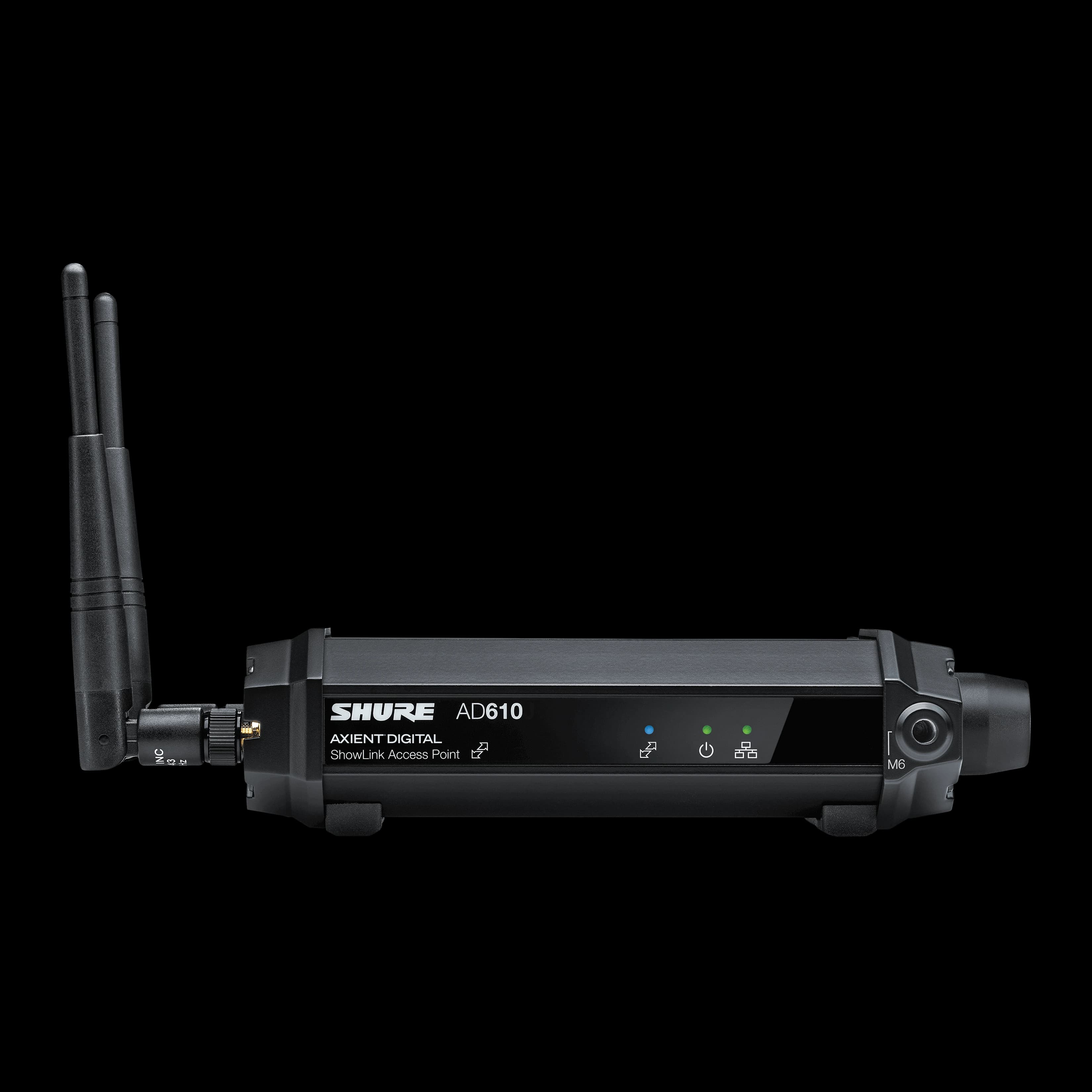
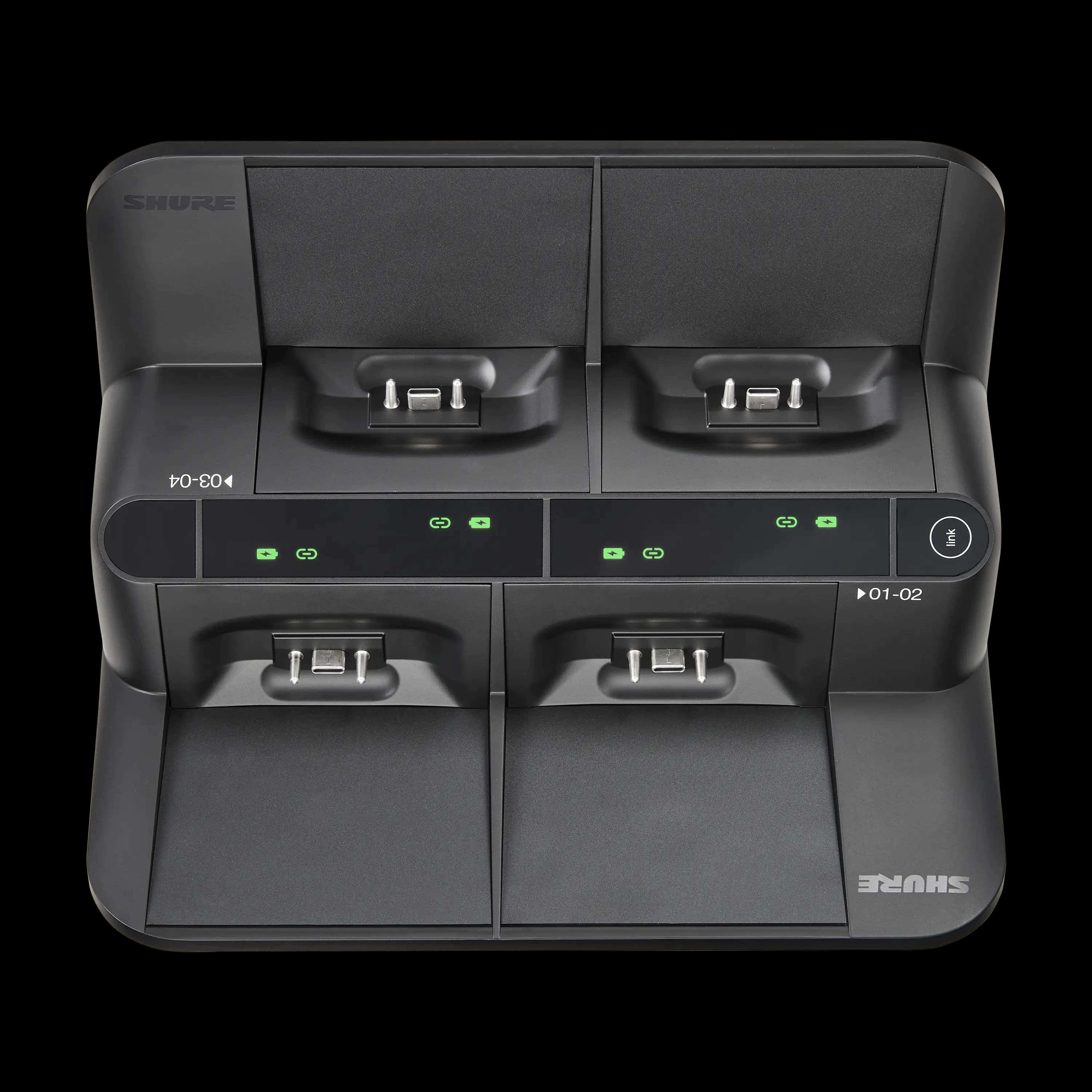
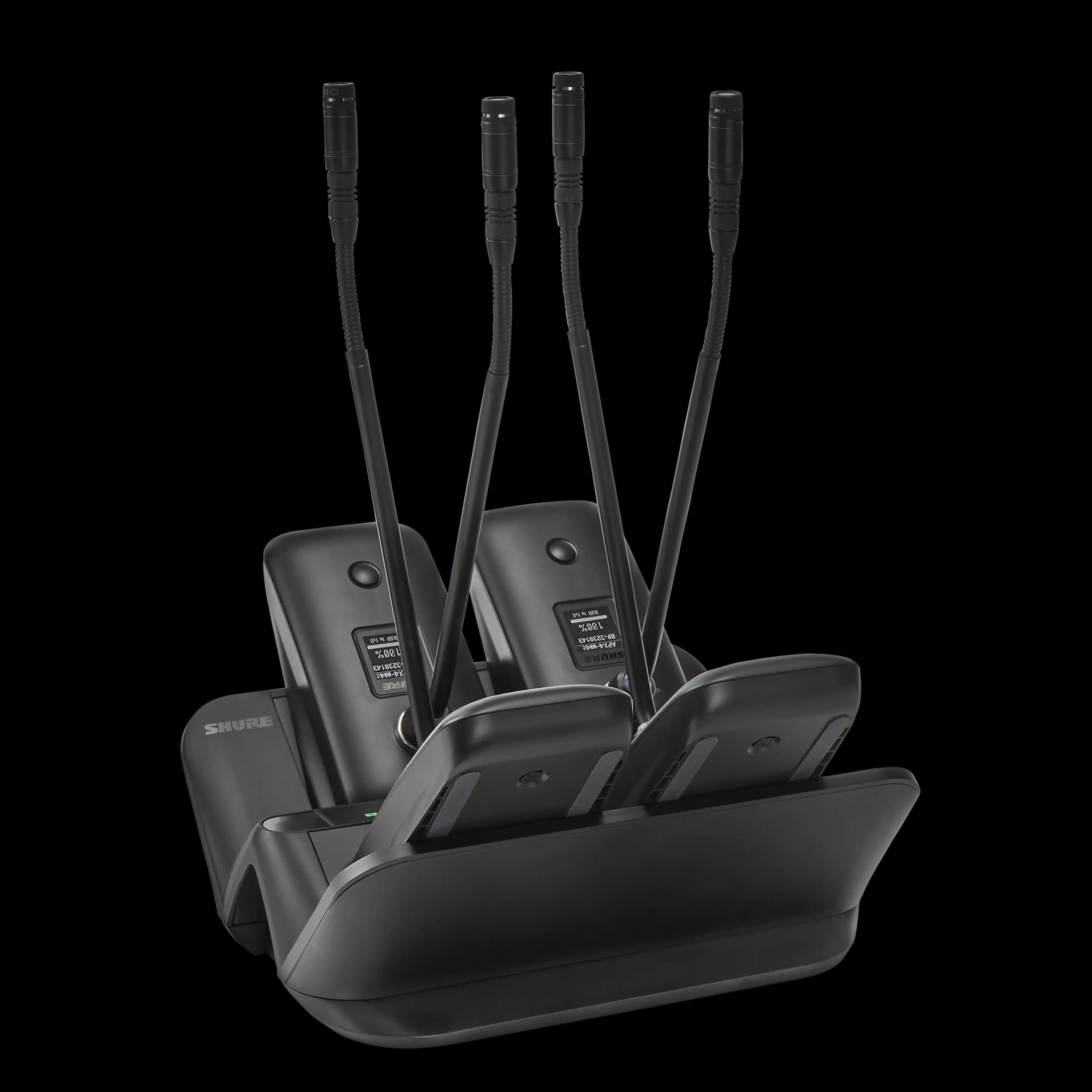
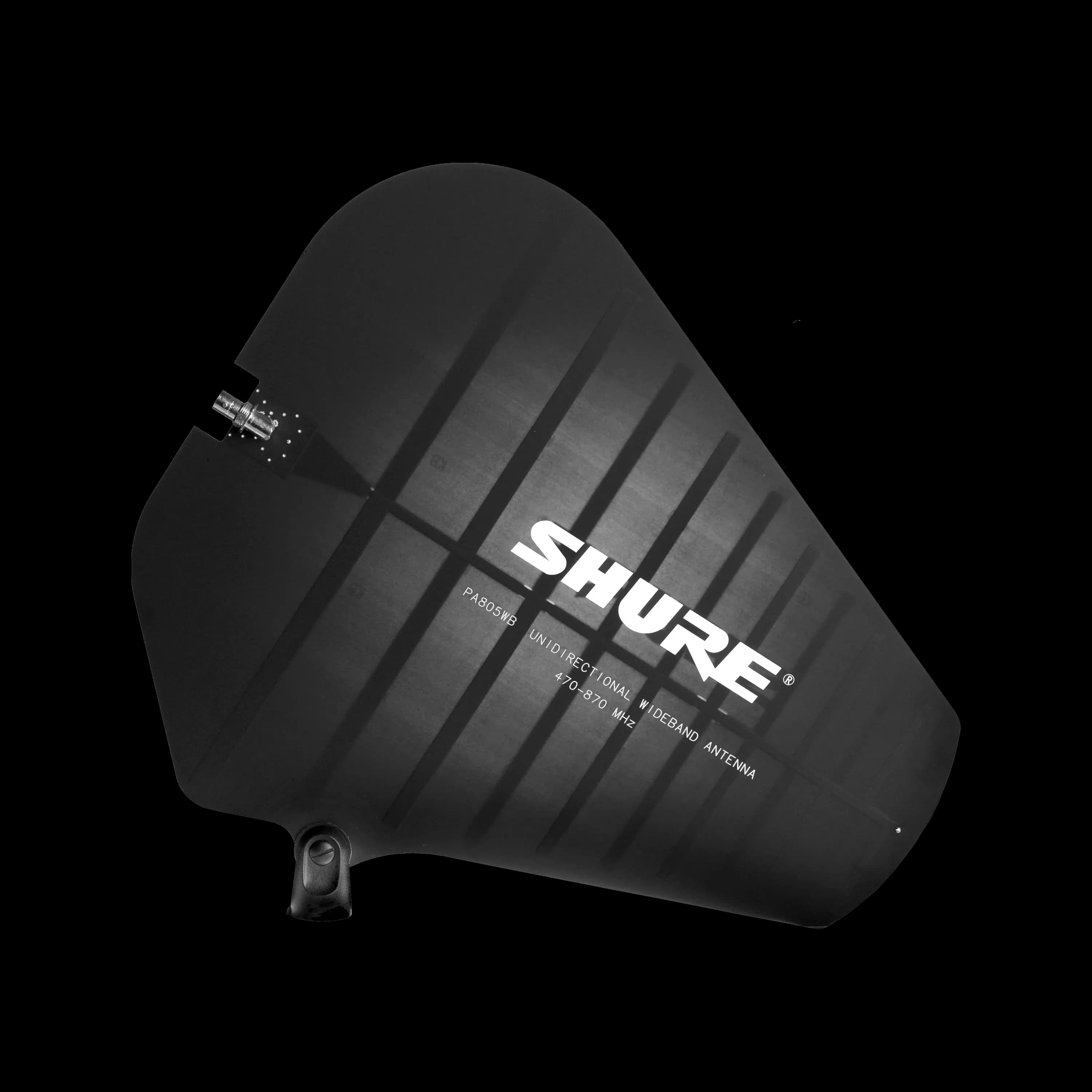
We don’t just deliver the product in its box and walk away. Antenna placement, mounting the receiver in the cabinet, frequency scanning, and level adjustments are all included in the installation scope; we provide a brief on-site handover to the team that will be using the system. In most projects, microphones are not used on their own but are integrated with meeting and conference systems or professional audio and video solutions; planning the entire room from a single source simplifies both costs and responsibilities.
Wireless Microphone Prices and the Quotation Process
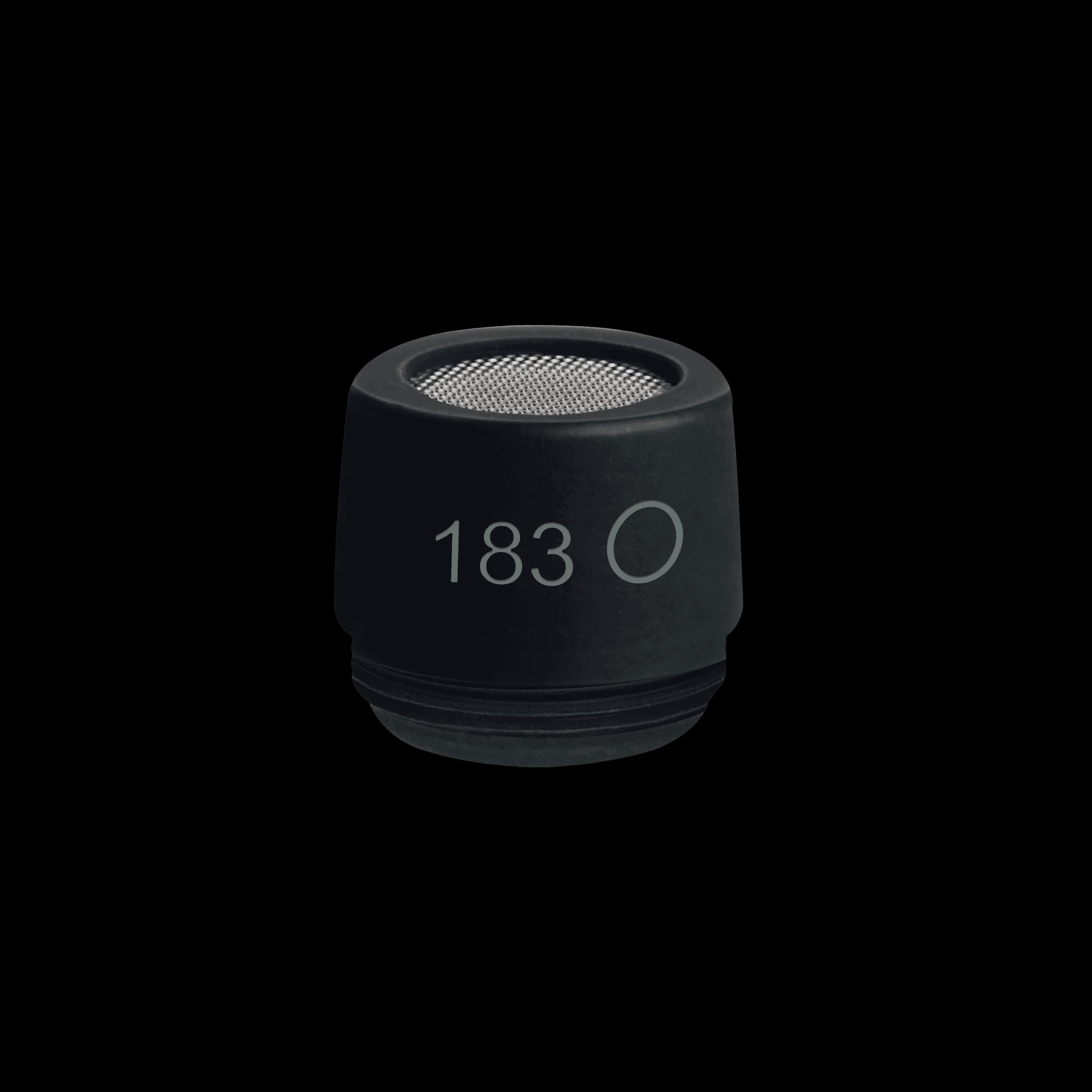
Three factors determine the price: the number of channels, the capsule type, and whether the receiver is rack-mounted or not. To provide you with a comparable quote, simply let us know how many microphones will be used simultaneously, the usage type (handheld / lavalier / headset / instrument), and the size of the venue. We’ll prepare a list of options tailored to your budget and get back to you—you can reach us via our contact page.