
It’s Not Brightness That Matters Indoors, but Proximity
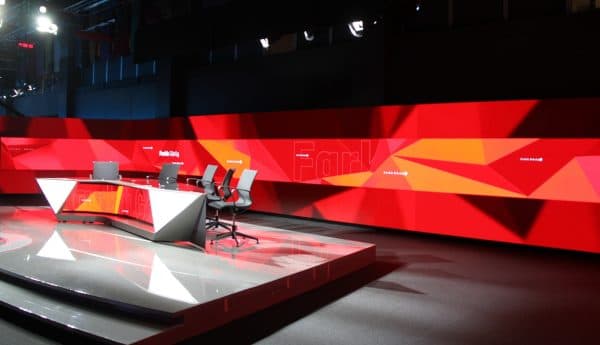
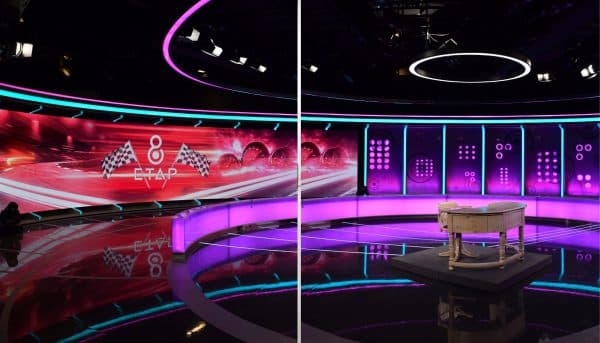
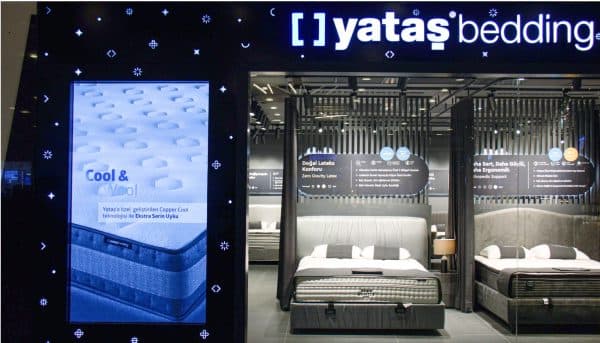
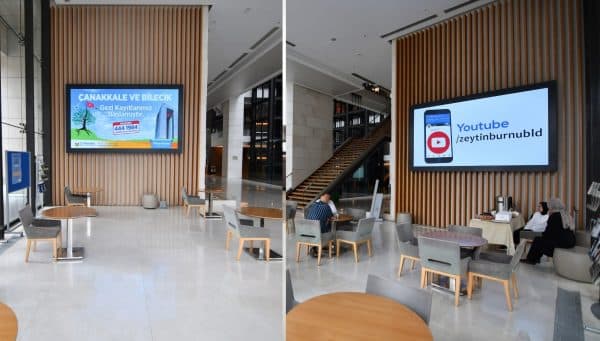
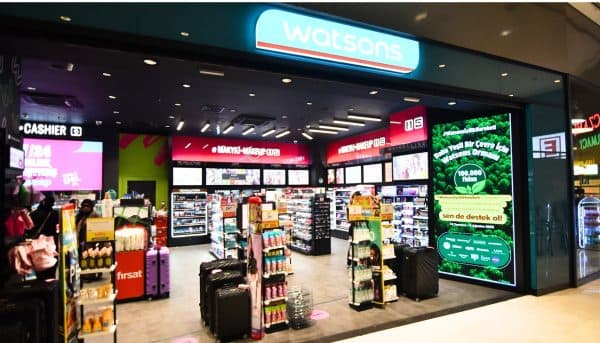
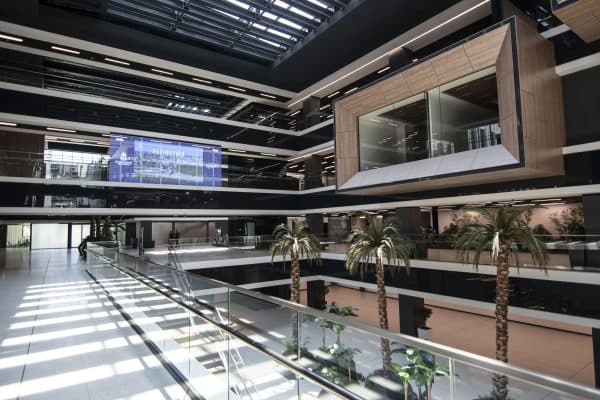
In indoor installations, viewers stand close to the screen: a few meters away in a lobby, sometimes just an arm’s length inside a store. At this distance, what the eye perceives isn’t brightness, but how densely the pixels are packed. A screen that works fine outdoors may appear pixelated indoors with the same image. That’s why the first thing we need to discuss in indoor projects is the closest point from which the viewer will be looking at the screen.
Viewing Distance Determines Pixel Pitch
There’s a simple rule that works in practice: the closer the viewer is to the screen, the smaller the pixel pitch should be. A welcome screen viewed from an arm’s length away doesn’t require the same pitch as a conference room screen viewed from ten meters away. A smaller pitch provides a sharper image but rapidly increases costs; a larger pitch is more economical but results in visible pixel separation when viewed up close. During the planning phase, we first measure the viewing distance and then determine the pitch—so you don’t pay for sharpness you won’t be able to see.
Module Seam Alignment, Color Matching, and Service Access
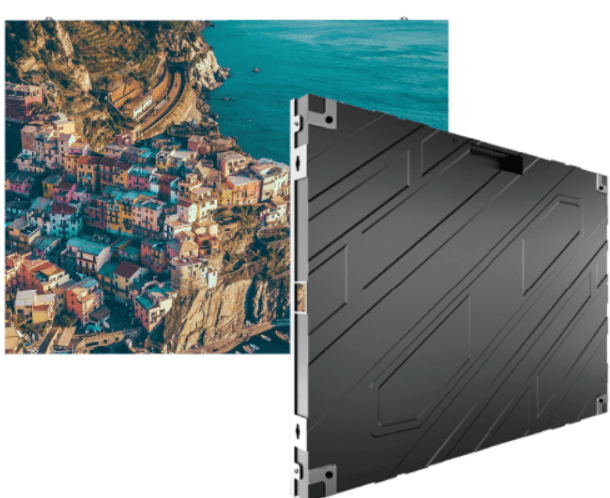
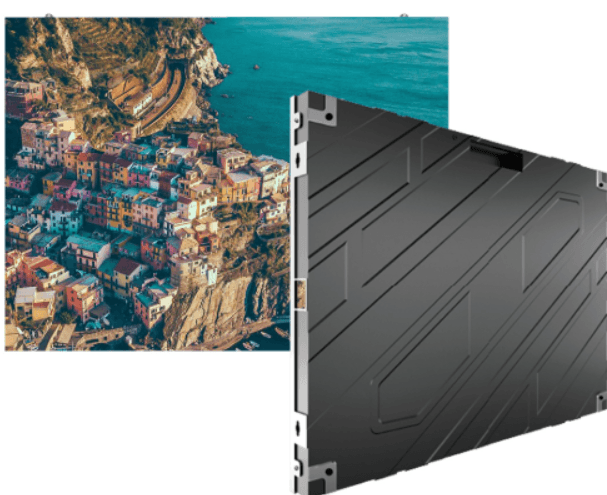
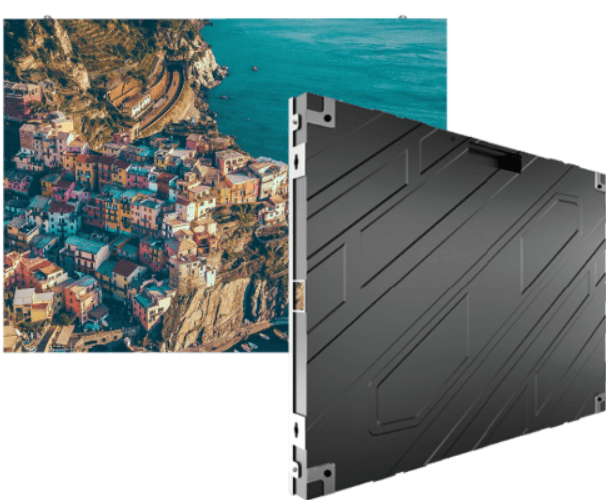
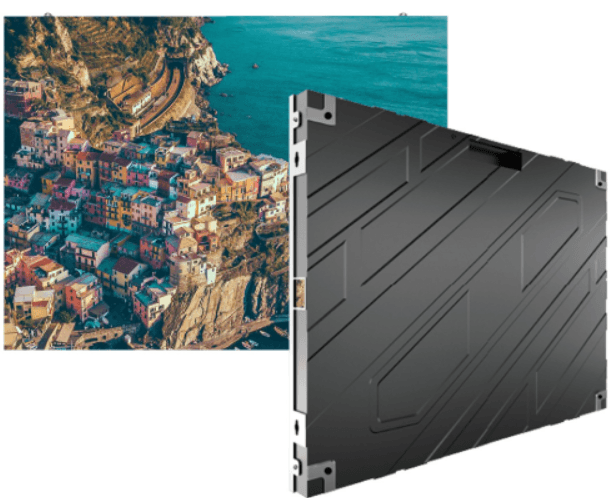
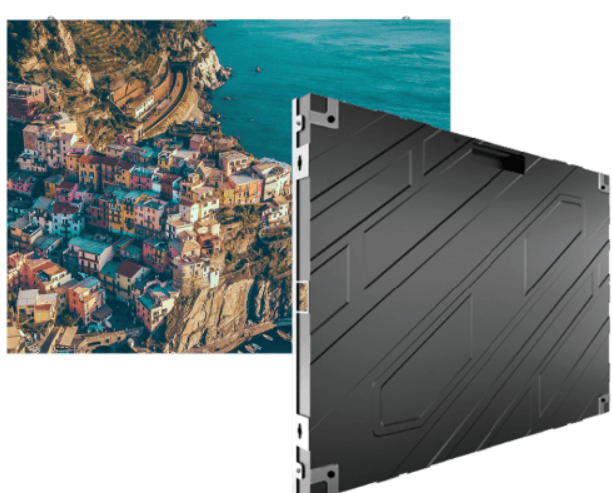
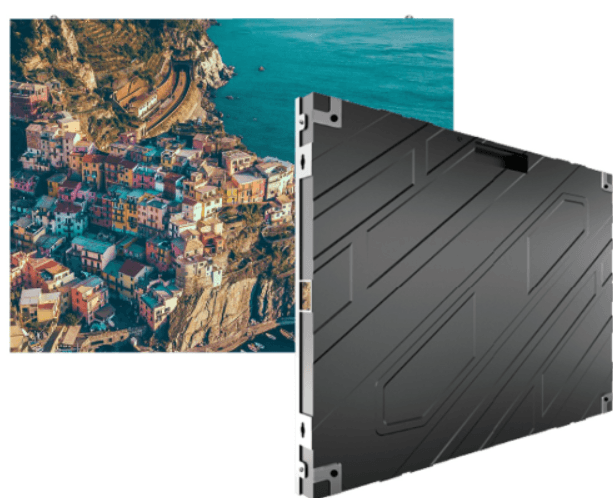
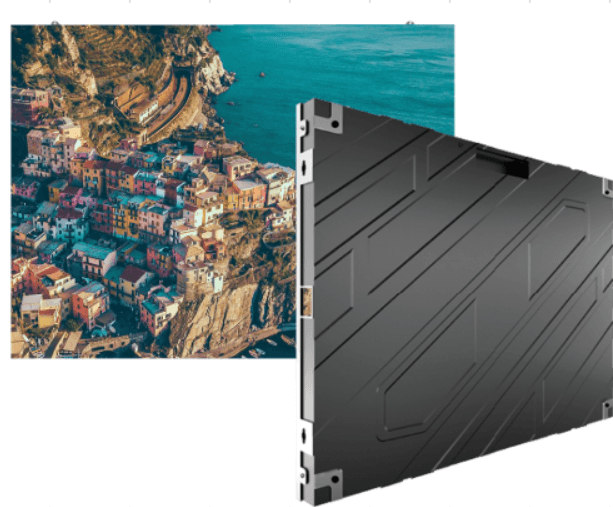
The difference in quality for indoor screens becomes apparent in three areas. First are the module seams: on a well-installed screen, the seams are invisible; if misaligned, they appear like a grid in bright scenes. Second is color consistency; if there’s a tonal difference between modules, it’s immediately noticeable on a solid white image, which is why calibration is performed after installation. Third is service access: in wall-mounted installations, the modules must be accessible from the front; otherwise, the entire screen must be dismantled if a single module fails. All three of these factors relate to installation quality, not the product itself.
Indoor LED Screen or Video Wall?
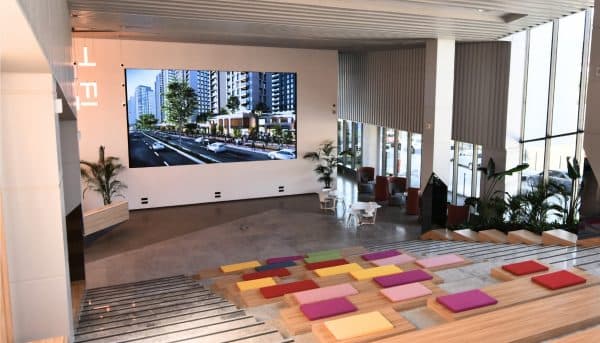
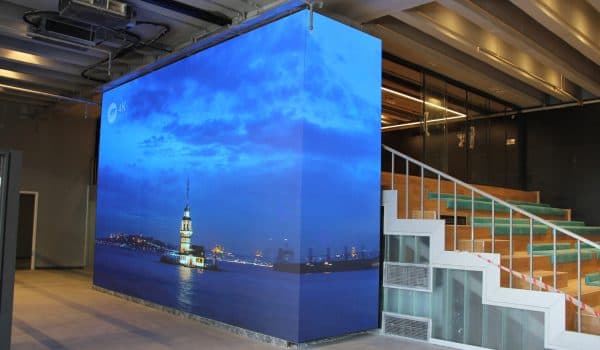
Both alternatives can be considered for the same need. A video wall is assembled by arranging pre-made panels side by side; it installs faster and is generally more economical for small-scale projects, but a thin seam remains between the panels. With an LED screen, that seam is completely absent, and the screen can be shaped to any desired size; however, the installation is more complex. If a seamless, single surface is desired, LED is the better choice; if budget and speed are priorities, a video wall takes the lead. We make the decision together; our video wall systems are a good starting point for comparison.
Installation, Commissioning, and Technical Service
The support structure, electrical infrastructure, and location of the control unit are finalized during the site survey; after installation, color and brightness calibration is performed, and the screen is delivered in working condition. We provide a brief handover to the person who will manage the broadcast. In the event of a malfunction, the modular design allows for the replacement of a single module—our technical support service handles this process. For a comprehensive overview, please review our LED screen solutions, and for selection criteria, consult our LED screen selection guide.
Indoor LED Screen Prices and Quotation Process
The price is determined by the surface area, pixel pitch, and the difficulty of installation; as the pixel pitch decreases, the cost per square meter increases significantly. Please share the installation location, approximate screen dimensions, and the viewer’s closest distance to the screen; we’ll provide side-by-side pricing for a few different pixel pitches so we can determine together whether the cost difference is worthwhile for your project. You can reach us via our Contact page.